Blog

  • Crunchy Treats: The Joy of Cat Biscuits

    Crunchy Treats: The Joy of Cat Biscuits

    Crunchy treats for cats are not only a delicious snack for your feline friend, but they also offer a range of benefits. One of the main advantages of crunchy treats is their impact on dental health. The act of chewing on these treats helps to remove plaque and tartar buildup, promoting healthier teeth and gums. Additionally, the texture of crunchy treats provides mental stimulation for cats, keeping them engaged and entertained.

    When choosing the right type of crunchy treat for your cat, it’s important to consider their specific needs. Some cats may require dental treats that are specifically designed to promote oral health, while others may benefit from hairball control treats that help prevent the formation of hairballs. By understanding your cat’s individual needs, you can select the most appropriate crunchy treat to support their overall well-being.

    Key Takeaways

    • Crunchy treats for cats have many benefits, including promoting dental health, providing mental stimulation, and serving as a reward during training.
    • When choosing a type of crunchy cat biscuit, consider your cat’s age, dietary needs, and preferences.
    • Homemade cat biscuits can be a healthier and more cost-effective option than store-bought ones, but it’s important to ensure they contain all necessary nutrients.
    • To make homemade crunchy treats, mix together ingredients like flour, protein, and flavorings, then bake in the oven.
    • Nutritious ingredients to include in your cat biscuit recipe include chicken, fish, pumpkin, and catnip.
    • Common mistakes to avoid when making crunchy treats include using too much salt or sugar, not measuring ingredients accurately, and overbaking.
    • It’s recommended to feed your cat crunchy treats in moderation, no more than a few times a week.
    • When using crunchy treats for training, start with small pieces and gradually increase the difficulty of the task.
    • While crunchy treats can help with dental health, they should not be relied upon as the sole method of maintaining your cat’s oral hygiene.
    • Watching your cat enjoy crunchy treats can be a rewarding experience for both you and your furry friend.

    Types of Crunchy Cat Biscuits: Choosing the Right One for Your Feline

    There are various types of crunchy cat biscuits available on the market, each with its own unique benefits. Dental treats are specifically formulated to promote oral health by reducing plaque and tartar buildup. These treats often have a textured surface that helps to scrub the teeth as your cat chews on them. Hairball control treats, on the other hand, contain ingredients that aid in digestion and reduce the likelihood of hairballs forming.

    When choosing the right type of treat for your cat, it’s important to consider their specific needs. If your cat has dental issues or is prone to dental problems, dental treats may be the best option. On the other hand, if your cat frequently suffers from hairballs, hairball control treats can help alleviate this issue. It’s always a good idea to consult with your veterinarian to determine which type of treat is most suitable for your cat’s individual needs.

    Homemade vs Store-Bought Cat Biscuits: Which is Better?

    When it comes to crunchy cat biscuits, you have the option of either buying them from a store or making them at home. Both options have their pros and cons. Store-bought treats are convenient and readily available, but they may contain additives, preservatives, and low-quality ingredients. On the other hand, homemade treats allow you to have full control over the ingredients and ensure that your cat is getting a nutritious snack.

    Homemade treats can be a better option for some cat owners, especially those who are concerned about the quality of ingredients in store-bought treats. By making your own treats, you can choose high-quality ingredients that are safe and healthy for your cat. Additionally, homemade treats can be customized to meet your cat’s specific dietary needs or preferences. However, it’s important to note that homemade treats require time and effort to prepare, so they may not be suitable for everyone.

    How to Make Homemade Crunchy Treats: A Step-by-Step Guide

    Ingredients Quantity
    Peanut butter 1 cup
    Honey 1/2 cup
    Old-fashioned oats 2 cups
    Rice cereal 1 cup
    Vanilla extract 1 tsp
    Salt 1/4 tsp
    Chocolate chips 1/2 cup
    Steps
    Mix peanut butter and honey in a large bowl
    Add oats, rice cereal, vanilla extract, and salt to the bowl and mix well
    Stir in chocolate chips
    Press mixture into a greased 9×13 inch pan
    Refrigerate for at least 1 hour before cutting into squares
    Nutrition Facts Amount per serving
    Calories 220
    Total Fat 10g
    Saturated Fat 2g
    Cholesterol 0mg
    Sodium 90mg
    Total Carbohydrate 29g
    Dietary Fiber 3g
    Total Sugars 16g
    Protein 6g

    Making homemade crunchy treats for your cat is a rewarding and fun activity. Here is a step-by-step guide to help you get started:

    1. Gather the ingredients: You will need a combination of dry ingredients such as flour or oats, wet ingredients such as meat or vegetable broth, and optional flavorings such as tuna or catnip.

    2. Preheat the oven: Preheat your oven to the appropriate temperature as specified in the recipe.

    3. Mix the dry ingredients: In a mixing bowl, combine the dry ingredients together.

    4. Add the wet ingredients: Slowly add the wet ingredients to the dry mixture while stirring continuously until a dough forms.

    5. Roll out the dough: On a lightly floured surface, roll out the dough to your desired thickness.

    6. Cut out shapes: Use cookie cutters or a knife to cut out shapes from the dough.

    7. Bake in the oven: Place the treats on a baking sheet lined with parchment paper and bake them in the preheated oven for the specified amount of time.

    8. Cool and store: Allow the treats to cool completely before storing them in an airtight container.

    Nutritious Ingredients to Include in Your Cat Biscuits Recipe

    When making homemade crunchy treats for your cat, it’s important to use nutritious ingredients that are safe and healthy for them. Here are some ingredients that you can include in your cat biscuits recipe:

    1. Protein: Cats are obligate carnivores, so it’s important to include a source of protein in their treats. This can be in the form of cooked chicken, turkey, or fish.

    2. Whole grains: Whole grains such as oats or brown rice can provide fiber and other essential nutrients for your cat.

    3. Vegetables: Some cats enjoy the taste of vegetables, so you can include small amounts of cooked and pureed vegetables such as carrots or peas in their treats.

    4. Catnip: Catnip is a herb that many cats find irresistible. Including a small amount of dried catnip in your treats can make them even more enticing for your feline friend.

    It’s important to note that not all ingredients are safe for cats. Avoid using ingredients such as onions, garlic, chocolate, or raisins, as these can be toxic to cats.

    Common Mistakes to Avoid When Making Crunchy Treats for Cats
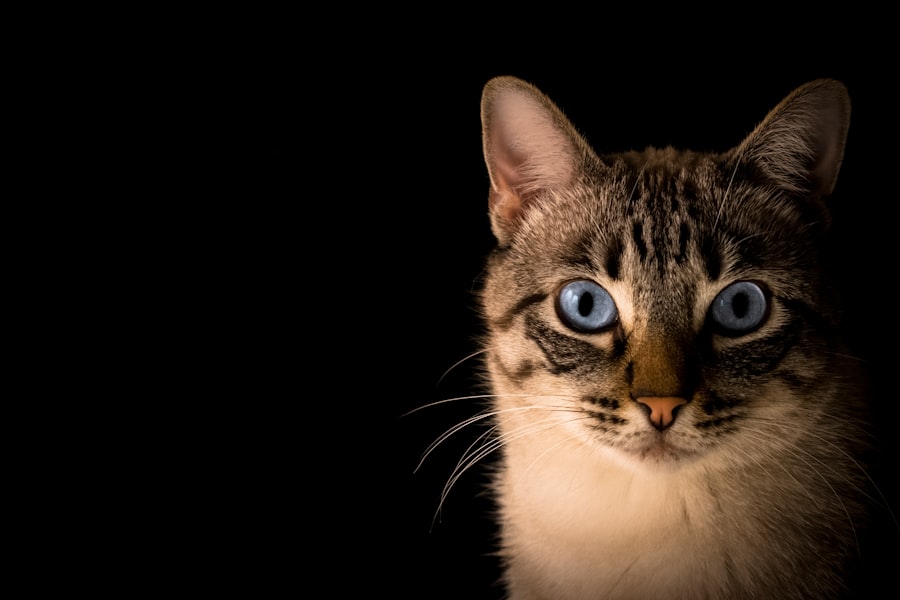
    When making crunchy treats for your cat, there are some common mistakes that you should avoid to ensure that the treats are safe and healthy for your feline friend. Here are some tips to help you avoid these mistakes:

    1. Using toxic ingredients: As mentioned earlier, certain ingredients such as onions, garlic, chocolate, and raisins can be toxic to cats. Always double-check the safety of the ingredients before using them in your treats.

    2. Overfeeding: While treats can be a tasty snack for your cat, it’s important to remember that they should be given in moderation. Overfeeding treats can lead to weight gain and other health issues. Consult with your veterinarian to determine the appropriate amount of treats for your cat.

    3. Not considering dietary restrictions: If your cat has any dietary restrictions or allergies, make sure to choose ingredients that are safe for them. Avoid using ingredients that your cat is allergic to or that may cause digestive issues.

    4. Not storing treats properly: Homemade treats should be stored in an airtight container to maintain their freshness and prevent them from becoming stale. Improper storage can lead to spoilage and potential health risks for your cat.

    By avoiding these common mistakes, you can ensure that the treats you make for your cat are safe, healthy, and enjoyable.

    How Often Should You Feed Your Cat Crunchy Treats?

    While crunchy treats can be a tasty snack for your cat, it’s important to feed them in moderation. Treats should not make up more than 10% of your cat’s daily caloric intake. Feeding too many treats can lead to weight gain and other health issues such as diabetes or digestive problems.

    It’s also important to consider your cat’s overall diet when determining how often to feed them treats. If your cat is already receiving a balanced and nutritious diet, they may not require treats as frequently. On the other hand, if your cat has specific dietary needs or restrictions, you may need to choose treats that are specially formulated to meet those needs.

    Consult with your veterinarian to determine the appropriate frequency and amount of treats for your cat based on their individual needs and dietary requirements.

    Using Crunchy Treats for Training: Tips and Tricks

    Crunchy treats can be a valuable tool when it comes to training your cat. Here are some tips and tricks to help you effectively use treats for training:

    1. Choose small, bite-sized treats: When training your cat, it’s important to use small, bite-sized treats that can be quickly consumed. This allows for more frequent rewards and keeps your cat engaged in the training process.

    2. Use positive reinforcement: When your cat successfully performs the desired behavior, reward them with a treat and praise. Positive reinforcement helps to reinforce the behavior and encourages your cat to repeat it in the future.

    3. Be consistent: Consistency is key when it comes to training. Use the same command or cue each time you want your cat to perform a specific behavior, and reward them with a treat when they do so successfully.

    4. Gradually reduce the frequency of treats: As your cat becomes more proficient in performing the desired behavior, gradually reduce the frequency of treats. This helps to ensure that your cat is not solely reliant on treats for motivation and can perform the behavior without constant rewards.

    By using these tips and tricks, you can effectively use crunchy treats as a training tool and reinforce positive behaviors in your cat.

    Crunchy Treats for Dental Health: Do They Really Work?

    Crunchy treats are often marketed as being beneficial for dental health in cats. But do they really work? The answer is yes, to some extent. The act of chewing on crunchy treats helps to remove plaque and tartar buildup from your cat’s teeth, promoting healthier teeth and gums.

    However, it’s important to note that crunchy treats should not be seen as a substitute for regular dental care. Just like humans, cats require regular dental cleanings and check-ups to maintain optimal oral health. Regular brushing of your cat’s teeth is also recommended to remove plaque and prevent dental issues.

    While crunchy treats can contribute to better dental health, it’s important to incorporate them into a comprehensive dental care routine that includes regular veterinary check-ups and proper oral hygiene practices.

    The Joy of Watching Your Cat Enjoy Crunchy Treats

    Crunchy treats for cats offer a range of benefits, from promoting dental health to providing mental stimulation. By choosing the right type of treat for your cat’s needs and considering homemade options, you can ensure that your feline friend is getting a nutritious and enjoyable snack.

    Making homemade crunchy treats for your cat can be a rewarding experience, allowing you to have full control over the ingredients and customize the treats to meet your cat’s specific dietary needs. By avoiding common mistakes and using nutritious ingredients, you can create treats that are safe, healthy, and delicious.

    Remember to feed treats in moderation and consider your cat’s overall diet when determining how often to give them treats. Treats should be used as a tool for training and positive reinforcement, and should not make up a significant portion of your cat’s daily caloric intake.

    The joy of watching your cat enjoy crunchy treats is unmatched. So why not give it a try? Experiment with different recipes and flavors, and enjoy the satisfaction of knowing that you are providing your cat with a tasty and beneficial snack.

    FAQs

    What are cat biscuits?

    Cat biscuits, also known as cat kibble, are dry, crunchy pellets of cat food that are designed to provide a complete and balanced diet for cats.

    What are the benefits of feeding my cat biscuits?

    Feeding your cat biscuits can help to maintain their dental health, as the crunchy texture can help to remove plaque and tartar from their teeth. Additionally, biscuits are convenient and easy to store, and can be left out for your cat to graze on throughout the day.

    What ingredients are typically found in cat biscuits?

    Cat biscuits are typically made from a combination of meat, grains, and vegetables. The specific ingredients can vary depending on the brand and type of biscuit, but most will contain a source of protein (such as chicken or fish), as well as carbohydrates (such as rice or corn) and other essential nutrients.

    How much should I feed my cat?

    The amount of biscuits you should feed your cat will depend on their age, weight, and activity level. It’s important to follow the feeding guidelines on the packaging, and to monitor your cat’s weight and adjust their food intake as needed.

    Are there any risks associated with feeding my cat biscuits?

    While cat biscuits are generally considered safe and nutritious, there is a risk of overfeeding if you leave them out for your cat to graze on throughout the day. Additionally, some cats may have difficulty digesting certain ingredients, so it’s important to monitor your cat’s health and consult with a veterinarian if you have any concerns.

  • Convenient Cat Care: The Rise of Cat Pouches

    Convenient Cat Care: The Rise of Cat Pouches

    Cat pouches have become increasingly popular among cat owners in recent years. These convenient and easy-to-use pouches offer a new way to feed and care for our feline friends. Many cat owners are switching to pouches because of their numerous benefits, including health benefits for cats, convenience for owners, and cost-effectiveness.

    Key Takeaways

    • Cat pouches are a new trend in cat care that offer convenience and variety for pet owners.
    • Cat pouches are small packets of wet cat food that are easy to open and serve to your feline friends.
    • Using cat pouches can provide benefits such as portion control, hydration, and variety in your cat’s diet.
    • There are different types of cat pouches available in the market, including single-serve and multi-pack options.
    • When choosing the best cat pouch for your pet, consider their age, health, and dietary needs.

    What are Cat Pouches and How Do They Work?

    Cat pouches are small, flexible packages that contain wet or dry cat food. They are typically made of a combination of plastic and foil, which helps to keep the food fresh and prevent spoilage. The pouches are easy to open and can be resealed if there is any leftover food.

    Cat pouches work by providing a convenient and mess-free way to feed your cat. The food is pre-portioned in each pouch, making it easy to control the amount of food your cat consumes. This can be especially helpful for cats that need to lose weight or have specific dietary needs.

    Compared to traditional cat food, which often comes in cans or bags, cat pouches offer several advantages. They are more portable and can be easily taken on trips or stored in smaller spaces. Additionally, the individual portions help to reduce waste and ensure that your cat is getting the right amount of food.

    Benefits of Using Cat Pouches for Your Feline Friends

    There are several benefits of using cat pouches for your feline friends. Firstly, cat pouches can provide health benefits for cats. The individual portions help to control portion sizes, which can be beneficial for cats that need to lose weight or maintain a healthy weight. Additionally, many cat pouches are formulated with high-quality ingredients that provide essential nutrients for your cat’s overall health and well-being.

    Secondly, cat pouches offer convenience for cat owners. The individual portions make it easy to feed your cat without the need for measuring or scooping. This can be especially helpful for busy cat owners who may not have the time or energy to prepare meals for their cats. Additionally, the pouches are easy to open and can be resealed if there is any leftover food, reducing waste and mess.

    Lastly, cat pouches can be cost-effective. While they may seem more expensive than traditional cat food at first glance, the individual portions can actually help to save money in the long run. By controlling portion sizes, you can ensure that your cat is not overeating and wasting food. Additionally, many cat pouches are formulated with high-quality ingredients, which can help to improve your cat’s overall health and reduce the need for costly veterinary care.

    Different Types of Cat Pouches Available in the Market

    Type of Cat Pouch Brand Flavor Weight Price
    Wet Cat Food Pouches Purina Chicken & Tuna 3 oz 0.99
    Grain-Free Cat Food Pouches Blue Buffalo Salmon & Potato 2.5 oz 1.49
    Senior Cat Food Pouches Hill’s Science Diet Chicken & Vegetable 2.8 oz 1.29
    Organic Cat Food Pouches Nature’s Variety Beef & Carrots 3 oz 1.99

    There are several different types of cat pouches available in the market, including wet and dry pouches. Wet pouches contain a higher moisture content and are often more palatable for cats. They come in a variety of flavors and textures, allowing you to find the perfect option for your cat’s preferences.

    Dry pouches, on the other hand, have a lower moisture content and are often more convenient for storage and travel. They come in a variety of shapes and sizes, allowing you to choose the best option for your cat’s needs.

    Some popular brands in the market include Royal Canin, Purina, and Hill’s Science Diet. These brands offer a wide range of options for cats of all ages and dietary needs.

    How to Choose the Best Cat Pouch for Your Pet

    When choosing a cat pouch for your pet, there are several factors to consider. Firstly, you should consider your cat’s age and dietary needs. Kittens and senior cats may have different nutritional requirements than adult cats, so it’s important to choose a pouch that is specifically formulated for their age group.

    You should also consider your cat’s preferences. Some cats may prefer wet pouches, while others may prefer dry pouches. It may take some trial and error to find the perfect option for your cat, so be patient and willing to try different brands and flavors.

    Additionally, you should consider the ingredients in the pouch. Look for high-quality ingredients that provide essential nutrients for your cat’s overall health and well-being. Avoid pouches that contain fillers or artificial additives, as these can be harmful to your cat’s health.

    Tips for Feeding Your Cat Using Pouches

    When feeding your cat using pouches, there are a few best practices to keep in mind. Firstly, it’s important to follow the feeding guidelines on the packaging. These guidelines will help you determine the appropriate portion size for your cat based on their age, weight, and activity level.

    It’s also important to monitor your cat’s weight and adjust their portion sizes as needed. If your cat is gaining weight, you may need to reduce their portion sizes. Conversely, if your cat is losing weight or not eating enough, you may need to increase their portion sizes.

    When transitioning your cat to pouches, it’s important to do so gradually. Start by mixing a small amount of the new food with their current food and gradually increase the amount over time. This will help to prevent any digestive upset or refusal to eat.

    How to Store and Dispose of Cat Pouches Safely

    Proper storage of cat pouches is important to ensure that the food remains fresh and safe for your cat to consume. It’s recommended to store unopened pouches in a cool, dry place away from direct sunlight. Once opened, the pouch should be refrigerated and used within a certain timeframe, as indicated on the packaging.

    When disposing of used cat pouches, it’s important to do so safely and responsibly. Empty the contents of the pouch into a trash bag and seal it tightly to prevent any odors or contamination. You can then dispose of the bag in your regular household trash.

    Common Misconceptions About Cat Pouches: Debunked

    There are several common misconceptions about cat pouches that need to be addressed. One misconception is that cat pouches are not as nutritious as traditional cat food. However, many cat pouches are formulated with high-quality ingredients that provide essential nutrients for your cat’s overall health and well-being.

    Another misconception is that cat pouches are more expensive than traditional cat food. While they may seem more expensive at first glance, the individual portions can actually help to save money in the long run by reducing waste and controlling portion sizes.

    Lastly, some people believe that cat pouches are not as convenient as traditional cat food. However, cat pouches offer several advantages in terms of convenience, including easy portion control, mess-free feeding, and portability.

    Cat Pouches vs. Traditional Cat Food: Which is Better?

    When comparing cat pouches to traditional cat food, it ultimately depends on your cat’s individual needs and preferences. Cat pouches offer several advantages in terms of convenience, portion control, and cost-effectiveness. However, some cats may prefer the texture or taste of traditional cat food.

    It’s important to consider your cat’s age, dietary needs, and preferences when choosing between cat pouches and traditional cat food. You may also want to consult with your veterinarian for personalized recommendations based on your cat’s specific needs.

    The Future of Cat Care with Pouches

    In conclusion, cat pouches have become a popular trend in cat care due to their numerous benefits for both cats and owners. They offer health benefits for cats, convenience for owners, and cost-effectiveness. With a wide range of options available in the market, cat owners can choose the best pouch for their pet’s needs.

    As the popularity of cat pouches continues to grow, we can expect to see further advancements in the industry. Manufacturers may develop new flavors and formulations to cater to different dietary needs and preferences. Ultimately, cat pouches offer a convenient and effective way to care for our feline friends, and they are likely to play a significant role in the future of cat care.

    FAQs

    What are cat pouches?

    Cat pouches are small, soft, and usually disposable pouches filled with wet cat food. They are designed to be a convenient and mess-free way to feed your cat.

    How do cat pouches differ from canned cat food?

    Cat pouches are more convenient than canned cat food because they are easier to open and dispose of. They also come in smaller portions, which can be helpful if you have a picky eater or a cat that needs to eat smaller meals throughout the day.

    Are cat pouches healthy for cats?

    Cat pouches can be a healthy option for cats as long as they are made with high-quality ingredients and meet your cat’s nutritional needs. It’s important to read the label and choose a pouch that is appropriate for your cat’s age, weight, and health.

    Can cat pouches be used as a complete meal for cats?

    Yes, cat pouches can be used as a complete meal for cats as long as they are nutritionally balanced and meet your cat’s needs. However, it’s always a good idea to consult with your veterinarian to ensure that your cat is getting all the nutrients they need.

    How should cat pouches be stored?

    Cat pouches should be stored in a cool, dry place and away from direct sunlight. Once opened, they should be refrigerated and used within a few days.

    Can cat pouches be used for kittens?

    Yes, there are cat pouches specifically designed for kittens that meet their unique nutritional needs. It’s important to choose a pouch that is appropriate for your kitten’s age and weight.

    Are there any downsides to using cat pouches?

    One potential downside of using cat pouches is that they can be more expensive than canned cat food. Additionally, some cats may not like the texture or taste of the food in pouches. It’s important to try different brands and flavors to find one that your cat enjoys.

  • Find Quality Dog Food Near Me: A Guide for Pet Owners

    Find Quality Dog Food Near Me: A Guide for Pet Owners

    Nutrition plays a vital role in the overall health and well-being of our furry friends. Just like humans, dogs require a balanced diet to thrive and live a long, healthy life. The food we feed our dogs has a direct impact on their energy levels, coat condition, digestion, and even their immune system. Unfortunately, many commercial dog foods on the market today are filled with low-quality ingredients that can have detrimental effects on our pets’ health. That’s why investing in high-quality dog food is essential for the well-being of our beloved companions.

    Feeding poor quality dog food can have serious consequences for your pet’s health. Many low-quality dog foods are filled with fillers, by-products, and artificial preservatives that offer little to no nutritional value. These ingredients can lead to digestive issues, allergies, obesity, and even chronic diseases such as diabetes or kidney disease. Dogs that are fed a poor diet may also experience dull coats, lack of energy, and a weakened immune system. By investing in quality dog food, you can help prevent these health issues and ensure that your furry friend is getting the nutrients they need to thrive.

    Investing in quality dog food has numerous benefits for your pet’s health and well-being. High-quality dog foods are made with premium ingredients that provide essential nutrients for your dog’s overall health. These foods are often formulated with specific breeds or life stages in mind, ensuring that your pet gets the right balance of nutrients for their unique needs. Quality dog foods also tend to have higher levels of protein, which is essential for muscle development and repair. Additionally, these foods are often free from artificial additives and preservatives, making them easier for dogs to digest and reducing the risk of allergies or sensitivities.

    Key Takeaways

    • Quality dog food is important for the health and well-being of your furry friend.
    • Understanding your dog’s nutritional needs is crucial when choosing the right food.
    • Factors to consider when choosing dog food include age, breed, and activity level.
    • Look for quality ingredients like protein, fruits, and vegetables, and avoid fillers and by-products.
    • Different types of dog food, such as dry, wet, and raw, offer unique benefits for your dog’s health.

    Understanding the Nutritional Needs of Your Dog

    Different dog breeds have different nutritional requirements based on their size, activity level, and overall health. For example, small breed dogs have higher metabolic rates and may require more calories per pound of body weight compared to larger breeds. Similarly, active dogs or working dogs may need a higher protein content in their diet to support their energy needs. It’s important to consider these factors when choosing a dog food for your pet.

    Age is another crucial factor to consider when determining your dog’s nutritional needs. Puppies require a diet that is higher in calories, protein, and fat to support their rapid growth and development. On the other hand, senior dogs may benefit from a diet that is lower in calories and fat to prevent weight gain and support joint health. It’s important to choose a dog food that is specifically formulated for your dog’s life stage to ensure they are getting the right balance of nutrients.

    Protein, fat, and carbohydrates are the three main macronutrients that make up a dog’s diet. Protein is essential for muscle development, repair, and overall growth. High-quality sources of protein include chicken, beef, fish, and eggs. Fat provides a concentrated source of energy and is necessary for healthy skin and coat. Good sources of fat include chicken fat, fish oil, and flaxseed oil. Carbohydrates provide energy and fiber for digestion. Whole grains such as brown rice or oats are often used as a source of carbohydrates in dog food.

    Factors to Consider When Choosing Dog Food

    When choosing a dog food for your pet, it’s important to read the labels and understand what you’re feeding them. The first few ingredients listed on the label are the most important as they make up the majority of the food. Look for high-quality protein sources such as chicken or beef as the first ingredient. Avoid foods that list fillers or by-products as the main ingredients, as these offer little nutritional value.

    Preservatives and additives are another factor to consider when choosing dog food. Some preservatives, such as BHA and BHT, have been linked to health issues in dogs. Look for dog foods that use natural preservatives such as vitamin E or rosemary extract. Additionally, avoid foods that contain artificial colors, flavors, or sweeteners, as these can be harmful to your pet’s health.

    Common Ingredients to Look for in Quality Dog Food

    Common Ingredients to Look for in Quality Dog Food
    Protein sources such as chicken, beef, lamb, fish, and eggs
    Whole grains like brown rice, barley, and oats
    Fruits and vegetables like sweet potatoes, carrots, and apples
    Healthy fats like fish oil and flaxseed
    Probiotics and prebiotics for digestive health
    Antioxidants like vitamins C and E for immune support
    Chondroitin and glucosamine for joint health

    High-quality dog foods will contain premium ingredients that provide essential nutrients for your pet’s health. Look for dog foods that use high-quality protein sources such as chicken, beef, or fish. These proteins should be listed as the first ingredient on the label. Whole grains and vegetables are also important ingredients to look for in quality dog food. These provide essential vitamins, minerals, and fiber for digestion. Essential fatty acids such as omega-3 and omega-6 are also beneficial for your dog’s skin and coat health.

    Common Ingredients to Avoid in Dog Food

    Just as there are ingredients to look for in quality dog food, there are also ingredients to avoid. Artificial preservatives such as BHA, BHT, and ethoxyquin have been linked to health issues in dogs and should be avoided. Fillers and by-products are also common ingredients to avoid. These offer little nutritional value and can contribute to digestive issues or allergies in dogs. Excessive amounts of salt and sugar should also be avoided, as they can lead to obesity and other health issues.

    Different Types of Dog Food and Their Benefits

    There are several different types of dog food available on the market today, each with its own benefits. Dry kibble is the most common type of dog food and is often more affordable than other options. It is convenient to store and feed, and it helps promote dental health by reducing plaque buildup. Wet food is another option that is often more palatable for picky eaters or dogs with dental issues. It has a higher moisture content, which can help keep your dog hydrated. Raw food diets have gained popularity in recent years and are often seen as a more natural option. These diets consist of raw meat, bones, fruits, and vegetables and are believed to mimic a dog’s ancestral diet. Homemade dog food is another option for pet owners who want complete control over their dog’s diet. However, it’s important to consult with a veterinarian or canine nutritionist to ensure that the homemade diet is balanced and meets your dog’s nutritional needs.

    Where to Find Quality Dog Food Near You

    There are several places where you can find quality dog food near you. Local pet stores often carry a wide variety of high-quality dog foods, including premium brands and specialty diets. These stores often have knowledgeable staff who can help you choose the right food for your pet. Online retailers also offer a wide selection of quality dog foods, often at competitive prices. Many online retailers offer free shipping or discounts for bulk purchases. Veterinarian offices are another great resource for finding quality dog food. Veterinarians can provide guidance on choosing the right food for your pet’s specific needs and may carry prescription diets for dogs with specific health conditions.

    Tips for Saving Money on Quality Dog Food

    Investing in quality dog food doesn’t have to break the bank. There are several ways to save money while still providing your pet with a nutritious diet. Buying in bulk is one way to save money on dog food. Many retailers offer discounts for purchasing larger quantities of food. Using coupons and discounts is another way to save money on quality dog food. Many manufacturers offer coupons or loyalty programs that can help reduce the cost of your pet’s food. Making homemade dog food is another option for pet owners on a budget. By using high-quality ingredients and preparing meals in bulk, you can save money while still providing your pet with a nutritious diet.

    How to Transition Your Dog to a New Food

    When switching your dog to a new food, it’s important to do so gradually to avoid digestive upset. Start by mixing a small amount of the new food with your dog’s current food. Gradually increase the amount of new food while decreasing the amount of old food over the course of a week or two. Monitor your dog’s reaction to the new food during this transition period. If your dog experiences any digestive issues or changes in behavior, consult with your veterinarian.

    Investing in Your Dog’s Health with Quality Food

    Investing in quality dog food is one of the best things you can do for your pet’s health and well-being. By providing them with a balanced diet that is rich in high-quality ingredients, you can help prevent health issues and ensure that they live a long, happy life. Remember to consider your dog’s specific nutritional needs based on their breed, age, weight, and activity level when choosing a dog food. Read labels carefully and avoid foods that contain low-quality ingredients or artificial additives. With a little research and effort, you can make the switch to quality dog food and give your furry friend the nutrition they deserve.

    FAQs

    What is dog food?

    Dog food is a specially formulated food that is designed to meet the nutritional needs of dogs. It typically contains a balance of protein, carbohydrates, fats, vitamins, and minerals.

    Where can I find dog food near me?

    You can find dog food at most pet stores, grocery stores, and online retailers. Use search engines or maps to find the nearest store to your location.

    What are the different types of dog food?

    There are several types of dog food, including dry kibble, wet/canned food, raw food, and homemade food. Each type has its own benefits and drawbacks, and it’s important to choose the right type for your dog’s needs.

    What should I look for when choosing dog food?

    When choosing dog food, look for a brand that uses high-quality ingredients, has a good balance of nutrients, and is appropriate for your dog’s age, breed, and activity level. Avoid brands that use fillers, artificial preservatives, and other unhealthy ingredients.

    How much dog food should I feed my dog?

    The amount of dog food you should feed your dog depends on their age, weight, and activity level. Generally, adult dogs should be fed 1-2 meals per day, while puppies may need to be fed more frequently. Consult with your veterinarian to determine the appropriate amount of food for your dog.

    Can I feed my dog human food instead of dog food?

    While some human foods are safe for dogs to eat, it’s generally not recommended to feed your dog human food instead of dog food. Human food may not provide the right balance of nutrients that your dog needs, and some foods can be toxic to dogs. Stick to feeding your dog high-quality dog food that is specifically formulated for their nutritional needs.

  • Discover the Nutritious Benefits of Cat Chow Naturals

    Discover the Nutritious Benefits of Cat Chow Naturals

    Cat Chow Naturals is a high-quality cat food that is specially formulated to provide cats with the nutrition they need to thrive. Made with real chicken as the first ingredient, this cat food is packed with essential nutrients and is free of artificial colors, flavors, and preservatives. It is designed to support digestive health, promote a strong immune system, and provide the necessary nutrients for a healthy coat and skin.

    Choosing a high-quality cat food is important because it directly impacts your cat’s overall health and well-being. Cats have specific dietary needs that must be met in order for them to live a long and healthy life. By choosing a high-quality cat food like Cat Chow Naturals, you can ensure that your feline friend is getting the nutrition they need to thrive.

    Key Takeaways

    • Cat Chow Naturals is a nutritious cat food made with high-quality ingredients.
    • A nutritious diet is important for cats to maintain their health and well-being.
    • Key ingredients in Cat Chow Naturals include real chicken, whole grains, and vegetables.
    • Cat Chow Naturals supports digestive health with natural fiber and probiotics.
    • Protein is essential for cats and Cat Chow Naturals provides high-quality protein from real chicken.

    The Importance of a Nutritious Diet for Cats

    A nutritious diet is essential for cats because it plays a crucial role in their overall health. Just like humans, cats require a balanced diet that provides them with the necessary nutrients to support their bodily functions. A high-quality cat food like Cat Chow Naturals provides cats with the right balance of proteins, carbohydrates, fats, vitamins, and minerals.

    The difference between high-quality and low-quality cat food lies in the ingredients used. High-quality cat foods are made with real meat as the main ingredient, while low-quality cat foods often contain fillers and by-products. These fillers do not provide cats with the necessary nutrients they need and can lead to health issues such as obesity, diabetes, and digestive problems.

    Key Ingredients in Cat Chow Naturals

    Cat Chow Naturals is made with a variety of key ingredients that provide cats with the nutrition they need. The main ingredients in Cat Chow Naturals include real chicken, whole grain corn, soybean meal, beef fat preserved with mixed-tocopherols, and natural liver flavor.

    Real chicken is the first ingredient in Cat Chow Naturals and provides cats with a high-quality source of protein. Protein is essential for cats as it helps to build and repair tissues, supports a healthy immune system, and provides energy. Whole grain corn and soybean meal are sources of carbohydrates that provide cats with energy. Beef fat preserved with mixed-tocopherols is a source of healthy fats that help to support a healthy coat and skin. Natural liver flavor enhances the taste of the food and makes it more appealing to cats.

    How Cat Chow Naturals Supports Digestive Health

    Benefits Metrics
    High-quality protein Real chicken is the #1 ingredient
    Fiber blend Contains natural fiber sources, including wholesome grains and beet pulp, to support digestive health
    Essential nutrients Provides a complete and balanced diet with essential vitamins and minerals for overall health and wellness
    No artificial preservatives, colors or flavors Made with natural ingredients and no artificial additives
    Great taste Cats love the delicious flavor of real chicken and wholesome grains

    Digestive health is important for cats as it affects their overall well-being. A healthy digestive system allows cats to properly absorb nutrients from their food and eliminates waste efficiently. Cat Chow Naturals supports digestive health through the inclusion of high-quality ingredients such as real chicken, whole grain corn, and soybean meal.

    Real chicken is a highly digestible source of protein that is easy on a cat’s digestive system. Whole grain corn and soybean meal provide cats with fiber, which helps to promote healthy digestion and prevent constipation. Additionally, Cat Chow Naturals contains a blend of prebiotics that support the growth of beneficial bacteria in the gut, further promoting digestive health.

    The Role of Protein in Cat Chow Naturals

    Protein plays a crucial role in a cat’s diet as it is necessary for the growth, repair, and maintenance of tissues. Cats are obligate carnivores, which means they require a diet that is high in animal-based protein. Cat Chow Naturals provides cats with a high-quality source of protein through the use of real chicken as the first ingredient.

    The protein in Cat Chow Naturals helps to support muscle development and maintenance in cats. It also provides essential amino acids that are necessary for various bodily functions, including the production of enzymes and hormones. Additionally, protein helps to support a healthy immune system and promotes overall well-being in cats.

    Benefits of Omega-3 and Omega-6 Fatty Acids in Cat Chow Naturals

    Omega-3 and omega-6 fatty acids are essential nutrients for cats as they play a crucial role in their overall health. These fatty acids are necessary for the development and maintenance of a healthy coat and skin, as well as for the proper functioning of various bodily systems. Cat Chow Naturals provides cats with these essential nutrients through the inclusion of fish oil and soybean oil.

    Omega-3 fatty acids help to reduce inflammation in the body, which can help to alleviate symptoms of allergies and promote a healthy immune system. They also support a healthy coat and skin by reducing dryness and itchiness. Omega-6 fatty acids help to maintain the integrity of the skin barrier, preventing moisture loss and promoting a healthy coat.

    How Cat Chow Naturals Supports Immune Health

    A strong immune system is important for cats as it helps to protect them against diseases and infections. Cat Chow Naturals supports immune health through the inclusion of high-quality ingredients that provide cats with the necessary nutrients to support a healthy immune system.

    The protein in Cat Chow Naturals helps to support the production of antibodies, which are essential for fighting off infections. Additionally, Cat Chow Naturals contains a blend of antioxidants, including vitamins E and C, which help to neutralize free radicals and support immune function. The inclusion of omega-3 fatty acids also helps to support immune health by reducing inflammation in the body.

    The Benefits of Real Chicken in Cat Chow Naturals

    Using real chicken as the main ingredient in cat food provides numerous benefits for cats. Real chicken is a high-quality source of protein that is easily digestible and provides cats with essential amino acids. It is also rich in vitamins and minerals that support overall health.

    Real chicken is a lean source of protein that helps to support muscle development and maintenance in cats. It provides essential amino acids that are necessary for various bodily functions, including the production of enzymes and hormones. Additionally, chicken is a natural source of taurine, an essential amino acid that is necessary for the proper functioning of the heart and eyes.

    Why Cat Chow Naturals is Free of Artificial Colors, Flavors, and Preservatives

    Artificial colors, flavors, and preservatives are often added to cat food to enhance its appearance, taste, and shelf life. However, these additives can be harmful to cats and may lead to health issues such as allergies, digestive problems, and even cancer. Cat Chow Naturals is free of artificial colors, flavors, and preservatives to ensure that cats are not exposed to these potential dangers.

    By avoiding artificial additives, Cat Chow Naturals provides cats with a natural and wholesome diet that is free of unnecessary chemicals. This helps to promote overall health and well-being in cats and reduces the risk of adverse reactions to artificial ingredients.

    Why Cat Chow Naturals is a Great Choice for Your Feline Friend

    Cat Chow Naturals is a high-quality cat food that provides cats with the nutrition they need to thrive. It is made with real chicken as the first ingredient and is free of artificial colors, flavors, and preservatives. Cat Chow Naturals supports digestive health, promotes a strong immune system, and provides essential nutrients for a healthy coat and skin.

    Choosing a high-quality cat food like Cat Chow Naturals is important because it directly impacts your cat’s overall health and well-being. By providing your feline friend with a nutritious diet, you can ensure that they live a long and healthy life. So why settle for anything less than the best? Choose Cat Chow Naturals for your feline friend today!

    FAQs

    What is Cat Chow Naturals?

    Cat Chow Naturals is a type of cat food that is made with natural ingredients and does not contain any artificial flavors, colors, or preservatives.

    What are the ingredients in Cat Chow Naturals?

    The ingredients in Cat Chow Naturals include real chicken, salmon, whole grain corn, soybean meal, and other natural ingredients.

    Is Cat Chow Naturals a good choice for my cat?

    Cat Chow Naturals is a good choice for cats who prefer natural ingredients and do not have any specific dietary needs or health issues. However, it is always recommended to consult with a veterinarian before making any changes to your cat’s diet.

    Does Cat Chow Naturals contain any artificial flavors or preservatives?

    No, Cat Chow Naturals does not contain any artificial flavors, colors, or preservatives.

    Is Cat Chow Naturals suitable for kittens?

    Cat Chow Naturals is not specifically formulated for kittens and may not provide all the necessary nutrients for their growth and development. It is recommended to choose a kitten-specific formula for young cats.

    Where can I buy Cat Chow Naturals?

    Cat Chow Naturals is available at most pet stores and online retailers. It can also be purchased directly from the manufacturer’s website.

  • Bunny’s Best Diet: Nutritious Rabbit Food

    Bunny’s Best Diet: Nutritious Rabbit Food

    A healthy diet is crucial for the overall well-being of rabbits. Just like humans, rabbits require a balanced and nutritious diet to thrive. Bunny’s Best Diet is a high-quality rabbit food brand that provides all the essential nutrients that rabbits need to stay healthy and happy.

    Bunny’s Best Diet understands the importance of providing rabbits with a well-rounded diet that meets their specific nutritional needs. Their products are carefully formulated to ensure that rabbits receive the right balance of proteins, fibers, vitamins, and minerals. With Bunny’s Best Diet, you can be confident that you are providing your rabbit with the best possible nutrition.

    Key Takeaways

    • A balanced diet is crucial for a rabbit’s health and well-being.
    • Hay should be the foundation of a rabbit’s diet, providing essential fiber and nutrients.
    • Vegetables and fruits can add variety to a rabbit’s diet, but should be introduced gradually and in moderation.
    • Pellets can supplement a rabbit’s diet, but should not be the main source of nutrition.
    • Treats should be given sparingly and in moderation, as they can lead to obesity and other health issues.

    The Importance of a Balanced Diet for Rabbits

    An unbalanced diet can have negative effects on rabbits’ health. Rabbits that are not fed a proper diet may suffer from malnutrition, obesity, dental problems, and digestive issues. It is important to provide rabbits with a balanced diet to prevent these health problems and promote their overall well-being.

    A balanced diet for rabbits should consist of hay, vegetables and fruits, pellets, and treats in moderation. Each of these components plays a crucial role in meeting the nutritional needs of rabbits. By providing a balanced diet, you can ensure that your rabbit receives all the essential nutrients they need to thrive.

    Understanding the Nutritional Needs of Rabbits

    Rabbits have specific nutritional needs that must be met in order for them to stay healthy. The main components of a rabbit’s diet should include fiber, protein, vitamins, and minerals.

    Fiber is an essential component of a rabbit’s diet as it helps maintain healthy digestion and prevents gastrointestinal issues. Hay is an excellent source of fiber and should make up the majority of a rabbit’s diet.

    Protein is important for muscle development and growth in rabbits. It is important to provide rabbits with high-quality sources of protein such as pellets or fresh vegetables.

    Vitamins and minerals are necessary for rabbits to maintain good overall health. These nutrients can be found in a variety of vegetables and fruits.

    Hay: The Foundation of a Rabbit’s Diet

    Hay Type Protein Content Fiber Content Calcium Content
    Timothy Hay 8-10% 30-35% 0.4-0.6%
    Orchard Grass Hay 7-9% 28-32% 0.3-0.5%
    Meadow Hay 6-8% 32-36% 0.3-0.5%

    Hay is the foundation of a rabbit’s diet and should make up the majority of their daily food intake. It is an excellent source of fiber, which is essential for maintaining a healthy digestive system in rabbits.

    There are several types of hay that are suitable for rabbits, including timothy hay, orchard grass hay, and oat hay. Each type of hay has its own benefits, but all provide the necessary fiber that rabbits need.

    Timothy hay is the most commonly recommended type of hay for rabbits. It has a high fiber content and is low in calories, making it ideal for maintaining a healthy weight in rabbits. Orchard grass hay is another popular option that provides a good balance of fiber and nutrients. Oat hay is higher in protein and fat compared to other types of hay, making it a good option for young or pregnant rabbits.

    Vegetables and Fruits: Adding Variety to Your Rabbit’s Diet

    In addition to hay, vegetables and fruits should be included in a rabbit’s diet to provide variety and additional nutrients. These foods should be introduced gradually and in small amounts to prevent digestive upset.

    Vegetables such as leafy greens (e.g., kale, spinach, romaine lettuce), bell peppers, carrots, and broccoli are all safe options for rabbits. These vegetables are rich in vitamins and minerals that are essential for a rabbit’s health.

    Fruits should be given as treats in moderation due to their high sugar content. Safe fruits for rabbits include apples, bananas, berries, and melons. It is important to remove any seeds or pits from fruits before feeding them to your rabbit.

    Pellets: A Supplement to Your Rabbit’s Diet

    Pellets can be used as a supplement to a rabbit’s diet to ensure they are receiving all the necessary nutrients. However, pellets should not be the main component of a rabbit’s diet and should be fed in moderation.

    When choosing pellets for your rabbit, opt for high-quality brands that are specifically formulated for rabbits. These pellets should be made from natural ingredients and free from artificial additives or fillers.

    Pellets should be fed in small amounts to prevent overfeeding and obesity. The amount of pellets to feed will depend on the size and age of your rabbit. It is important to follow the recommended feeding guidelines provided by the manufacturer.

    Treats for Rabbits: Moderation is Key

    Treats can be a fun way to bond with your rabbit and provide them with additional enrichment. However, it is important to feed treats in moderation to prevent weight gain and other health issues.

    Safe treats for rabbits include small pieces of fruits, vegetables, or herbs. It is important to avoid giving rabbits treats that are high in sugar or fat, as these can be harmful to their health.

    When feeding treats, it is best to offer them as rewards during training sessions or as a special treat on occasion. Remember that treats should not make up more than 10% of a rabbit’s daily food intake.

    Water: Essential for a Healthy Rabbit

    Water is an essential component of a rabbit’s diet and should always be available to them. Rabbits need access to fresh, clean water at all times to stay hydrated and maintain good overall health.

    It is important to provide water in a clean bowl or water bottle that is easily accessible to your rabbit. The water container should be checked and refilled daily to ensure that your rabbit always has access to fresh water.

    If you notice that your rabbit is not drinking enough water, it may be helpful to offer them water-rich vegetables such as cucumber or celery. This can help increase their water intake and prevent dehydration.

    Feeding Schedule: How Often Should You Feed Your Rabbit?

    Establishing a consistent feeding schedule is important for rabbits. Rabbits thrive on routine and can become stressed or anxious if their feeding schedule is inconsistent.

    Adult rabbits should be fed twice a day, once in the morning and once in the evening. It is best to feed them at the same times each day to establish a routine.

    The amount of food to feed will depend on the size, age, and activity level of your rabbit. It is important to monitor your rabbit’s weight and adjust their food intake accordingly to prevent obesity or malnutrition.

    Special Diets for Rabbits with Health Conditions

    Some rabbits may require a special diet to manage certain health conditions. For example, rabbits with dental problems may need softer foods or hay alternatives that are easier to chew.

    Rabbits with gastrointestinal issues may benefit from a diet that is higher in fiber and lower in carbohydrates. This can help promote healthy digestion and prevent further digestive problems.

    If your rabbit has a health condition, it is important to consult with a veterinarian who can provide guidance on the best diet for your rabbit’s specific needs.

    In conclusion, a healthy diet is essential for a happy and healthy rabbit. By understanding the nutritional needs of rabbits and providing a balanced diet that includes hay, vegetables and fruits, pellets, and treats in moderation, you can ensure your rabbit is getting the nutrients they need to thrive. Additionally, it’s important to provide fresh water and stick to a consistent feeding schedule. For rabbits with health conditions, a special diet may be necessary to manage their condition. Bunny’s Best Diet offers a high-quality rabbit food option that can help ensure your rabbit is getting the nutrients they need.

    FAQs

    What is bunny rabbit food?

    Bunny rabbit food is a type of food that is specifically formulated for rabbits. It is designed to provide them with the nutrients they need to stay healthy and happy.

    What are the main ingredients in bunny rabbit food?

    The main ingredients in bunny rabbit food typically include hay, pellets, and fresh vegetables. Some brands may also include fruits, seeds, and other ingredients.

    Why is hay important in bunny rabbit food?

    Hay is an important part of bunny rabbit food because it provides rabbits with the fiber they need to maintain healthy digestion. It also helps to wear down their teeth, which grow continuously throughout their lives.

    What types of vegetables are good for rabbits?

    Some vegetables that are good for rabbits include carrots, kale, spinach, parsley, and cilantro. It is important to introduce new vegetables slowly and in small amounts to avoid upsetting their digestive system.

    Can rabbits eat fruits?

    Yes, rabbits can eat fruits, but they should be given in moderation as they are high in sugar. Some fruits that are safe for rabbits include apples, bananas, and berries.

    How much bunny rabbit food should I give my rabbit?

    The amount of bunny rabbit food you should give your rabbit depends on their age, weight, and activity level. As a general rule, adult rabbits should be given 1/4 to 1/2 cup of pellets per day, along with unlimited hay and fresh vegetables.

    Can I give my rabbit treats?

    Yes, you can give your rabbit treats, but they should be given in moderation. Some good treats for rabbits include small pieces of fruit, fresh herbs, and commercial rabbit treats. Avoid giving your rabbit sugary or fatty treats.

  • Discover the Irresistible Flavor of Meow Mix Tender Centers

    Discover the Irresistible Flavor of Meow Mix Tender Centers

    Meow Mix Tender Centers is a popular cat food brand that offers a unique blend of crunchy and tender textures. This combination of textures creates a delightful eating experience for cats, making it a favorite among felines everywhere. In this article, we will explore the delicious taste, irresistible flavor, and high-quality ingredients that make Meow Mix Tender Centers the ultimate treat for your feline companion.

    Key Takeaways

    • Meow Mix Tender Centers offer the perfect blend of crunchy and tender textures for your cat’s enjoyment.
    • Your feline companion will love the delicious taste of Meow Mix Tender Centers, making it a favorite treat.
    • Meow Mix Tender Centers are made with high-quality ingredients, providing an irresistible flavor that your cat will love.
    • With a variety of flavors available, Meow Mix Tender Centers offer something for every cat’s taste preferences.
    • Meow Mix Tender Centers provide a balanced diet that is both healthy and tasty, making your cat happy and satisfied.

    Savor the Delicious Taste of Meow Mix Tender Centers: A Feline Favorite

    Cats absolutely love the taste of Meow Mix Tender Centers. The combination of crunchy kibble on the outside and a tender, meaty center is simply irresistible to our feline friends. The delicious taste of Meow Mix Tender Centers has made it a favorite among cats of all ages and breeds.

    Not only do cats enjoy the taste, but they also find it satisfying to eat. The crunchy texture helps to clean their teeth and promote good oral health, while the tender center provides a burst of flavor that keeps them coming back for more. It’s no wonder that Meow Mix Tender Centers is a go-to choice for cat owners looking to provide their pets with a tasty and nutritious meal.

    Meow Mix Tender Centers: The Ultimate Treat for Your Feline Companion

    Meow Mix Tender Centers can also be used as a special treat for your cat. Whether you want to reward them for good behavior or simply show them some extra love, Meow Mix Tender Centers are the perfect choice. The unique texture and flavor make it a special treat that your cat will look forward to.

    Using Meow Mix Tender Centers as a treat can also help strengthen the bond between you and your feline companion. Cats are known for their independent nature, but they still crave love and attention from their owners. By offering them a delicious treat like Meow Mix Tender Centers, you are showing them that you care and providing them with a special moment of joy.

    Experience the Irresistible Flavor of Meow Mix Tender Centers: A Sensory Delight

    Product Name Meow Mix Tender Centers
    Flavor Irresistible
    Texture Tender Centers
    Sensory Experience Delightful

    Meow Mix Tender Centers offer a sensory delight for cats. The combination of crunchy and tender textures creates a unique eating experience that cats find incredibly satisfying. The crunchiness of the kibble stimulates their senses and provides a satisfying chewing experience, while the tender center offers a burst of flavor that cats find irresistible.

    In addition to the texture, Meow Mix Tender Centers also come in a variety of flavors that cats love. From chicken to salmon to turkey, there is a flavor for every feline palate. This variety adds to the sensory experience and keeps cats excited about mealtime.

    The Secret to Meow Mix Tender Centers’ Flavor: High-Quality Ingredients

    The delicious flavor of Meow Mix Tender Centers is achieved through the use of high-quality ingredients. Meow Mix carefully selects ingredients that meet the nutritional needs of cats while also providing a tasty meal. Real meat is used as the main ingredient, ensuring that cats get the protein they need to thrive.

    Meow Mix also includes essential vitamins and minerals in their formula to support overall feline health. These high-quality ingredients are carefully balanced to provide a complete and balanced diet for your cat, ensuring that they receive all the nutrients they need to stay healthy and happy.

    Meow Mix Tender Centers: A Balanced Diet with a Taste Your Cat Will Love

    Meow Mix Tender Centers not only offer a delicious taste but also provide a balanced diet for your cat. The carefully selected ingredients ensure that your cat receives all the essential nutrients they need to thrive. From protein to vitamins and minerals, Meow Mix Tender Centers have it all.

    Feeding your cat Meow Mix Tender Centers as their main meal ensures that they receive a complete and balanced diet. The combination of crunchy kibble and tender centers provides a satisfying eating experience while also delivering the necessary nutrients for optimal feline health. With Meow Mix Tender Centers, you can feel confident that you are providing your cat with a nutritious meal that they will love.

    Discover the Variety of Flavors in Meow Mix Tender Centers: Something for Every Cat

    Meow Mix Tender Centers come in a variety of flavors, ensuring that there is something for every cat. From chicken to salmon to turkey, there is a flavor to suit every feline palate. This variety allows you to switch up your cat’s meals and keep them excited about mealtime.

    Cats can be picky eaters, but with the wide range of flavors available in Meow Mix Tender Centers, you are sure to find one that your cat loves. Whether they prefer poultry or seafood, there is a flavor that will make their taste buds sing. By offering a variety of flavors, Meow Mix ensures that every cat can enjoy the delicious taste of Tender Centers.

    Meow Mix Tender Centers: A Healthy and Tasty Way to Keep Your Cat Happy

    Meow Mix Tender Centers not only provide a tasty meal for your cat but also contribute to their overall health and happiness. The high-quality ingredients and balanced nutrition ensure that your cat receives the necessary nutrients for optimal health. From strong muscles to healthy skin and coat, Meow Mix Tender Centers support your cat’s well-being.

    In addition to the physical benefits, Meow Mix Tender Centers also provide mental stimulation for your cat. The unique texture and flavor keep them engaged during mealtime, preventing boredom and promoting mental well-being. A happy and healthy cat is a joy to be around, and Meow Mix Tender Centers can help you achieve just that.

    Why Meow Mix Tender Centers are the Perfect Choice for Picky Eaters

    If you have a picky eater on your hands, Meow Mix Tender Centers can be a great option. The delicious flavor and variety of flavors available make it more likely that your cat will find something they enjoy. The combination of crunchy kibble and tender centers also adds a variety of textures that can appeal to picky eaters.

    Meow Mix Tender Centers can also be used as a way to encourage picky eaters to try new foods. By mixing a small amount of Meow Mix Tender Centers with their regular food, you can introduce new flavors and textures in a way that is familiar and appealing to your cat. Over time, you may find that your picky eater becomes more open to trying new foods.

    Meow Mix Tender Centers: A Delicious and Nutritious Way to Show Your Cat You Care

    Feeding your cat Meow Mix Tender Centers is not only a delicious and nutritious choice but also a way to show your cat that you care. Cats thrive on love and attention, and providing them with a tasty meal is one way to express your affection.

    By choosing Meow Mix Tender Centers, you are providing your cat with a meal that they will love. The combination of flavors and textures creates a sensory delight that will keep them coming back for more. Show your cat how much you care by offering them the delicious taste of Meow Mix Tender Centers.

    Meow Mix Tender Centers offer a unique blend of crunchy and tender textures that cats love. The delicious taste, high-quality ingredients, and variety of flavors make it the ultimate treat for your feline companion. Whether you use it as a special treat or as their main meal, Meow Mix Tender Centers provide a balanced diet with a taste that cats can’t resist.

    If you want to show your cat how much you care, give them the delicious and nutritious taste of Meow Mix Tender Centers. Your feline friend will thank you for it!

    FAQs

    What is Meow Mix Tender Centers?

    Meow Mix Tender Centers is a cat food product that features a crunchy outside and a soft, meaty center.

    What flavors are available for Meow Mix Tender Centers?

    Meow Mix Tender Centers is available in several flavors, including Salmon & White Meat Chicken, Tuna & Whitefish, and Chicken & Turkey.

    What are the ingredients in Meow Mix Tender Centers?

    The ingredients in Meow Mix Tender Centers vary depending on the flavor, but generally include meat by-products, corn, wheat, soybean meal, and animal fat.

    Is Meow Mix Tender Centers a healthy cat food option?

    Meow Mix Tender Centers is formulated to meet the nutritional needs of cats, but it is important to note that it is not a prescription or therapeutic diet. As with any cat food, it is important to consult with a veterinarian to determine the best diet for your individual cat.

    Where can I buy Meow Mix Tender Centers?

    Meow Mix Tender Centers is available at most major retailers, including grocery stores, pet stores, and online retailers.

    How should I store Meow Mix Tender Centers?

    Meow Mix Tender Centers should be stored in a cool, dry place and kept tightly sealed to maintain freshness. It is important to check the expiration date before feeding to your cat.

  • Healthy Pups Start with IAMS Dog Food

    Healthy Pups Start with IAMS Dog Food

    Proper nutrition is essential for the growth and development of puppies. Just like human babies, puppies require a balanced diet to support their growing bodies and provide them with the energy they need to thrive. As a pet owner, it is your responsibility to ensure that your furry friend is getting the right nutrients to support their overall health. One trusted brand that has been providing high-quality pet food for decades is IAMS. With a commitment to quality and safety, IAMS has become a go-to choice for pet owners looking to provide their puppies with the best nutrition possible.

    Key Takeaways

    • Proper nutrition is crucial for the growth and development of puppies.
    • IAMS is a trusted brand among pet owners for providing high-quality puppy food.
    • IAMS puppy food contains nutrient-rich ingredients that support healthy growth and development.
    • IAMS promotes strong immune systems in puppies through its specially formulated puppy food.
    • Feeding your puppy high-quality protein is beneficial for their overall health and well-being.

    The Importance of Proper Nutrition for Puppies

    Proper nutrition plays a crucial role in a puppy’s growth and development. During their first year of life, puppies experience rapid growth and require a diet that is specifically formulated to meet their unique nutritional needs. A balanced diet that includes the right amount of protein, fats, carbohydrates, vitamins, and minerals is essential for healthy bone development, muscle growth, and overall well-being.

    Poor nutrition can lead to a range of health problems in puppies. Without the right nutrients, puppies may experience stunted growth, weakened immune systems, and an increased risk of developing chronic diseases later in life. Additionally, puppies who do not receive proper nutrition may have difficulty maintaining a healthy weight, which can put additional strain on their developing bodies.

    IAMS Dog Food: A Brand Trusted by Pet Owners

    IAMS has been a trusted brand in the pet food industry for over 70 years. Founded by Paul F. Iams in 1946, the company has always been committed to providing pets with high-quality nutrition. Over the years, IAMS has built a reputation for producing premium pet food that meets the nutritional needs of dogs and cats at every stage of life.

    One of the reasons why IAMS is trusted by pet owners is its commitment to quality and safety. The brand uses only high-quality ingredients sourced from trusted suppliers and follows strict manufacturing processes to ensure the safety and nutritional integrity of their products. IAMS also conducts rigorous testing to ensure that their pet food meets or exceeds industry standards.

    Nutrient-rich Ingredients in IAMS Puppy Food

    Nutrient Amount per serving % Daily Value
    Protein 28g 56%
    Fat 17g 26%
    Fiber 4g 16%
    Calcium 1.2g 120%
    Phosphorus 1g 100%
    Vitamin E 60IU 200%

    IAMS puppy food is formulated with a variety of nutrient-rich ingredients to support the growth and development of puppies. One of the key ingredients in IAMS puppy food is real meat, which is always the first ingredient listed on the label. Real meat provides puppies with high-quality protein, which is essential for muscle growth and repair.

    In addition to real meat, IAMS puppy food contains a blend of fruits, vegetables, and whole grains to provide puppies with essential vitamins, minerals, and antioxidants. These ingredients help support a healthy immune system, promote proper digestion, and provide puppies with the energy they need to stay active and playful.

    Supporting Healthy Growth and Development with IAMS

    IAMS puppy food is specifically formulated to support a puppy’s growth and development. The balanced nutrition provided by IAMS helps puppies develop strong bones and muscles, ensuring that they grow into healthy adult dogs. The high-quality protein in IAMS puppy food supports muscle growth and repair, while the essential vitamins and minerals promote healthy bone development.

    In addition to supporting physical growth, IAMS puppy food also supports cognitive development in puppies. The blend of nutrients in IAMS helps support brain function, allowing puppies to learn and adapt to their environment more effectively.

    How IAMS Promotes Strong Immune Systems in Puppies

    A strong immune system is crucial for puppies to fight off infections and diseases. Nutrition plays a vital role in supporting a puppy’s immune system, and IAMS puppy food is designed with this in mind. The brand includes specific ingredients in their puppy food that are known for their immune-boosting properties.

    One such ingredient is fish oil, which is rich in omega-3 fatty acids. Omega-3 fatty acids have been shown to have anti-inflammatory properties and can help support a healthy immune system in puppies. Additionally, IAMS puppy food contains a blend of antioxidants, such as vitamin E and vitamin C, which help protect cells from damage and support immune health.

    The Benefits of Feeding Your Puppy High-Quality Protein

    Protein is an essential nutrient for puppies as it plays a crucial role in their growth and development. High-quality protein provides the building blocks for muscle growth and repair, ensuring that puppies develop strong and healthy muscles. It also helps support the development of healthy skin, coat, and nails.

    IAMS puppy food is formulated with high-quality protein sources, such as real meat, to provide puppies with the protein they need to thrive. The brand ensures that their protein sources are easily digestible, allowing puppies to absorb and utilize the nutrients more efficiently.

    IAMS Puppy Food: Designed for Optimal Digestion

    Digestive health is important for puppies as it allows them to absorb and utilize the nutrients from their food effectively. IAMS puppy food is designed to promote optimal digestion in puppies. The brand includes ingredients such as prebiotics and fiber to support a healthy digestive system.

    Prebiotics are a type of fiber that feed the beneficial bacteria in the gut, promoting a healthy balance of gut flora. This helps support proper digestion and nutrient absorption in puppies. Additionally, the fiber content in IAMS puppy food helps regulate bowel movements and prevent digestive issues such as constipation or diarrhea.

    Choosing the Right Puppy Food: Why IAMS is a Top Choice

    When choosing a puppy food, there are several factors to consider. It is important to look for a brand that uses high-quality ingredients, follows strict manufacturing processes, and conducts rigorous testing to ensure safety and nutritional integrity. IAMS checks all these boxes, making it a top choice for pet owners.

    IAMS puppy food is formulated with high-quality ingredients sourced from trusted suppliers. The brand follows strict manufacturing processes to ensure the safety and nutritional integrity of their products. Additionally, IAMS conducts rigorous testing to ensure that their pet food meets or exceeds industry standards.

    Helping Your Puppy Maintain a Healthy Weight with IAMS

    Maintaining a healthy weight is important for puppies as it can help prevent obesity and related health problems later in life. IAMS puppy food is formulated to help puppies maintain a healthy weight. The brand includes a balanced blend of protein, fats, and carbohydrates to provide puppies with the energy they need without excess calories.

    Additionally, IAMS puppy food contains L-carnitine, a nutrient that helps support a healthy metabolism and promote fat burning. This helps puppies maintain a lean body condition and prevents them from becoming overweight or obese.

    The Science Behind IAMS Puppy Food: Backed by Research and Expertise

    IAMS is committed to providing pets with the best nutrition possible, and this commitment is backed by research and expertise. The brand has a team of nutritionists, veterinarians, and scientists who work together to develop and improve their pet food formulas. They conduct extensive research to understand the nutritional needs of pets at every stage of life and use this knowledge to create products that meet those needs.

    IAMS also invests in continuous improvement and innovation. The brand regularly reviews and updates their formulas based on the latest scientific research and feedback from pet owners. This ensures that IAMS puppy food continues to provide puppies with the best nutrition possible.

    Proper nutrition is essential for the growth and development of puppies, and IAMS puppy food is a trusted brand that provides high-quality nutrition for furry friends. With a commitment to quality and safety, IAMS has become a go-to choice for pet owners looking to provide their puppies with the best start in life. From nutrient-rich ingredients to support healthy growth and development to a focus on immune health and optimal digestion, IAMS puppy food has it all. Consider IAMS for your puppy’s nutritional needs and give them the best start in life.

    FAQs

    What is Iams dog food?

    Iams dog food is a brand of dog food that is manufactured by Mars, Inc. It is a premium dog food that is made with high-quality ingredients and is designed to provide dogs with the nutrition they need to live healthy and active lives.

    What are the ingredients in Iams dog food?

    The ingredients in Iams dog food vary depending on the specific formula, but they typically include high-quality proteins like chicken, lamb, and fish, as well as whole grains, vegetables, and fruits. Iams dog food does not contain any artificial preservatives, colors, or flavors.

    Is Iams dog food good for my dog?

    Iams dog food is designed to provide dogs with the nutrition they need to live healthy and active lives. It is made with high-quality ingredients and is formulated to meet the nutritional needs of dogs at different life stages. However, every dog is different, and it is important to consult with your veterinarian to determine the best diet for your individual dog.

    What types of Iams dog food are available?

    Iams dog food is available in a variety of formulas, including puppy, adult, and senior formulas. There are also formulas designed for dogs with specific dietary needs, such as those with sensitive stomachs or allergies.

    Where can I buy Iams dog food?

    Iams dog food is available at many pet supply stores, as well as online retailers. It is important to purchase Iams dog food from a reputable retailer to ensure that you are getting a genuine product.

  • Revolutionize Your Cat’s Diet with Fresh Pet Food

    Revolutionize Your Cat’s Diet with Fresh Pet Food

    Fresh pet food for cats is a growing trend among pet owners who want to provide their feline companions with a healthier and more natural diet. Unlike traditional processed cat food, fresh pet food is made from real, whole ingredients that are minimally processed and free from artificial additives and preservatives. This article will explore the benefits of feeding your cat fresh food, the nutritional needs of cats, the dangers of processed cat food, how to transition your cat to a fresh food diet, the best ingredients for a balanced cat diet, DIY fresh cat food recipes, the importance of variety in a cat’s diet, tips for storing and serving fresh cat food, and frequently asked questions about fresh pet food for cats.

    Key Takeaways

    • Fresh pet food for cats is a healthier alternative to processed cat food.
    • Feeding your cat fresh food can improve their overall health and well-being.
    • Understanding your cat’s nutritional needs is important for creating a balanced diet.
    • Processed cat food can be dangerous due to additives and preservatives.
    • Transitioning your cat to fresh food requires patience and a gradual approach.

    The Benefits of Feeding Your Cat Fresh Food

    Feeding your cat fresh food can have numerous benefits for their overall health and well-being. One of the main advantages is improved digestion. Fresh food is easier for cats to digest compared to processed food, which often contains fillers and artificial ingredients that can cause digestive issues such as diarrhea or constipation. By providing your cat with a diet that is rich in whole ingredients, you can help promote healthy digestion and reduce the risk of gastrointestinal problems.

    In addition to improved digestion, feeding your cat fresh food can also lead to better overall health. Fresh food is packed with essential nutrients that are necessary for cats to thrive. These nutrients include high-quality protein, healthy fats, vitamins, and minerals. By providing your cat with a diet that is rich in these nutrients, you can help support their immune system, promote healthy organ function, and reduce the risk of chronic diseases such as obesity or diabetes.

    Another benefit of feeding your cat fresh food is increased energy levels. Cats are natural carnivores and require a diet that is high in protein to meet their energy needs. Fresh food provides cats with a source of high-quality protein that is easily digestible and can help fuel their active lifestyles. By providing your cat with a diet that is rich in protein, you can help ensure that they have the energy they need to play, explore, and engage in their natural behaviors.

    Furthermore, feeding your cat fresh food can also lead to a shiny coat and healthy skin. The nutrients found in fresh food, such as omega-3 fatty acids, can help promote healthy skin and a lustrous coat. These nutrients can also help reduce the risk of skin allergies or irritations that can cause itching or discomfort for your cat. By providing your cat with a diet that is rich in these essential nutrients, you can help keep their skin and coat looking and feeling their best.

    Understanding Your Cat’s Nutritional Needs

    To provide your cat with a balanced and nutritious diet, it is important to understand their specific nutritional needs. Cats are obligate carnivores, which means they require a diet that is high in animal protein to meet their nutritional needs. Protein is essential for cats as it provides them with the necessary amino acids for growth, repair, and maintenance of their body tissues. Without adequate protein in their diet, cats can develop muscle wasting, weakness, and other health issues.

    In addition to protein, fat is also an important component of a cat’s diet. Fat provides cats with a concentrated source of energy and helps support the absorption of fat-soluble vitamins. It also plays a role in maintaining healthy skin and coat. However, it is important to note that not all fats are created equal. Cats require a balance of omega-3 and omega-6 fatty acids in their diet for optimal health. Omega-3 fatty acids are found in fish oil and can help reduce inflammation and support brain health, while omega-6 fatty acids are found in plant oils and can help support healthy skin and coat.

    Vitamins and minerals are also essential for a cat’s overall health and well-being. These micronutrients play a role in various bodily functions, including immune function, bone health, and energy metabolism. Some important vitamins for cats include vitamin A, vitamin D, vitamin E, and the B vitamins. Important minerals for cats include calcium, phosphorus, magnesium, and potassium. It is important to provide your cat with a diet that is balanced in these essential vitamins and minerals to ensure their nutritional needs are met.

    The Dangers of Processed Cat Food

    Category Metric Impact
    Health Obesity Processed cat food can contain high levels of carbohydrates and calories, leading to weight gain and obesity in cats.
    Health Diabetes Processed cat food can contain high levels of carbohydrates, which can lead to insulin resistance and diabetes in cats.
    Health Urinary tract problems Processed cat food can contain high levels of minerals, which can lead to urinary tract problems in cats.
    Environment Carbon footprint The production and transportation of processed cat food can contribute to greenhouse gas emissions and climate change.
    Cost Expensive Processed cat food can be more expensive than homemade or natural cat food options.

    While processed cat food may be convenient and readily available, it can pose potential dangers to your cat’s health. One of the main risks associated with processed cat food is the presence of artificial preservatives and additives. These substances are often added to extend the shelf life of the food and enhance its flavor or appearance. However, many of these additives have been linked to various health problems in cats.

    For example, some artificial preservatives such as BHA (butylated hydroxyanisole) and BHT (butylated hydroxytoluene) have been associated with an increased risk of cancer in cats. Other additives such as artificial colors or flavors can cause allergic reactions or digestive issues in some cats. Additionally, some processed cat foods may contain high levels of carbohydrates or fillers that can contribute to obesity or diabetes in cats.

    Furthermore, a diet consisting solely of processed cat food may not provide all the necessary nutrients that cats need for optimal health. Many processed cat foods are formulated with a one-size-fits-all approach and may not take into account the specific nutritional needs of individual cats. This can lead to nutrient deficiencies or imbalances that can negatively impact your cat’s health over time.

    How to Transition Your Cat to Fresh Food

    Transitioning your cat to a fresh food diet can be a gradual process that requires patience and persistence. It is important to make the transition slowly to allow your cat’s digestive system to adjust to the new diet. Abruptly switching your cat’s food can cause digestive upset and may make it more difficult for them to accept the new food.

    To start the transition, begin by mixing a small amount of fresh food with your cat’s current food. Gradually increase the proportion of fresh food over time while decreasing the amount of processed food. Monitor your cat’s appetite and digestion during the transition period. If your cat experiences any digestive issues or refuses to eat the new food, you may need to slow down the transition process and give them more time to adjust.

    It is also important to note that some cats may be more resistant to change than others. If your cat is particularly finicky or has a sensitive stomach, you may need to experiment with different types of fresh food or consult with a veterinarian for guidance. They can provide recommendations based on your cat’s specific needs and help ensure a smooth transition to a fresh food diet.

    The Best Ingredients for a Balanced Cat Diet

    A balanced cat diet should consist of high-quality ingredients that provide all the necessary nutrients for optimal health. When selecting ingredients for your cat’s diet, it is important to choose those that are rich in protein, healthy fats, vitamins, and minerals.

    Protein is the most important nutrient for cats and should make up a significant portion of their diet. Good sources of protein for cats include lean meats such as chicken, turkey, or beef, as well as fish such as salmon or tuna. It is important to choose high-quality protein sources that are free from antibiotics or hormones and are cooked thoroughly to ensure they are safe for consumption.

    Healthy fats are also essential for a balanced cat diet. Cats require a balance of omega-3 and omega-6 fatty acids in their diet for optimal health. Good sources of omega-3 fatty acids include fish oil, while omega-6 fatty acids can be found in plant oils such as flaxseed oil or sunflower oil. It is important to provide your cat with a balance of these essential fatty acids to support their overall health and well-being.

    In addition to protein and fat, cats also require a variety of vitamins and minerals to meet their nutritional needs. Some important vitamins for cats include vitamin A, vitamin D, vitamin E, and the B vitamins. Good sources of these vitamins include organ meats, eggs, and leafy green vegetables. Important minerals for cats include calcium, phosphorus, magnesium, and potassium. These minerals can be found in bone meal, fish, and vegetables.

    DIY Fresh Cat Food Recipes

    Making your own cat food can be a rewarding and cost-effective way to provide your cat with a fresh and nutritious diet. There are many easy and nutritious DIY cat food recipes that you can try at home. Here are a few examples:

    1. Chicken and Vegetable Stew:
    – Ingredients: boneless chicken breast, carrots, peas, sweet potatoes
    – Instructions: Cook the chicken breast until fully cooked. Chop into small pieces. Steam or boil the carrots, peas, and sweet potatoes until tender. Mix all the ingredients together and serve.

    2. Salmon and Brown Rice:
    – Ingredients: canned salmon, cooked brown rice, spinach
    – Instructions: Drain the canned salmon and mix it with cooked brown rice. Steam or sauté the spinach until wilted. Mix all the ingredients together and serve.

    3. Turkey Meatballs:
    – Ingredients: ground turkey, eggs, oats, pumpkin puree
    – Instructions: Mix ground turkey with eggs, oats, and pumpkin puree. Form into small meatballs and bake in the oven until fully cooked. Serve as a treat or mix with other ingredients for a complete meal.

    These are just a few examples of DIY cat food recipes that you can try at home. It is important to consult with a veterinarian or a veterinary nutritionist to ensure that the recipes you choose provide all the necessary nutrients for your cat’s specific needs.

    The Importance of Variety in Your Cat’s Diet

    Variety is important in a cat’s diet to ensure they receive a wide range of nutrients and to prevent them from becoming bored with their food. Cats are known for being finicky eaters, and feeding them the same food day after day can lead to food aversions or a lack of interest in their meals.

    By providing your cat with a variety of different proteins, such as chicken, beef, fish, or turkey, you can ensure they receive a wide range of essential amino acids. Additionally, rotating different protein sources can help reduce the risk of developing food allergies or sensitivities.

    It is also important to vary the types of fruits and vegetables you include in your cat’s diet. Different fruits and vegetables provide different vitamins and minerals, so by offering a variety, you can help ensure your cat receives a balanced diet. Some safe fruits and vegetables for cats include blueberries, pumpkin, spinach, and carrots.

    Tips for Storing and Serving Fresh Cat Food

    Proper storage and serving of fresh cat food are essential to maintain its freshness and prevent the growth of harmful bacteria. Here are some tips to keep in mind:

    – Store fresh cat food in an airtight container in the refrigerator to keep it fresh for longer. Avoid storing it for more than three to four days to minimize the risk of bacterial growth.
    – Thaw frozen fresh cat food in the refrigerator overnight before serving. Avoid thawing it at room temperature as this can promote bacterial growth.
    – Serve fresh cat food at room temperature to enhance its aroma and appeal to your cat’s senses.
    – Use clean utensils and bowls when serving fresh cat food to prevent contamination.
    – Follow proper portion sizes recommended by your veterinarian to ensure your cat receives the right amount of food for their size and activity level.

    Improper storage and serving of fresh cat food can increase the risk of bacterial contamination and foodborne illnesses. It is important to follow these tips to ensure the safety and quality of the food you provide to your cat.

    Frequently Asked Questions about Fresh Pet Food for Cats

    1. Is fresh pet food better than processed cat food?
    Fresh pet food is generally considered to be a healthier option compared to processed cat food. Fresh pet food is made from real, whole ingredients that are minimally processed and free from artificial additives and preservatives. It provides cats with a diet that is closer to their natural diet as obligate carnivores.

    2. Are there any risks associated with feeding cats fresh pet food?
    While fresh pet food can provide numerous benefits for cats, there are some potential risks to be aware of. One risk is the potential for bacterial contamination if the food is not stored or handled properly. It is important to follow proper storage and serving guidelines to minimize this risk. Additionally, it is important to ensure that the fresh pet food you provide meets all of your cat’s nutritional needs. Consulting with a veterinarian or a veterinary nutritionist can help ensure that your cat’s diet is balanced and complete.

    3. Should I consult with a veterinarian before switching my cat to a fresh food diet?
    Yes, it is always recommended to consult with a veterinarian before making any changes to your cat’s diet. A veterinarian can provide guidance on the specific nutritional needs of your cat and help you create a balanced and nutritious diet plan. They can also address any concerns or questions you may have about transitioning your cat to a fresh food diet.
    Feeding your cat fresh pet food can have numerous benefits for their overall health and well-being. Fresh pet food is made from real, whole ingredients that are minimally processed and free from artificial additives and preservatives. It provides cats with a diet that is closer to their natural diet as obligate carnivores.

    By feeding your cat fresh food, you can improve their digestion, promote better overall health, increase their energy levels, and enhance the appearance of their coat and skin. It is important to understand your cat’s specific nutritional needs and provide them with a balanced diet that includes high-quality protein, healthy fats, vitamins, and minerals.

    Transitioning your cat to a fresh food diet should be done gradually to allow their digestive system to adjust. There are many DIY fresh cat food recipes that you can try at home, but it is important to consult with a veterinarian or a veterinary nutritionist to ensure that the recipes you choose provide all the necessary nutrients for your cat’s specific needs.

    Variety is important in a cat’s diet to ensure they receive a wide range of nutrients and to prevent them from becoming bored with their food. Proper storage and serving of fresh cat food are essential to maintain its freshness and prevent the growth of harmful bacteria. It is important to follow proper storage and serving guidelines to ensure the safety and quality of the food you provide to your cat.

    Overall, providing your cat with a balanced and nutritious diet is essential for their health and well-being. Fresh pet food can be a great option for cats as it provides them with the essential nutrients they need in a natural and minimally processed form. By making the switch to fresh pet food, you can help ensure that your cat lives a long, healthy, and happy life.

    FAQs

    What is fresh pet cat food?

    Fresh pet cat food is a type of cat food that is made with fresh, whole food ingredients. It is minimally processed and does not contain any artificial preservatives, colors, or flavors.

    What are the benefits of feeding my cat fresh pet food?

    Feeding your cat fresh pet food can provide a number of benefits, including improved digestion, increased energy levels, healthier skin and coat, and better overall health. Fresh pet food is also more palatable for cats, which can encourage them to eat more and maintain a healthy weight.

    What types of ingredients are typically used in fresh pet cat food?

    Fresh pet cat food is typically made with high-quality, whole food ingredients such as meat, fish, vegetables, and fruits. These ingredients are often sourced locally and are minimally processed to retain their nutritional value.

    Is fresh pet cat food more expensive than traditional cat food?

    Fresh pet cat food can be more expensive than traditional cat food, but the cost can vary depending on the brand and the specific ingredients used. However, many pet owners find that the health benefits of feeding their cat fresh pet food outweigh the cost.

    Can I make my own fresh pet cat food at home?

    Yes, it is possible to make your own fresh pet cat food at home using whole food ingredients. However, it is important to ensure that the recipe is nutritionally balanced and meets your cat’s specific dietary needs. Consult with a veterinarian or animal nutritionist before making your own cat food at home.

  • Special Kitty: The Best Cat Food for Your Feline Friend

    Special Kitty: The Best Cat Food for Your Feline Friend

    Special Kitty is a well-known brand in the cat food industry, offering a wide range of products to meet the nutritional needs of cats. The brand has a long history, dating back to the 1980s when it was first introduced by Walmart. Over the years, Special Kitty has gained a reputation for providing quality cat food at an affordable price.

    The product line of Special Kitty cat food includes both dry and wet options, ensuring that cat owners have plenty of choices when it comes to feeding their feline friends. The brand offers a variety of flavors and textures to cater to different preferences and dietary needs. Whether your cat prefers chicken, fish, or beef, Special Kitty has a flavor that will satisfy their taste buds.

    Key Takeaways

    • Special Kitty Cat Food is a popular brand of cat food that offers a range of flavors and textures.
    • Special Kitty is the best choice for your cat because it provides nutritional benefits and high-quality ingredients.
    • Special Kitty’s cat food contains essential nutrients that help maintain your cat’s health.
    • Special Kitty’s affordable price point makes it a great option for cat owners on a budget.
    • Customer reviews of Special Kitty Cat Food are overwhelmingly positive, with many praising its taste and quality.

    Why Special Kitty is the Best Choice for Your Cat

    When it comes to choosing cat food, there are many options available on the market. However, Special Kitty stands out as the best choice for your cat for several reasons. Firstly, Special Kitty offers a great balance between affordability and quality. While some cat food brands may be expensive, Special Kitty provides high-quality nutrition at a fraction of the cost.

    In addition to being affordable, Special Kitty cat food is also made with high-quality ingredients. The brand understands the importance of providing cats with a balanced diet that meets their nutritional needs. Special Kitty uses real meat as the primary ingredient in their products, ensuring that cats receive the protein they need to thrive.

    Nutritional Benefits of Special Kitty Cat Food

    Proper nutrition is essential for the overall health and well-being of cats. Cats are obligate carnivores, which means they require a diet that is rich in animal protein. Special Kitty cat food is formulated to provide cats with a balanced diet that meets their nutritional needs.

    Special Kitty cat food contains a variety of nutrients that are essential for cats’ health. These include protein, fat, carbohydrates, vitamins, and minerals. Protein is crucial for cats as it helps support muscle growth and repair. Fat provides cats with a concentrated source of energy, while carbohydrates provide them with the necessary fiber for digestion.

    Special Kitty’s High-Quality Ingredients

    Ingredient Quality
    Real Chicken High
    Salmon High
    Whole Grain Corn High
    Wheat Flour High
    Beet Pulp High
    Vegetable Oil High

    Special Kitty cat food is made with high-quality ingredients that are carefully selected to provide cats with the nutrition they need. The brand uses real meat as the primary ingredient in their products, ensuring that cats receive a high level of protein.

    In addition to real meat, Special Kitty cat food also contains other wholesome ingredients such as whole grains, fruits, and vegetables. These ingredients provide cats with essential vitamins and minerals that are necessary for their overall health and well-being.

    How Special Kitty Helps Maintain Your Cat’s Health

    Special Kitty cat food is designed to help maintain your cat’s health in several ways. Firstly, the high-quality ingredients used in Special Kitty cat food provide cats with the necessary nutrients to support their overall health and well-being.

    Special Kitty cat food also contains added vitamins and minerals that help support a healthy immune system, promote healthy skin and coat, and support proper digestion. These added nutrients can help prevent common health issues in cats such as allergies, skin problems, and digestive issues.

    Special Kitty’s Range of Flavors and Textures

    Special Kitty understands that cats can be picky eaters, which is why they offer a wide range of flavors and textures to cater to different preferences. Whether your cat prefers chicken, fish, or beef, Special Kitty has a flavor that will satisfy their taste buds.

    The brand also offers a variety of textures, including pate, chunks in gravy, and shredded options. This variety not only adds excitement to mealtime but also provides cats with different textures to chew on, which can help promote dental health.

    Special Kitty’s Affordable Price Point

    One of the biggest advantages of choosing Special Kitty cat food is its affordable price point. While some cat food brands can be quite expensive, Special Kitty provides high-quality nutrition at a fraction of the cost.

    By offering affordable cat food options, Special Kitty makes it easier for cat owners to provide their feline friends with the nutrition they need without breaking the bank. This affordability can be especially beneficial for cat owners who have multiple cats or are on a tight budget.

    Customer Reviews of Special Kitty Cat Food

    Customer reviews of Special Kitty cat food are overwhelmingly positive. Many cat owners praise the brand for its affordability and quality. They appreciate that Special Kitty provides their cats with the necessary nutrition without compromising on taste or ingredients.

    Customers also appreciate the variety of flavors and textures offered by Special Kitty. They find that their cats enjoy the different options and look forward to mealtime. Additionally, many customers have noticed improvements in their cats’ overall health and well-being after switching to Special Kitty cat food.

    How to Transition Your Cat to Special Kitty Cat Food

    If you’re considering switching your cat to Special Kitty cat food, it’s important to do so gradually to avoid any digestive upset. Start by mixing a small amount of Special Kitty cat food with your cat’s current food and gradually increase the amount over the course of a week or two.

    During the transition period, monitor your cat’s appetite, stool consistency, and overall behavior. If you notice any signs of digestive upset or if your cat refuses to eat the new food, slow down the transition process and give your cat more time to adjust.

    Why Special Kitty is the Best Cat Food for Your Feline Friend

    In conclusion, Special Kitty is the best choice for your cat due to its affordability, quality ingredients, and nutritional benefits. The brand offers a wide range of flavors and textures to cater to different preferences, ensuring that your cat will enjoy mealtime.

    Special Kitty’s affordable price point makes it accessible to cat owners of all budgets, while still providing high-quality nutrition. Customer reviews of Special Kitty cat food are overwhelmingly positive, with many cat owners noticing improvements in their cats’ overall health and well-being.

    If you’re looking for a cat food brand that provides balanced nutrition, high-quality ingredients, and affordability, Special Kitty is the best choice for your feline friend.

    FAQs

    What is Special Kitty cat food?

    Special Kitty is a brand of cat food that is sold exclusively at Walmart stores. It offers a variety of wet and dry cat food options for cats of all ages and dietary needs.

    What are the ingredients in Special Kitty cat food?

    The ingredients in Special Kitty cat food vary depending on the specific product. However, they typically include a combination of protein sources, such as chicken, beef, or fish, as well as grains, vegetables, and vitamins and minerals.

    Is Special Kitty cat food nutritionally balanced?

    Yes, Special Kitty cat food is formulated to meet the nutritional needs of cats. However, it is important to choose the appropriate formula for your cat’s age and dietary needs.

    Is Special Kitty cat food affordable?

    Yes, Special Kitty cat food is generally considered to be an affordable option for cat owners. It is sold exclusively at Walmart stores, which helps to keep the cost down.

    Is Special Kitty cat food high-quality?

    The quality of Special Kitty cat food is generally considered to be average. While it may not be as high-quality as some premium cat food brands, it is a good option for cat owners on a budget.

    Are there any recalls on Special Kitty cat food?

    There have been some recalls on Special Kitty cat food in the past. However, these recalls are relatively rare and are typically due to issues with specific batches of food. It is always a good idea to check for any recalls before purchasing any pet food.

  • Puppy’s Birthday Cake: A Delicious Treat for Your Furry Friend

    Puppy’s Birthday Cake: A Delicious Treat for Your Furry Friend

    There’s nothing quite like the joy of celebrating your furry friend’s birthday. Your puppy brings so much love and happiness into your life, and their birthday is the perfect opportunity to show them just how much they mean to you. One way to spoil your pup on their special day is by making them a homemade birthday cake. Not only is it a delicious treat, but it also adds an extra touch of love and thoughtfulness to the celebration.

    Key Takeaways

    • Celebrating your puppy’s birthday with a special cake is a fun and memorable way to show your love.
    • Milestones are important for puppies, and celebrating them can strengthen the bond between you and your furry friend.
    • When choosing ingredients for your puppy’s cake, health and safety should be top priorities.
    • Homemade and store-bought cakes both have pros and cons, so consider your options carefully.
    • Making a puppy-friendly cake at home is easy with our step-by-step recipe and decorating tips.

    Why Your Puppy Deserves a Birthday Cake: The Importance of Celebrating Milestones

    Celebrating milestones is not only important for humans, but it is also crucial for our furry friends. Acknowledging your puppy’s birthday is a way to show them how much you care and appreciate them. It strengthens the bond between you and your pup and creates lasting memories. Just like humans, dogs have birthdays too, and they deserve to be celebrated.

    In addition to strengthening the bond between you and your pup, celebrating your puppy’s birthday can also be a fun way to socialize with other dog owners. You can invite friends and their dogs over for a puppy birthday party, where everyone can enjoy cake and playtime. It’s a great opportunity for your pup to interact with other dogs and for you to connect with fellow dog lovers.

    Choosing the Right Ingredients for Your Puppy’s Cake: Health and Safety Considerations

    When making a cake for your puppy, it’s important to use safe and healthy ingredients. Dogs have different dietary needs than humans, so it’s crucial to choose ingredients that are safe for them to consume. Avoid using ingredients that are toxic or harmful to dogs, such as chocolate, grapes, raisins, onions, garlic, and artificial sweeteners like xylitol.

    Instead, opt for dog-friendly ingredients such as whole wheat flour, peanut butter (make sure it doesn’t contain xylitol), unsweetened applesauce, and carrots. These ingredients are not only safe for dogs but also provide nutritional benefits. However, it’s always a good idea to consult with your veterinarian before introducing any new foods into your pup’s diet.

    Homemade vs Store-Bought: Pros and Cons of Each Option

    Option Pros Cons
    Homemade Control over ingredients Time-consuming
    Store-Bought Convenience Potentially less healthy

    When it comes to choosing between a homemade cake and a store-bought one for your pup’s birthday, there are pros and cons to consider for each option. Making a homemade cake allows you to have complete control over the ingredients and ensures that you are using safe and healthy ones. It also gives you the opportunity to personalize the cake and make it extra special for your pup.

    On the other hand, buying a store-bought cake can be more convenient, especially if you don’t have the time or skills to bake one yourself. Store-bought cakes are also often designed specifically for dogs, so you can be confident that they are safe for your pup to consume. However, you may have less control over the ingredients used in the cake, and it may not have the same personal touch as a homemade one.

    Ultimately, the decision between homemade and store-bought cakes depends on your preferences and circumstances. If you enjoy baking and want to ensure that your pup is getting the best quality ingredients, then making a homemade cake is the way to go. However, if convenience is more important to you or if you’re not confident in your baking skills, then buying a store-bought cake can still be a great option.

    Easy DIY Recipe for a Puppy-friendly Cake: Step-by-Step Instructions

    If you’ve decided to make a homemade cake for your pup’s birthday, here’s a simple and delicious recipe to try:

    Ingredients:
    – 2 cups whole wheat flour
    – 1 teaspoon baking powder
    – 1/2 cup unsweetened applesauce
    – 1/2 cup peanut butter (make sure it doesn’t contain xylitol)
    – 2 eggs
    – 1/2 cup shredded carrots

    Instructions:
    1. Preheat your oven to 350°F (175°C) and grease a cake pan.
    2. In a large bowl, whisk together the whole wheat flour and baking powder.
    3. In a separate bowl, mix together the applesauce, peanut butter, eggs, and shredded carrots.
    4. Gradually add the wet ingredients to the dry ingredients and stir until well combined.
    5. Pour the batter into the greased cake pan and smooth the top with a spatula.
    6. Bake for approximately 25-30 minutes or until a toothpick inserted into the center comes out clean.
    7. Allow the cake to cool completely before serving it to your pup.

    Decorating Your Puppy’s Cake: Tips and Ideas for a Fun and Creative Presentation

    Now that you have your puppy-friendly cake ready, it’s time to decorate it and make it look as good as it tastes. Here are some creative ideas for decorating your puppy’s cake:

    1. Frosting: Use dog-friendly frosting to cover the cake. You can use cream cheese or yogurt as a base and add food coloring made from natural ingredients like beet juice or turmeric for a pop of color.

    2. Dog Treats: Decorate the cake with dog treats by placing them around the edges or on top of the cake. You can also use treats to spell out your pup’s name or age.

    3. Paw Prints: Use a stencil or cut out paw print shapes from fondant or dog-friendly frosting and place them on top of the cake.

    4. Personalized Cake Topper: Create a personalized cake topper with your pup’s name or picture. You can make one using cardstock, or you can order a custom-made topper online.

    Remember to always use dog-friendly decorations and avoid anything that could be a choking hazard or toxic to dogs.

    Alternative Treats for Puppies with Special Dietary Needs: Gluten-free, Vegan, and More

    If your puppy has special dietary needs, such as being gluten-free or vegan, there are still plenty of options for treats and cakes. Here are some alternative recipes to consider:

    1. Gluten-Free Cake: Substitute the whole wheat flour in the recipe with a gluten-free flour blend or almond flour. You can also use mashed bananas or sweet potatoes as a base instead of flour.

    2. Vegan Cake: Replace the eggs in the recipe with mashed bananas or applesauce. Use a plant-based milk, such as almond milk or coconut milk, instead of regular milk.

    3. Grain-Free Cake: Use coconut flour or almond flour instead of whole wheat flour. You can also use mashed sweet potatoes or pumpkin puree as a base.

    There are many resources available online for gluten-free, vegan, and grain-free dog-friendly recipes. Just make sure to consult with your veterinarian before introducing any new ingredients into your pup’s diet.

    Sharing the Cake with Other Dogs: Party Planning and Etiquette

    If you’re planning on hosting a puppy birthday party and sharing the cake with other dogs, there are a few things to keep in mind. Here are some tips for party planning and etiquette:

    1. Invitations: Send out invitations to your friends and their dogs well in advance, so they have time to RSVP and prepare for the party.

    2. Venue: Choose a location that is dog-friendly and has enough space for all the dogs to play and socialize. A backyard or a local dog park can be great options.

    3. Safety: Make sure the venue is safe for dogs and free from any hazards. Remove any toxic plants, secure fences, and provide plenty of water and shade for the dogs.

    4. Cake Portions: Cut the cake into individual portions for each dog to avoid any potential conflicts or food aggression. Make sure to consider any dietary restrictions or allergies when serving the cake.

    5. Party Favors: Consider providing party favors for the dogs, such as dog-friendly treats or toys. This adds an extra touch of fun and makes the party memorable for all the pups.

    Remember to always supervise the dogs during the party and be mindful of their behavior and body language. If any dogs show signs of aggression or discomfort, separate them and provide a calm and safe environment.

    Making the Most of Your Puppy’s Birthday: Activities and Games for a Memorable Celebration

    In addition to enjoying cake, there are plenty of activities and games you can play with your pup on their birthday to make the celebration extra special. Here are some ideas:

    1. Treasure Hunt: Hide treats or toys around your backyard or living room and let your pup sniff them out. This engages their natural instincts and provides mental stimulation.

    2. Agility Course: Set up a mini agility course in your backyard using household items like cones, hula hoops, and tunnels. Guide your pup through the course and reward them with treats or praise.

    3. Doggy Playdate: Invite your pup’s favorite doggy friends over for a playdate. Let them run, chase, and wrestle with each other while you supervise and provide treats or toys.

    4. Photo Shoot: Capture the special moments of your pup’s birthday by having a photo shoot. Dress them up in birthday-themed outfits or accessories and take adorable pictures to cherish forever.

    Remember to tailor the activities and games to your pup’s age, energy level, and preferences. The goal is to create a fun and memorable experience that they will enjoy.

    Spoiling Your Furry Friend with Love and Treats on Their Special Day

    Celebrating your puppy’s birthday is not just about the cake; it’s about showing them how much you love and appreciate them. Whether you choose to make a homemade cake or buy a store-bought one, the most important thing is to make your pup feel loved and special on their birthday.

    By choosing safe and healthy ingredients, decorating the cake with care, and planning fun activities and games, you can create a memorable celebration that your pup will cherish. Remember to always prioritize your pup’s safety and well-being, and consult with your veterinarian if you have any concerns or questions.

    So go ahead, spoil your furry friend with love and treats on their special day. They deserve it!

    FAQs

    What is a puppy birthday cake?

    A puppy birthday cake is a cake made specifically for dogs to celebrate their birthdays. It is usually made with dog-friendly ingredients and can come in various shapes and sizes.

    What are the ingredients used in a puppy birthday cake?

    The ingredients used in a puppy birthday cake can vary, but they are usually dog-friendly and safe for consumption. Some common ingredients include flour, eggs, peanut butter, pumpkin, and yogurt.

    Can puppies eat regular birthday cake?

    No, puppies should not eat regular birthday cake as it may contain ingredients that are harmful to them, such as chocolate, sugar, and artificial sweeteners. It is important to only give puppies food that is safe for their consumption.

    Where can I buy a puppy birthday cake?

    You can buy a puppy birthday cake from pet stores, bakeries that specialize in dog treats, or online retailers that sell dog food and treats. You can also make your own puppy birthday cake at home using dog-friendly ingredients.

    How should I serve a puppy birthday cake?

    You can serve a puppy birthday cake in small portions, depending on the size of your dog. It is important to supervise your dog while they are eating the cake to ensure they do not eat too much at once. You can also use the cake as a special treat during training or as a reward for good behavior.