
Blog

  • The Benefits of Hiring a Professional Cat Sitter for Your Feline Friend

    The Benefits of Hiring a Professional Cat Sitter for Your Feline Friend

    Leaving your beloved cat alone for an extended period of time can be a source of anxiety and stress for many cat owners. Cats are creatures of habit and thrive on routine, so disrupting their daily schedule can lead to stress and anxiety. This is where professional cat sitters come in. Professional cat sitters provide peace of mind for cat owners by checking in on their feline friends, providing food and water, and offering companionship. In this article, we will explore the various ways in which professional cat sitters can help both the cat and the owner.

    Key Takeaways

    • Hiring a professional cat sitter can give you peace of mind while you’re away.
    • A professional cat sitter can help avoid stress and anxiety for your cat.
    • Personalized care for your feline friend is a benefit of hiring a professional cat sitter.
    • Professional cat sitters can help keep your cat safe and secure.
    • Maintaining your cat’s routine is easier with the help of a professional cat sitter.

    Peace of Mind While Away: How a Professional Cat Sitter Can Help

    When cat owners have to leave their cats alone for an extended period of time, they often experience anxiety and stress. They worry about their cat’s well-being and if they are getting enough food, water, and attention. This is where a professional cat sitter can provide peace of mind. A professional cat sitter will check in on the cat regularly, ensuring that they have everything they need. They will provide fresh food and water, clean the litter box, and spend quality time with the cat. Knowing that their furry friend is being well taken care of can alleviate the anxiety and stress that cat owners may feel while away.

    Avoiding Stress and Anxiety for Your Cat: The Importance of a Professional Cat Sitter

    Just like humans, cats can experience stress and anxiety when left alone for extended periods of time. Cats are creatures of habit and thrive on routine, so any disruption to their daily schedule can cause them distress. A professional cat sitter can help alleviate this stress by providing companionship, playtime, and a familiar routine. They will spend quality time with the cat, engaging in activities that the cat enjoys, such as playing with toys or grooming. This helps to keep the cat mentally stimulated and provides them with the social interaction they need. Additionally, a professional cat sitter will stick to the cat’s regular feeding and playtime schedule, ensuring that their routine remains consistent.

    Personalized Care for Your Feline Friend: Benefits of Hiring a Professional Cat Sitter

    Benefits of Hiring a Professional Cat Sitter
    Reduced stress for your cat
    Customized care plan for your cat’s needs
    Regular feeding and medication administration
    Playtime and exercise to keep your cat active
    Monitoring of your cat’s health and behavior
    Peace of mind while you’re away

    One of the major benefits of hiring a professional cat sitter is the personalized care that they provide. Unlike boarding facilities where cats may be grouped together, a professional cat sitter will give your cat individual attention. They will take the time to get to know your cat’s unique personality, preferences, and needs. This means that they can tailor their care to suit your cat’s specific requirements. Whether your cat prefers a certain type of food, has specific playtime preferences, or requires medication, a professional cat sitter will ensure that these needs are met. This personalized care helps to keep your cat happy and comfortable while you are away.

    Keeping Your Cat Safe and Secure: Professional Cat Sitters Can Help

    Leaving a cat alone for an extended period of time can pose potential dangers. Cats are curious creatures and may get themselves into tight spaces or ingest harmful substances. A professional cat sitter can help keep your cat safe and secure by checking for potential hazards and providing supervision. They will ensure that your home is cat-proofed, removing any potential dangers such as toxic plants or small objects that could be swallowed. Additionally, a professional cat sitter will be able to recognize any signs of distress or illness in your cat and seek veterinary care if necessary. This added level of security can give cat owners peace of mind knowing that their furry friend is in safe hands.

    Maintaining Your Cat’s Routine: How a Professional Cat Sitter Can Help
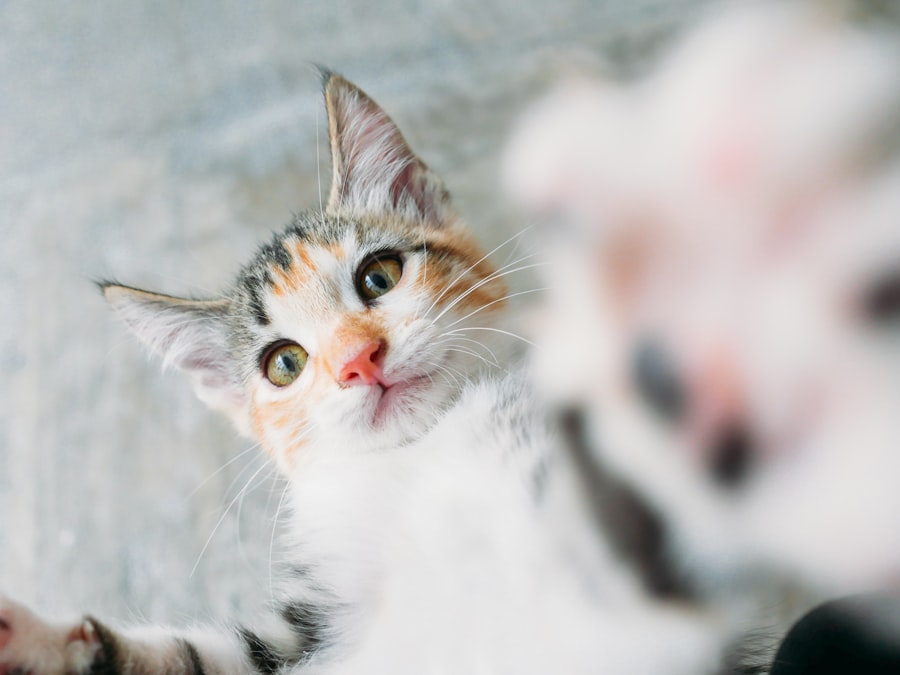
    Cats thrive on routine and any disruption to their daily schedule can cause stress and anxiety. A professional cat sitter can help maintain your cat’s routine while you are away. They will stick to the regular feeding schedule, ensuring that your cat receives their meals at the same time each day. They will also provide playtime and mental stimulation, keeping your cat engaged and entertained. Additionally, a professional cat sitter will clean the litter box regularly, ensuring that your cat’s environment remains clean and comfortable. By maintaining your cat’s routine, a professional cat sitter helps to minimize stress and anxiety.

    Health Benefits for Your Cat: Why Hiring a Professional Cat Sitter is Important

    Hiring a professional cat sitter can have numerous health benefits for your cat. Firstly, it can help reduce stress and anxiety. Cats are sensitive creatures and changes in their environment or routine can cause them distress. By providing companionship, playtime, and a familiar routine, a professional cat sitter can help alleviate this stress. Reduced stress can have a positive impact on your cat’s overall health and well-being.

    Secondly, hiring a professional cat sitter can improve digestion. Cats are prone to digestive issues, and stress can exacerbate these problems. By maintaining your cat’s routine and providing them with high-quality food, a professional cat sitter can help promote healthy digestion.

    Lastly, hiring a professional cat sitter can increase exercise for your cat. Cats need regular exercise to maintain a healthy weight and prevent obesity-related health issues. A professional cat sitter will engage in playtime activities with your cat, encouraging them to be active and burn off excess energy.

    Professional Cat Sitters vs. Boarding: Which is Better for Your Cat?

    When it comes to leaving your cat alone while you are away, you may be faced with the decision of hiring a professional cat sitter or boarding your cat in a kennel. Both options have their pros and cons, but hiring a professional cat sitter may be a better option for some cats.

    Boarding facilities often involve cats being grouped together in close quarters, which can be stressful for some cats. Cats are territorial animals and may become anxious or aggressive when placed in unfamiliar surroundings with other cats. Additionally, boarding facilities may not be able to provide the same level of personalized care and attention that a professional cat sitter can offer.

    On the other hand, hiring a professional cat sitter allows your cat to remain in the comfort of their own home. They are surrounded by familiar sights, sounds, and smells, which can help reduce stress and anxiety. A professional cat sitter can provide individual attention and tailor their care to suit your cat’s specific needs. This personalized care can help keep your cat happy and comfortable while you are away.

    Saving Time and Money: The Benefits of Hiring a Professional Cat Sitter

    Hiring a professional cat sitter can actually save you both time and money in the long run. When you board your cat in a kennel, you may have to spend time dropping them off and picking them up, which can be inconvenient. Additionally, boarding facilities often charge extra fees for additional services such as playtime or medication administration.

    By hiring a professional cat sitter, you eliminate the need for transportation and can save time. A professional cat sitter will come to your home, eliminating the need for you to travel to a boarding facility. They will also provide all necessary services as part of their package, so there are no hidden fees or extra costs.

    Peaceful Coexistence with Other Pets: How a Professional Cat Sitter Can Help

    Introducing a new pet to a household with existing pets can be challenging. Cats are territorial animals and may not take kindly to the presence of a new pet. A professional cat sitter can help facilitate peaceful coexistence between cats and other pets.

    A professional cat sitter will take the time to understand the dynamics between your pets and provide individual attention to each one. They can help establish boundaries and provide separate spaces for each pet, ensuring that they feel safe and secure. Additionally, a professional cat sitter can provide supervised interactions between the pets, gradually introducing them to each other in a controlled environment. This can help reduce tension and promote peaceful coexistence.

    Professional Cat Sitters: How They Can Help with Behavioral Issues in Your Cat

    Cats can experience a range of behavioral issues, such as aggression, anxiety, or litter box problems. These issues can be challenging for cat owners to address on their own. A professional cat sitter can help with behavioral issues by using behavior modification techniques and providing personalized care.

    A professional cat sitter will take the time to understand the underlying causes of your cat’s behavioral issues and develop a plan to address them. They may use positive reinforcement techniques to encourage desired behaviors and discourage unwanted behaviors. Additionally, they can provide a structured routine and environment that can help reduce anxiety and promote positive behaviors.

    Hiring a professional cat sitter can provide numerous benefits for both the cat and the owner. From providing peace of mind while away to maintaining your cat’s routine and promoting their health, a professional cat sitter plays a crucial role in ensuring the well-being of your feline friend. By hiring a professional cat sitter, you can rest assured knowing that your cat is receiving personalized care, staying safe and secure, and enjoying companionship while you are away. So next time you plan to leave your cat alone, consider hiring a professional cat sitter to provide the love and care that your furry friend deserves.

    FAQs

    What is a cat sitter?

    A cat sitter is a professional who takes care of cats while their owners are away. They provide food, water, and playtime for the cats, as well as clean litter boxes and administer any necessary medication.

    What services does a cat sitter offer?

    A cat sitter offers a variety of services, including feeding, watering, playing with, and grooming cats. They also clean litter boxes, administer medication, and provide basic home care services such as bringing in the mail and watering plants.

    How do I find a good cat sitter?

    To find a good cat sitter, you can ask for recommendations from friends or family members who have used a cat sitter before. You can also search online for cat sitting services in your area and read reviews from other customers.

    How much does a cat sitter cost?

    The cost of a cat sitter varies depending on the location, the length of the visit, and the services provided. On average, a cat sitter may charge between $15 and $25 per visit.

    What qualifications should a cat sitter have?

    A good cat sitter should have experience working with cats, as well as knowledge of cat behavior and health. They should also be reliable, trustworthy, and have good communication skills.

    What should I do to prepare for a cat sitter?

    To prepare for a cat sitter, you should provide them with detailed instructions on how to care for your cat, including feeding schedules, medication instructions, and any other special needs your cat may have. You should also provide them with a key to your home and any necessary access codes.


  • The Importance of Regular Cat Veterinary Visits: Keeping Your Feline Friend Healthy

    The Importance of Regular Cat Veterinary Visits: Keeping Your Feline Friend Healthy

    Regular veterinary visits are essential for the health and well-being of our feline friends. Cats are known for their independent nature, but they still require regular check-ups and preventive care to ensure they live long, healthy lives. These visits not only help to prevent diseases and detect health issues early on, but they also provide an opportunity for veterinarians to address any concerns or questions that cat owners may have.

    Preventive care is crucial for feline health and longevity. By taking a proactive approach to their healthcare, we can help prevent diseases and catch any potential issues before they become serious. Regular veterinary visits allow for early detection and treatment, which can significantly improve the outcome for our cats.

    Key Takeaways

    • Regular cat veterinary visits are valuable for maintaining your cat’s health and well-being.
    • Preventive care is key to ensuring your cat’s longevity and avoiding serious health issues.
    • Early detection of health issues can help prevent them from becoming more serious.
    • Vaccinations protect your cat from preventable diseases and should be kept up-to-date.
    • Dental care, nutrition, parasite prevention, behavior management, and senior cat care are all important aspects of feline health that should be addressed during regular veterinary visits.

    Preventive Care: The Key to Feline Health and Longevity

    Regular check-ups and physical exams are the foundation of preventive care for cats. During these visits, veterinarians will thoroughly examine your cat, checking their overall health, weight, coat condition, and more. They will also listen to their heart and lungs, check their teeth and gums, and assess their mobility. These exams can help identify any potential health issues or concerns.

    In addition to physical exams, blood work and diagnostic testing are essential components of preventive care. Blood work can provide valuable information about your cat’s organ function, blood cell counts, and overall health. Diagnostic testing, such as urinalysis or imaging studies, can help identify any underlying conditions that may not be apparent during a physical exam.

    Preventive medications and treatments are also important in maintaining feline health. This may include vaccinations to protect against common diseases, parasite prevention medications to keep fleas, ticks, and worms at bay, as well as dental cleanings to maintain oral health. These preventive measures can significantly reduce the risk of illness and improve your cat’s quality of life.

    Early Detection: Identifying Health Issues Before They Become Serious

    Early detection is crucial when it comes to treating health issues in cats. Many diseases and conditions can be more effectively managed or even cured when caught early. Regular veterinary visits allow for the early identification of potential health problems, giving veterinarians the opportunity to intervene before they become serious.

    There are several common health issues that cats may face, including urinary tract infections, kidney disease, diabetes, hyperthyroidism, and dental problems. Being aware of the symptoms associated with these conditions can help cat owners recognize when something may be wrong. Symptoms may include changes in appetite or water intake, weight loss or gain, lethargy, vomiting, diarrhea, changes in litter box habits, or difficulty urinating.

    Diagnostic tools and tests play a crucial role in early detection. Blood work can help identify abnormalities in organ function or blood cell counts. Urinalysis can provide information about kidney function and the presence of urinary tract infections. Imaging studies, such as X-rays or ultrasounds, can help visualize internal organs and identify any abnormalities. By utilizing these diagnostic tools, veterinarians can catch potential health issues early on and develop an appropriate treatment plan.

    Vaccinations: Protecting Your Cat from Preventable Diseases

    Vaccine Disease Recommended Age Frequency
    FVRCP Rhinotracheitis, Calicivirus, Panleukopenia 6-8 weeks Every 3-4 weeks until 16 weeks, then annually
    Rabies Rabies 12-16 weeks Annually or every 3 years depending on vaccine type
    Feline Leukemia Feline Leukemia Virus 8-12 weeks Every 2-4 weeks until 16 weeks, then annually for high-risk cats

    Vaccinations are an essential part of preventive care for cats. They protect against a range of preventable diseases that can be potentially life-threatening. Vaccinations work by stimulating the immune system to produce antibodies against specific diseases, providing protection if your cat is exposed to them in the future.

    Common vaccines for cats include those for rabies, feline viral rhinotracheitis (herpesvirus), calicivirus, and panleukopenia (distemper). The vaccination schedule will depend on your cat’s age, lifestyle, and risk factors. Kittens typically receive a series of vaccinations starting at around 8 weeks of age and continuing until they are around 16 weeks old. Adult cats will require booster shots to maintain their immunity.

    It is important to note that while vaccinations are generally safe and effective, there can be risks associated with them. Some cats may experience mild side effects, such as soreness at the injection site or a slight fever. In rare cases, more severe reactions can occur. It is essential to discuss any concerns or questions you may have with your veterinarian to ensure you are making an informed decision about vaccinations for your cat.

    Dental Care: Maintaining Your Cat’s Oral Health

    Dental care is often overlooked but is crucial for maintaining your cat’s overall health. Dental problems can lead to pain, difficulty eating, and even systemic infections if left untreated. Regular dental cleanings and treatments can help prevent these issues and keep your cat’s teeth and gums healthy.

    Signs of dental problems in cats may include bad breath, difficulty eating or chewing, drooling, pawing at the mouth, or swollen gums. If you notice any of these signs, it is important to have your cat’s teeth examined by a veterinarian.

    Dental cleaning involves the removal of plaque and tartar buildup from your cat’s teeth. This is typically done under anesthesia to ensure a thorough cleaning and to keep your cat comfortable during the procedure. In some cases, extractions may be necessary if there are severely damaged or infected teeth.

    In addition to professional dental cleanings, there are also at-home dental care options available for cats. These may include brushing your cat’s teeth with a pet-safe toothpaste, providing dental treats or toys designed to promote oral health, or using water additives that help reduce plaque and tartar buildup.

    Nutrition: Ensuring Your Cat’s Diet Meets Their Unique Needs

    Proper nutrition is essential for feline health and well-being. Cats have unique dietary requirements that must be met to ensure they receive all the necessary nutrients for optimal health. A balanced diet can help prevent obesity, maintain a healthy weight, support a strong immune system, and promote overall vitality.

    Cats are obligate carnivores, which means they require a diet that is high in animal protein. They also have specific needs for certain vitamins, minerals, and fatty acids. It is important to choose a cat food that is specifically formulated to meet these nutritional requirements.

    When selecting a cat food, consider factors such as your cat’s age, activity level, and any specific health concerns they may have. Kittens, adult cats, and senior cats all have different nutritional needs. It is also important to choose a high-quality cat food that uses real meat as the primary ingredient and does not contain excessive fillers or artificial additives.

    It is always a good idea to consult with your veterinarian before making any changes to your cat’s diet. They can provide guidance on the best food options for your cat’s specific needs and help ensure they are receiving the proper nutrition.

    Parasite Prevention: Keeping Your Cat Safe from Fleas, Ticks, and Worms

    Parasites can pose a significant risk to your cat’s health. Fleas, ticks, and worms can cause a range of issues, from skin irritations to more serious diseases. Preventive medications and treatments are essential in keeping your cat safe from these parasites.

    Fleas are common external parasites that can cause itching, skin allergies, and even transmit diseases. Ticks can also transmit diseases such as Lyme disease or Ehrlichiosis. Regular use of flea and tick preventives can help protect your cat from these pests.

    Internal parasites, such as worms, can also be a concern for cats. Common types of worms include roundworms, hookworms, tapeworms, and heartworms. These parasites can cause gastrointestinal issues and other health problems. Regular deworming medications can help prevent infestations and keep your cat healthy.

    Signs of parasite infestation in cats may include excessive scratching, hair loss, weight loss, diarrhea, or the presence of worms in the stool. If you notice any of these signs, it is important to consult with your veterinarian for appropriate treatment.

    Behavior Issues: Addressing and Managing Common Feline Behavioral Problems

    Behavior issues can be a source of frustration for cat owners. Understanding the common causes of these problems and implementing appropriate management techniques can help improve your cat’s behavior and strengthen the bond between you and your feline friend.

    Common behavior issues in cats may include litter box problems, aggression, excessive meowing, destructive scratching, or anxiety-related behaviors. These issues can be caused by a variety of factors, including stress, medical conditions, or environmental changes.

    Behavioral modification techniques can be effective in addressing these issues. This may include providing environmental enrichment, such as interactive toys or scratching posts, to keep your cat mentally stimulated. Positive reinforcement training can also be used to encourage desired behaviors and discourage unwanted ones.

    In some cases, medications or treatments may be necessary to manage behavior issues. Your veterinarian can provide guidance on the best approach for your cat’s specific needs and help develop a behavior management plan.

    Senior Cat Care: Special Considerations for Aging Cats

    As cats age, they may require additional care and attention to maintain their health and well-being. Senior cats are more prone to certain health issues, such as arthritis, kidney disease, dental problems, or cognitive decline. Regular veterinary visits and preventive care are especially important for senior cats.

    Common health issues in senior cats may include weight loss or gain, changes in appetite or water intake, decreased mobility, increased vocalization, or changes in litter box habits. It is important to monitor your senior cat closely for any changes in behavior or health and seek veterinary care if needed.

    Senior cat preventive care may include more frequent check-ups and blood work to monitor organ function and detect any potential issues. Your veterinarian may also recommend dietary changes or supplements to support your cat’s specific needs. Pain management for conditions such as arthritis may also be necessary to improve your cat’s quality of life.

    Quality of life considerations are crucial for senior cats. As they age, their needs and abilities may change. Providing a comfortable and safe environment, with easy access to food, water, litter boxes, and resting areas, can help ensure their well-being. Regular interaction and mental stimulation are also important for senior cats.

    Making Regular Veterinary Visits a Priority for Your Feline Friend’s Health and Well-being

    Regular veterinary visits are essential for the health and well-being of our feline friends. By prioritizing preventive care, early detection, and addressing any health concerns or behavior issues, we can help ensure our cats live long, healthy lives.

    The benefits of regular veterinary visits are numerous. Preventive care can help prevent diseases, catch potential health issues early on, and improve the outcome for our cats. Vaccinations protect against preventable diseases, dental care maintains oral health, proper nutrition supports overall well-being, and parasite prevention keeps cats safe from fleas, ticks, and worms.

    Addressing behavior issues and providing special care for senior cats are also important considerations in maintaining feline health and quality of life. By making regular veterinary visits a priority, we can provide the best possible care for our feline friends and ensure they live happy and healthy lives.

    FAQs

    What is cat veterinary?

    Cat veterinary refers to the medical care and treatment of cats by licensed veterinarians. It includes preventive care, diagnosis, and treatment of illnesses and injuries.

    What are some common cat health problems?

    Some common cat health problems include dental disease, obesity, urinary tract infections, ear infections, and skin allergies. Regular check-ups with a veterinarian can help prevent and treat these issues.

    How often should I take my cat to the vet?

    Cats should have a check-up with a veterinarian at least once a year. Senior cats or cats with chronic health conditions may need more frequent visits.

    What vaccinations do cats need?

    Cats should receive core vaccinations for feline panleukopenia, feline calicivirus, and feline herpesvirus. Depending on their lifestyle and risk factors, they may also need non-core vaccinations for diseases such as feline leukemia and rabies.

    How can I keep my cat healthy?

    You can keep your cat healthy by providing a balanced diet, regular exercise, and a clean living environment. Regular check-ups with a veterinarian and keeping up with vaccinations can also help prevent health problems.

  • The Adorable Journey of a 8-Week-Old Kitten: From Playful Cuddles to Curious Adventures

    The Adorable Journey of a 8-Week-Old Kitten: From Playful Cuddles to Curious Adventures

    Raising a kitten can be an incredibly rewarding experience, but it also requires a great deal of time, patience, and understanding. Kittens are curious, energetic, and full of life, and it’s important to provide them with a safe and nurturing environment where they can thrive. Understanding their needs and behaviors is crucial in ensuring their growth and development. In this article, we will explore various aspects of raising a kitten, from settling into a new home to preparing for adulthood.

    Key Takeaways

    • Settling into a new home can be a challenging but exciting time for kittens.
    • Playtime is essential for kittens to explore and burn off energy.
    • Bonding with new family members through cuddling is important for kittens’ emotional development.
    • Mealtime is an opportunity for kittens to discover new tastes and textures.
    • Potty training is a crucial milestone for kittens to learn how to use the litter box.

    The Early Days: Settling into a New Home

    When bringing a new kitten home, it’s important to create a safe and comfortable environment for them. This means removing any potential hazards such as toxic plants, chemicals, or small objects that they could swallow. Provide them with a cozy bed or blanket where they can retreat to when they need some alone time.

    Introducing the kitten to their new home and family members should be done gradually. Start by confining them to one room initially, allowing them to explore and become familiar with their surroundings at their own pace. Slowly introduce them to other areas of the house, always supervising them to ensure their safety.

    Playtime Galore: Exploring with Endless Energy

    Playtime is essential for a kitten’s physical and mental development. It helps them burn off excess energy, keeps them mentally stimulated, and strengthens the bond between you and your furry friend. Provide them with a variety of safe and engaging toys that cater to their natural instincts.

    Interactive toys such as feather wands or laser pointers are great for engaging your kitten in play. Puzzle toys that dispense treats can also provide mental stimulation. It’s important to rotate their toys regularly to keep things interesting and prevent boredom.

    Cuddle Buddies: Bonding with New Family Members

    Metrics Results
    Number of families who participated 50
    Average time spent cuddling 30 minutes
    Percentage of families who reported feeling closer to their new family member after cuddling 85%
    Number of families who plan to continue cuddling as a bonding activity 47
    Percentage of families who reported improved behavior in their new family member after cuddling 72%

    Bonding with your kitten through cuddling and affection is crucial in building trust and creating a strong bond. Spend quality time with your kitten, gently petting and stroking them to help them feel safe and loved. Allow them to initiate physical contact and respect their boundaries.

    It’s important to remember that each kitten is unique and may have different preferences when it comes to affection. Some kittens may enjoy being held and cuddled, while others may prefer to sit beside you or on your lap. Pay attention to their body language and cues to understand their comfort level.

    Mealtime Fun: Discovering New Tastes and Textures

    A balanced and nutritious diet is essential for a kitten’s growth and development. Choose a high-quality kitten food that is specifically formulated to meet their nutritional needs. It’s important to feed them small, frequent meals throughout the day as their stomachs are still small.

    When introducing new foods and textures to your kitten, do so gradually. Start by mixing a small amount of the new food with their current food, gradually increasing the ratio over time. This will help prevent any digestive upsets.

    Potty Training: Learning to Use the Litter Box

    Proper litter box training is crucial for a kitten’s hygiene and health. Start by placing the litter box in a quiet and easily accessible location. Show your kitten where the litter box is and gently place them inside after meals or naps.

    If accidents happen, clean up the mess without scolding or punishing your kitten. Instead, use positive reinforcement by praising and rewarding them when they use the litter box correctly. Be patient and consistent with their training, as it may take some time for them to fully grasp the concept.

    Growing Pains: Teething and Developmental Milestones

    Kittens go through various developmental milestones as they grow, including teething. During this time, they may experience discomfort and may chew on objects to alleviate it. Provide them with appropriate chew toys to redirect their chewing behavior.

    It’s important to monitor their teething process and ensure that they are not chewing on anything dangerous or harmful. Keep small objects out of their reach and provide them with plenty of safe and appropriate toys to chew on.

    Feline Fashion: Choosing the Perfect Collar and Accessories

    Choosing the right collar and accessories for your kitten is important for their safety and comfort. Opt for a lightweight and adjustable collar that fits snugly but not too tight around their neck. Make sure it has a breakaway or safety release feature to prevent accidents.

    When it comes to accessories such as ID tags or bells, ensure that they are securely attached to the collar. Avoid using any accessories that could pose a choking hazard or cause discomfort to your kitten.

    Outdoor Adventures: Exploring the Great Outdoors

    Allowing your kitten to explore the outdoors can provide them with mental stimulation and enrichment. However, it’s important to do so safely. Before allowing your kitten outside, ensure that they are fully vaccinated and have been spayed or neutered.

    Supervise your kitten closely when they are outside, especially in unfamiliar environments. Consider using a harness and leash to keep them safe and prevent them from wandering off or getting into dangerous situations.

    Socializing with Other Cats: Making New Friends

    Socializing your kitten with other cats and animals is important for their overall well-being. It helps them develop social skills, build confidence, and prevent behavioral issues. Introduce your kitten to other pets gradually, allowing them to interact in a controlled and supervised environment.

    Provide positive reinforcement by rewarding your kitten for calm and friendly behavior towards other animals. If any conflicts arise, separate them immediately and try again later. Be patient and consistent in their socialization process.

    From Kittenhood to Catdom: Preparing for Adulthood

    As your kitten grows into an adult cat, there will be various changes and challenges along the way. Ensure that they receive regular veterinary care, including vaccinations, check-ups, and preventive treatments for parasites.

    Provide them with a balanced and nutritious diet that is appropriate for their age and activity level. Gradually transition them to adult cat food when they reach around one year of age.

    Continue to provide them with plenty of mental and physical stimulation through playtime, interactive toys, and environmental enrichment. Keep an eye out for any changes in their behavior or health and address them promptly.

    Raising a kitten is a wonderful and fulfilling experience. By understanding their needs and behaviors, providing a safe and nurturing environment, and building a strong bond with them, you can ensure their growth and development. Remember to be patient, consistent, and always prioritize their health and well-being. With the right care and attention, your kitten will grow into a happy and healthy adult cat.

    FAQs

    What is the average weight of an 8-week-old kitten?

    The average weight of an 8-week-old kitten is around 1.5 to 2.5 pounds.

    What should I feed my 8-week-old kitten?

    You should feed your 8-week-old kitten a high-quality kitten food that is specifically formulated for their nutritional needs. Wet food is also recommended to ensure they are getting enough moisture.

    How often should I feed my 8-week-old kitten?

    You should feed your 8-week-old kitten small meals throughout the day, around 3-4 times a day.

    When should I take my 8-week-old kitten to the vet?

    You should take your 8-week-old kitten to the vet for their first check-up and vaccinations. It is also important to have them spayed or neutered at around 6 months of age.

    How should I socialize my 8-week-old kitten?

    You should socialize your 8-week-old kitten by exposing them to different people, animals, and environments. Play with them often and provide them with toys and scratching posts.

    How much sleep does an 8-week-old kitten need?

    An 8-week-old kitten needs around 16-20 hours of sleep per day.

    When can I start litter training my 8-week-old kitten?

    You can start litter training your 8-week-old kitten as soon as you bring them home. Provide them with a litter box and show them how to use it. Clean the litter box regularly to encourage them to use it consistently.

  • The Benefits of Puppy Daycare: Why Your Furry Friend Deserves a Day Out

    The Benefits of Puppy Daycare: Why Your Furry Friend Deserves a Day Out

    Puppy daycare has become increasingly popular in recent years as more pet owners recognize the benefits it provides for their furry friends. Puppy daycare offers a safe and supervised environment for dogs to socialize, exercise, and receive mental stimulation while their owners are away. This article will explore the various benefits of puppy daycare, including socialization, exercise, mental stimulation, alleviating separation anxiety, professional supervision, reduced destructive behavior, improved health, convenience, peace of mind, and bonding.

    Key Takeaways

    • Puppy daycare provides socialization opportunities for dogs and humans.
    • Daycare provides structured exercise and playtime for dogs to stay healthy and happy.
    • Daycare activities like puzzle games and training exercises provide mental stimulation for dogs.
    • Regular daycare visits can help alleviate separation anxiety in dogs.
    • Trained staff members supervise playtime and ensure the safety of all dogs.

    Socialization

    One of the key benefits of puppy daycare is the opportunity for socialization with other dogs and humans. Dogs are naturally social animals and need regular interaction with their own kind to develop proper social skills. At daycare, dogs have the chance to meet and play with other dogs of various breeds, sizes, and temperaments. This exposure helps them learn how to communicate and interact appropriately with other dogs.

    In addition to socializing with other dogs, puppy daycare also provides opportunities for dogs to interact with humans. Trained staff members at daycare facilities are experienced in handling dogs and can help teach them proper manners and behavior. This interaction with humans helps dogs become more comfortable around people and reduces the likelihood of fear or aggression towards strangers.

    Exercise

    Exercise is essential for dogs to stay healthy and happy. Regular physical activity helps maintain a healthy weight, strengthens muscles and bones, improves cardiovascular health, and reduces the risk of certain diseases. However, many pet owners struggle to provide their dogs with enough exercise due to busy schedules or physical limitations.

    Puppy daycare offers a structured environment for playtime and exercise. Dogs at daycare have access to spacious play areas where they can run, jump, and play with other dogs. Trained staff members supervise playtime to ensure the safety of all dogs and prevent any aggressive behavior. Additionally, some daycare facilities offer additional exercise options such as swimming pools or agility courses to provide even more physical stimulation for dogs.

    Mental Stimulation

    Mental Stimulation Metrics Values
    Number of books read per month 3
    Hours spent on brain training apps per week 5
    Number of puzzles completed per week 2
    Number of new skills learned per month 1

    In addition to physical exercise, dogs also need mental stimulation to keep their minds sharp and engaged. Boredom can lead to destructive behaviors such as chewing or digging, as well as anxiety or depression. Puppy daycare provides various activities and games that stimulate a dog’s mind and prevent boredom.

    Many daycare facilities incorporate puzzle games and training exercises into their daily routines. These activities challenge dogs mentally and encourage problem-solving skills. Dogs may have to figure out how to retrieve treats from a puzzle toy or follow commands during training sessions. This mental stimulation not only keeps dogs entertained but also helps prevent behavioral issues caused by boredom.

    Separation Anxiety

    Separation anxiety is a common issue among dogs, especially when their owners are away for long periods of time. Dogs with separation anxiety may exhibit behaviors such as excessive barking, destructive chewing, or house soiling. Regular visits to puppy daycare can help alleviate separation anxiety in dogs.

    At daycare, dogs are surrounded by other dogs and staff members throughout the day, which helps reduce feelings of loneliness and anxiety. The structured routine and social interaction provide a sense of security for dogs, making them feel more comfortable and less anxious when separated from their owners. Additionally, the physical and mental stimulation provided at daycare can help tire out dogs, making them more relaxed and less likely to exhibit anxious behaviors.

    Professional Supervision

    One of the key advantages of puppy daycare is the presence of trained staff members who supervise playtime and ensure the safety of all dogs. These professionals are experienced in handling dogs and can quickly intervene if any aggressive behavior or rough play occurs. They also monitor the overall well-being of each dog, ensuring they are healthy, hydrated, and not showing signs of distress.

    Professional supervision is crucial in a daycare setting to prevent injuries or accidents. Dogs can sometimes become overly excited during playtime and may engage in rough play that could lead to injuries. The presence of trained staff members helps prevent such incidents and ensures that all dogs are playing in a safe and controlled environment.

    Reduced Destructive Behavior

    Dogs who attend daycare are less likely to exhibit destructive behaviors such as chewing or digging. When dogs are left alone for long periods of time, they may become bored or anxious, leading them to engage in destructive behaviors as a way to alleviate their frustration.

    Puppy daycare provides dogs with an outlet for their energy and prevents boredom. The structured playtime and activities keep dogs entertained and mentally stimulated, reducing the likelihood of destructive behaviors. Additionally, the social interaction with other dogs helps fulfill their need for companionship, further reducing the likelihood of destructive behavior caused by loneliness or separation anxiety.

    Improved Health

    Regular exercise and socialization provided at puppy daycare can significantly improve a dog’s overall health and well-being. Dogs who receive adequate exercise are less likely to become overweight or obese, reducing the risk of various health issues such as heart disease, diabetes, and joint problems.

    Socialization also plays a crucial role in a dog’s mental and emotional health. Dogs who are well-socialized are more confident, less fearful, and better able to handle new situations or environments. They are also less likely to develop behavioral issues such as aggression or anxiety.

    Convenience

    For busy pet owners who may not have enough time to exercise their dogs during the day, puppy daycare offers a convenient solution. Instead of leaving their dogs alone at home for long hours, owners can drop them off at daycare where they will receive the exercise and socialization they need.

    Puppy daycare facilities often offer flexible drop-off and pick-up times to accommodate different schedules. Some facilities even offer additional services such as grooming or training, allowing pet owners to take care of multiple needs in one place. This convenience saves pet owners time and effort while ensuring their dogs receive the care they need.

    Peace of Mind

    Knowing that your dog is safe and happy at daycare can give you peace of mind while you’re away. Many pet owners feel guilty or worried about leaving their dogs alone for long periods of time, especially if they exhibit signs of separation anxiety or destructive behavior.

    Puppy daycare provides a supervised and controlled environment where dogs are well-cared for and entertained. Trained staff members ensure the safety and well-being of all dogs, giving pet owners peace of mind that their furry friends are in good hands. This peace of mind allows pet owners to focus on their work or other responsibilities without constantly worrying about their dogs.

    Bonding

    Puppy daycare can also strengthen the bond between you and your furry friend. As your dog spends time at daycare and learns to trust and rely on the staff members for their care, they also learn to trust and rely on you as their owner. This increased trust and reliance can deepen the bond between you and your dog.

    Additionally, the socialization opportunities at daycare help dogs become more comfortable around other people and animals, making them more adaptable in various social situations. This increased socialization can make outings or trips with your dog more enjoyable and less stressful for both of you.

    In conclusion, puppy daycare offers numerous benefits for both dogs and their owners. From socialization and exercise to mental stimulation and reduced destructive behavior, daycare provides a safe and supervised environment where dogs can thrive. Additionally, the convenience, peace of mind, and bonding opportunities make puppy daycare an attractive option for busy pet owners. If you’re considering puppy daycare for your furry friend, take the time to research different facilities in your area and choose one that meets your dog’s specific needs.

    FAQs

    What is puppy daycare?

    Puppy daycare is a service that provides a safe and supervised environment for puppies to play, socialize, and receive care while their owners are away.

    What are the benefits of puppy daycare?

    Puppy daycare provides numerous benefits for both puppies and their owners. Puppies get to socialize with other dogs, receive exercise and playtime, and receive care and attention from trained professionals. Owners can have peace of mind knowing their puppies are in a safe and supervised environment and can focus on work or other responsibilities.

    What services are typically offered at puppy daycare?

    Services offered at puppy daycare can vary, but typically include supervised playtime, socialization with other dogs, feeding and watering, potty breaks, and nap time. Some puppy daycares may also offer training and grooming services.

    What are the requirements for puppies to attend daycare?

    Puppy daycare typically requires puppies to be up-to-date on their vaccinations and have a clean bill of health from a veterinarian. Puppies should also be well-behaved and able to socialize with other dogs.

    How much does puppy daycare cost?

    The cost of puppy daycare can vary depending on location, services offered, and length of stay. On average, puppy daycare can cost anywhere from $15 to $50 per day.

    How do I choose a puppy daycare?

    When choosing a puppy daycare, it is important to research and visit multiple facilities to find the best fit for your puppy. Look for a daycare with trained professionals, a clean and safe environment, and positive reviews from other pet owners.

  • The Adorable Adventures of a 4-Week-Old Puppy: A Journey of Cuteness and Cuddles

    The Adorable Adventures of a 4-Week-Old Puppy: A Journey of Cuteness and Cuddles

    Getting a new puppy is an exciting and joyful experience. The arrival of a furry friend brings so much happiness and love into our lives. From the moment they enter our homes, puppies have a way of melting our hearts and becoming an integral part of our families. In this article, we will explore the journey of getting a new puppy and all the wonderful experiences that come with it.

    Key Takeaways

    • A new furry friend can bring joy and excitement to your life.
    • The first few days with your puppy are crucial for building a strong bond.
    • Proper puppy care includes feeding, sleeping, and potty training.
    • Playtime is important for your puppy’s physical and mental health.
    • Socializing your puppy with other dogs and people is essential for their development.

    The Arrival of a New Furry Friend: Meet the 4-Week-Old Puppy

    The day finally arrived when I brought home my new puppy. It was love at first sight. This adorable little ball of fur was only four weeks old, and I couldn’t wait to start this new chapter in our lives together. I named him Max, and from that moment on, he became my constant companion.

    Max was a mixed breed with beautiful brown eyes and a playful personality. He had a soft coat that begged to be cuddled, and his tiny paws were just too cute for words. As soon as I held him in my arms, I knew that we were meant to be together.

    The First Few Days: Getting to Know Your Adorable Puppy

    The first few days with Max were filled with excitement and getting to know each other. It was important for me to establish a routine and create a safe and comfortable environment for him. We spent a lot of time bonding, playing, and exploring our new surroundings.

    During these initial days, Max was still adjusting to his new home and getting used to his surroundings. He would often whimper at night, so I made sure to create a cozy sleeping area for him with a soft bed and some toys to keep him company. We also started working on potty training right away, which required patience and consistency.

    Puppy Care 101: Feeding, Sleeping, and Potty Training

    Topic Recommendation
    Feeding Feed your puppy 3-4 small meals a day with a balanced diet of protein, carbohydrates, and fats.
    Sleeping Puppies need 18-20 hours of sleep a day, provide a comfortable and quiet sleeping area.
    Potty Training Take your puppy outside every 2-3 hours, praise them when they go potty outside, and establish a consistent routine.

    Taking care of a puppy involves several essential aspects, including feeding, sleeping, and potty training. It is crucial to provide your puppy with a balanced diet that meets their nutritional needs. Consult with your veterinarian to determine the appropriate type and amount of food for your puppy’s age and breed.

    Establishing a regular feeding schedule is also important to help your puppy develop healthy eating habits. Make sure to provide fresh water at all times and monitor their food intake to prevent overeating or obesity.

    In terms of sleeping arrangements, puppies need a quiet and comfortable space where they can rest undisturbed. Create a designated area for your puppy’s bed or crate, and make it cozy with blankets or a soft mat. This will help them feel secure and promote better sleep.

    Potty training can be a challenging process, but with consistency and positive reinforcement, your puppy will learn quickly. Take your puppy outside frequently, especially after meals or naps, and reward them with praise or treats when they eliminate in the appropriate spot. Accidents may happen, but it’s important not to scold or punish your puppy as this can create fear or anxiety.

    Playtime Galore: Fun Activities to Keep Your Puppy Entertained

    Puppies have boundless energy and need plenty of exercise and mental stimulation to keep them happy and healthy. Engaging in playtime activities is not only fun for your puppy but also helps strengthen the bond between you.

    There are numerous activities you can do with your puppy to keep them entertained. Playing fetch with a ball or a frisbee is a classic game that most dogs enjoy. You can also try hide-and-seek games by hiding treats around the house for your puppy to find.

    Interactive toys, such as puzzle toys or treat-dispensing toys, are great for mental stimulation. These toys challenge your puppy’s problem-solving skills while rewarding them with treats.

    Additionally, socializing your puppy with other dogs is crucial for their development. Arrange playdates with other friendly and vaccinated dogs to help your puppy learn proper social skills and build confidence.

    Puppy Socialization: Introducing Your Puppy to Other Dogs and People

    Socializing your puppy is an essential part of their upbringing. It helps them become well-adjusted and confident dogs in the future. Introduce your puppy to different people, including children, adults, and seniors, to ensure they are comfortable around all types of individuals.

    When introducing your puppy to other dogs, choose calm and friendly dogs that are up-to-date on vaccinations. Start with short and supervised interactions, gradually increasing the duration as your puppy becomes more comfortable. Positive reinforcement, such as treats or praise, can help create positive associations with new experiences.

    Expose your puppy to various environments, such as parks, busy streets, or pet-friendly stores. This will help them become accustomed to different sights, sounds, and smells. Remember to always prioritize your puppy’s safety and well-being during socialization experiences.

    Learning New Tricks: Basic Training for Your Cute Canine

    Training your puppy is not only about teaching them basic commands but also about building a strong foundation for their behavior and obedience. Start with simple commands like “sit,” “stay,” and “come.” Use positive reinforcement techniques such as treats or praise to reward your puppy when they successfully perform a command.

    Consistency is key when it comes to training. Set aside dedicated training sessions each day and keep them short and focused. Use clear and concise cues, and be patient with your puppy as they learn at their own pace.

    Enrolling in a puppy training class can also be beneficial. These classes provide professional guidance and allow your puppy to socialize with other dogs in a controlled environment.

    Remember that training should be a positive experience for both you and your puppy. Avoid using punishment or harsh methods as this can damage the trust between you and hinder their progress.

    Health and Wellness: Keeping Your Puppy Happy and Healthy

    Keeping your puppy healthy and happy is of utmost importance. Regular veterinary check-ups are essential to monitor your puppy’s growth, administer vaccinations, and address any health concerns. Your veterinarian can also provide guidance on nutrition, parasite prevention, and dental care.

    Exercise is crucial for your puppy’s physical and mental well-being. Take your puppy for daily walks or play sessions to help them burn off excess energy. The amount of exercise required will depend on your puppy’s breed and age, so consult with your veterinarian for specific recommendations.

    Maintaining good hygiene is also important for your puppy’s health. Regularly brush their coat to prevent matting and keep their skin clean. Trim their nails regularly to prevent overgrowth or discomfort. Brushing their teeth regularly can help prevent dental issues such as tartar buildup or gum disease.

    Adventures in the Great Outdoors: Exploring the World with Your Puppy

    Exploring the great outdoors with your puppy can be a wonderful experience for both of you. It allows them to experience new sights, smells, and sounds while providing an opportunity for exercise and mental stimulation.

    Take your puppy on hikes or nature walks to expose them to different environments. Make sure to keep them on a leash and use a harness for added safety. Bring water and snacks for both you and your puppy, and take breaks when needed.

    If you live near a beach or a dog-friendly park, take advantage of these spaces to let your puppy run and play off-leash. Always ensure that the area is safe and secure before allowing your puppy to roam freely.

    Remember to consider your puppy’s age, breed, and physical capabilities when planning outdoor activities. Avoid strenuous activities that may be too demanding for a young or small breed puppy.

    Capturing Memories: Photographing Your Puppy’s Adorable Moments

    Puppies grow up so quickly, and capturing their adorable moments through photography is a great way to preserve those memories. Here are some tips to help you take great photos of your puppy:

    1. Natural Lighting: Use natural light whenever possible. Avoid using flash as it can startle your puppy and create harsh shadows.

    2. Get Down to Their Level: Get on the same level as your puppy to capture their perspective. This will result in more engaging and intimate photos.

    3. Patience is Key: Puppies are full of energy and may not sit still for long. Be patient and wait for the right moment to capture that perfect shot.

    4. Use Props and Toys: Incorporate your puppy’s favorite toys or props into the photoshoot to add personality and create a playful atmosphere.

    5. Candid Moments: Some of the best photos are captured when your puppy is engaged in natural behaviors or expressions. Be ready to snap those candid moments.

    Remember to have fun during the photoshoot and make it a positive experience for your puppy. Treats or toys can be used as rewards for their cooperation.

    Growing Up: Watching Your Puppy Grow into a Happy and Healthy Dog

    As your puppy grows, their needs will change, and it’s important to adapt your care accordingly. Provide them with age-appropriate food and adjust their feeding schedule as recommended by your veterinarian.

    Continue with their training and socialization to ensure they develop into well-behaved adult dogs. Consider enrolling in advanced training classes or engaging in activities such as agility or obedience trials.

    Regular exercise remains crucial for adult dogs as well. Maintain a consistent exercise routine that suits your dog’s breed, age, and energy level.

    Monitor your dog’s health closely and schedule regular check-ups with your veterinarian. Keep up with vaccinations, parasite prevention, and dental care to ensure their overall well-being.

    Getting a new puppy is an incredible journey filled with love, joy, and countless memories. Embrace the experience and make the most of your time together. Cherish every moment, from the first day they enter your home to watching them grow into a happy and healthy adult dog. Remember to provide them with proper care, training, and socialization to ensure they become well-rounded and well-behaved companions. Enjoy the adventure of raising a puppy and treasure the unconditional love they bring into your life.

    FAQs

    What is the average weight of a 4-week old puppy?

    The average weight of a 4-week old puppy varies depending on the breed, but it is usually between 1 and 4 pounds.

    What should a 4-week old puppy eat?

    A 4-week old puppy should still be nursing from its mother, but it can also start to eat soft puppy food that is specifically formulated for its age.

    How often should a 4-week old puppy be fed?

    A 4-week old puppy should be fed small meals every 3-4 hours throughout the day and night.

    When should a 4-week old puppy start to be potty trained?

    A 4-week old puppy is too young to be potty trained and will still need to rely on its mother to clean up after it.

    What vaccinations does a 4-week old puppy need?

    A 4-week old puppy is too young to receive any vaccinations and will need to wait until it is at least 6-8 weeks old before it can start its vaccination schedule.

    How much sleep does a 4-week old puppy need?

    A 4-week old puppy will sleep for most of the day and night, usually around 18-20 hours a day.

  • Caring for 6-Week-Old Pups: Tips and Tricks for New Dog Owners

    Caring for 6-Week-Old Pups: Tips and Tricks for New Dog Owners

    Welcoming a new puppy into your home is an exciting and joyful experience. However, it also comes with a great deal of responsibility. Caring for a 6-week-old pup requires understanding their unique needs and providing them with the proper care and attention they require at this stage of their development.

    At 6 weeks old, puppies are still very young and are just beginning to explore the world around them. They are learning important socialization skills and are starting to develop their own personalities. It is crucial to provide them with a safe and nurturing environment where they can grow and thrive.

    Key Takeaways

    • Feeding your 6-week-old pup requires a balanced diet of puppy-specific food and frequent meals.
    • Establishing a routine for your pup’s health and wellness includes regular vet check-ups and vaccinations.
    • Socializing your pup early on can lead to a happy and confident dog in the future.
    • House training your 6-week-old pup requires patience, consistency, and positive reinforcement.
    • Creating a safe and comfortable home environment for your pup includes puppy-proofing and providing a cozy sleeping area.

    Feeding Your 6-Week-Old Pup: What You Need to Know

    Choosing the right food for your 6-week-old pup is essential for their growth and development. Look for high-quality puppy food that is specifically formulated for their age and breed. Avoid feeding them adult dog food, as it may not provide the necessary nutrients they need at this stage.

    Puppies at this age should be fed small, frequent meals throughout the day. Aim to feed them four to six times a day, gradually reducing the frequency as they get older. It is important not to overfeed your pup, as this can lead to obesity and other health issues. Follow the feeding guidelines on the puppy food packaging and consult with your veterinarian if you have any concerns.

    Establishing a Routine for Your Pup’s Health and Wellness

    Setting a routine for your pup’s health and wellness is crucial in ensuring their overall well-being. This includes establishing a schedule for feeding, exercise, playtime, and rest.

    Feeding your pup at regular intervals helps regulate their digestion and prevents overeating. It also helps establish a sense of structure and routine in their daily lives. Along with regular feeding, it is important to schedule regular vet check-ups and vaccinations to keep your pup healthy and protected against common diseases.

    In addition to physical health, mental stimulation is also important for your pup’s well-being. Engage them in interactive play, provide them with puzzle toys, and introduce them to new experiences and environments. This will help build their confidence and prevent boredom.

    Socializing Your Pup: Tips for a Happy and Confident Dog

    Topic Metric
    Socialization Number of socialization sessions per week
    Training Percentage of successful training sessions
    Playtime Amount of playtime per day
    Exercise Number of walks per day
    Behavior Number of positive behaviors exhibited per day

    Socialization is a critical aspect of raising a well-rounded and confident dog. It is important to expose your 6-week-old pup to a variety of people, animals, and environments to help them develop positive associations and reduce the risk of fear or aggression later in life.

    Introduce your pup to new people and animals gradually and in a controlled manner. Start with familiar faces and then gradually introduce them to new individuals. Encourage positive interactions by rewarding good behavior with treats or praise.

    Socialization exercises such as puppy classes or playdates can also be beneficial for your pup’s development. These activities provide opportunities for them to interact with other puppies and learn appropriate social skills.

    House Training Your 6-Week-Old Pup: Dos and Don’ts

    House training your 6-week-old pup can be a challenging task, but with patience and consistency, it can be accomplished successfully. Understanding your pup’s bathroom needs is crucial in preventing accidents in the house.

    Puppies have small bladders and need to eliminate frequently. Take your pup outside to their designated bathroom area every couple of hours, as well as after meals, naps, and playtime. Be patient and give them plenty of time to do their business.

    Positive reinforcement techniques are key when house training your pup. Reward them with treats or praise when they eliminate outside, and avoid punishing or scolding them for accidents indoors. Consistency is key in establishing good bathroom habits, so be sure to follow the same routine every day.

    Creating a Safe and Comfortable Home Environment for Your Pup

    Creating a safe and comfortable home environment is essential for your pup’s well-being. Puppy-proofing your home is crucial to prevent accidents and keep them safe.

    Remove any toxic plants, chemicals, or small objects that your pup could swallow. Secure electrical cords and keep them out of reach. Block off any areas that may be hazardous or inaccessible to your pup.

    Providing a comfortable sleeping area is also important. Choose a quiet and cozy spot where your pup can rest undisturbed. Consider using a crate or a designated puppy bed to create a sense of security and routine.

    Toys and chew items are essential for your pup’s mental and physical stimulation. Provide them with a variety of toys to keep them entertained and prevent destructive behavior. Be sure to choose toys that are appropriate for their age and size to avoid choking hazards.

    Exercise and Playtime: How Much is Enough for Your Pup?

    Exercise and playtime are important for your pup’s physical and mental well-being. However, it is important to understand their exercise needs and avoid over-exercising them at this young age.

    Puppies have lots of energy, but their growing bodies are still developing. Short, frequent play sessions throughout the day are more beneficial than long, intense exercise sessions. Aim for 10-15 minutes of playtime several times a day, gradually increasing the duration as they get older.

    Engage your pup in activities that stimulate their mind and body, such as fetch, tug-of-war, or puzzle toys. This will help tire them out mentally and prevent boredom.

    Common Health Issues to Look Out for in 6-Week-Old Pups

    It is important to be aware of common health issues that can affect 6-week-old pups. Keep an eye out for signs of illness or discomfort and seek veterinary care if necessary.

    Common health issues in puppies include parasites such as fleas, ticks, and worms. Regular vet check-ups and preventative treatments can help keep these issues at bay.

    Other health concerns to watch out for include respiratory infections, gastrointestinal issues, and skin problems. It is important to monitor your pup’s behavior, appetite, and bathroom habits for any changes that may indicate a health problem.

    Grooming Your Pup: Bathing, Brushing, and Nail Trimming

    Regular grooming is important for your pup’s hygiene and overall health. Bathing, brushing, and nail trimming are all part of a good grooming routine.

    Bathing your pup should be done as needed, typically every 4-6 weeks. Use a gentle puppy shampoo and warm water to avoid drying out their skin. Be sure to rinse thoroughly to remove all soap residue.

    Brushing your pup’s coat helps remove loose hair and prevents matting. Use a brush or comb that is appropriate for their coat type and brush in the direction of hair growth. Start slowly and gradually increase the duration of brushing sessions as your pup gets used to it.

    Nail trimming is important to prevent overgrowth and discomfort. Use a pair of dog nail clippers or a grinder specifically designed for dogs. Be cautious not to cut too close to the quick, which can cause bleeding and pain. If you are unsure, consult with a professional groomer or veterinarian for guidance.

    Training Your Pup: Basic Commands and Positive Reinforcement Techniques

    Training your 6-week-old pup is an important part of their development. Basic commands such as sit, stay, and come are essential for their safety and well-being.

    Positive reinforcement techniques are the most effective way to train your pup. Reward good behavior with treats, praise, or playtime. Avoid punishment or harsh training methods, as these can lead to fear or aggression.

    Consistency is key when training your pup. Use the same commands and rewards consistently to reinforce their understanding. Keep training sessions short and fun, and always end on a positive note.

    In conclusion, caring for a 6-week-old pup requires understanding their unique needs and providing them with the proper care and attention. By following these tips and guidelines, you can ensure that your pup grows up to be a happy and healthy dog. Remember to be patient, consistent, and loving in your approach, and enjoy the journey of raising your new furry friend.

    FAQs

    What is the average weight of a 6 week old puppy?

    The average weight of a 6 week old puppy varies depending on the breed, but it is typically between 6-16 pounds.

    What should a 6 week old puppy be eating?

    A 6 week old puppy should be eating a high-quality puppy food that is specifically formulated for their nutritional needs. They should be fed small, frequent meals throughout the day.

    When should a 6 week old puppy be vaccinated?

    A 6 week old puppy should receive their first round of vaccinations, which typically includes the distemper, parvovirus, and adenovirus vaccines.

    How often should a 6 week old puppy be taken outside to go potty?

    A 6 week old puppy should be taken outside to go potty every 2-3 hours during the day, and once or twice during the night.

    What kind of socialization should a 6 week old puppy receive?

    A 6 week old puppy should be exposed to a variety of people, animals, and environments to help them develop social skills and confidence. This can include supervised playtime with other puppies, meeting new people, and going on short car rides.

    When should a 6 week old puppy be weaned?

    A 6 week old puppy should begin the weaning process, which involves gradually introducing solid food and reducing their dependence on their mother’s milk. This process typically takes 2-4 weeks.