Category: rabbits

  • Caring for Your Newborn Bunny: Tips and Tricks for a Hoppy Life

    Caring for Your Newborn Bunny: Tips and Tricks for a Hoppy Life

    Owning a bunny can be a truly rewarding experience. These adorable creatures bring joy and companionship to our lives, and their playful nature can brighten even the gloomiest of days. However, along with the joys of bunny parenthood come great responsibilities. It is important to understand the basics of bunny care in order to provide a happy and healthy life for your furry friend.

    Key Takeaways

    • Bunny parenthood comes with both joys and responsibilities.
    • Bunny-proofing your home is important to ensure your bunny’s safety.
    • Newborn bunnies should be fed a diet of hay, fresh vegetables, and a small amount of pellets.
    • Common health issues in bunnies include dental problems and gastrointestinal issues, which can be prevented through proper diet and regular check-ups.
    • Regular grooming, including brushing and nail trimming, is important for your bunny’s health and happiness.

    Preparing Your Home for a Newborn Bunny: Bunny-Proofing Tips

    Bunnies are curious creatures by nature, and they love to explore their surroundings. Unfortunately, this often involves chewing on things that they shouldn’t. Before bringing your newborn bunny home, it is crucial to bunny-proof your living space to ensure their safety.

    Start by removing any toxic plants or household items that could harm your bunny if ingested. Bunnies have a tendency to chew on electrical cords, so make sure to cover them or keep them out of reach. Additionally, secure any loose wires or cables that could pose a strangulation risk.

    It is also important to protect your furniture and belongings from bunny teeth. Provide plenty of safe chew toys for your bunny to satisfy their natural chewing instincts. You can also use bitter apple spray on furniture legs or other items that you want to discourage your bunny from chewing on.

    Feeding Your Newborn Bunny: What to Feed and How Often

    Proper nutrition is essential for the health and well-being of your newborn bunny. Bunnies have specific dietary needs that must be met in order to prevent health issues such as dental problems and gastrointestinal stasis.

    The majority of a bunny’s diet should consist of hay, which provides essential fiber for their digestive system. Fresh vegetables should also be included in their diet, with a focus on leafy greens such as kale, spinach, and romaine lettuce. It is important to introduce new foods gradually to avoid digestive upset.

    In addition to hay and vegetables, bunnies also require a small amount of pellets to ensure they receive all the necessary nutrients. However, it is important not to overfeed pellets, as this can lead to obesity and other health issues. Consult with your veterinarian to determine the appropriate amount of pellets for your bunny’s age and size.

    Bunny Health 101: Common Health Issues and How to Prevent Them

    Common Health Issues Prevention Tips
    Gastrointestinal Stasis Provide plenty of hay and water, feed a balanced diet, and encourage exercise
    Dental Problems Offer hay and chew toys to promote dental wear, avoid sugary treats, and schedule regular dental check-ups
    Respiratory Infections Keep the living area clean and well-ventilated, avoid exposure to cigarette smoke and other irritants, and seek veterinary care at the first sign of illness
    Parasites Practice good hygiene, keep living areas clean, and use flea and tick preventatives as recommended by a veterinarian
    Heat Stroke Provide shade and plenty of water, avoid exercising during the hottest parts of the day, and never leave a bunny in a hot car

    Bunnies, like any other pet, can be prone to certain health issues. It is important to be aware of these common problems and take steps to prevent them.

    One common health issue in bunnies is dental problems. Bunnies’ teeth grow continuously throughout their lives, and if they do not have proper chewing outlets, their teeth can become overgrown and cause pain and difficulty eating. Providing plenty of hay and safe chew toys can help prevent dental issues.

    Another common health issue in bunnies is gastrointestinal stasis, which is a slowdown or stoppage of the digestive system. This can be caused by a variety of factors, including a lack of fiber in the diet or stress. To prevent gastrointestinal stasis, make sure your bunny has access to plenty of fresh hay and a balanced diet.

    It is also important to keep an eye out for signs of illness in your bunny, such as changes in appetite, behavior, or bathroom habits. If you notice any concerning symptoms, it is important to consult with a veterinarian who specializes in exotic pets.

    Bunny Grooming: How to Keep Your Bunny Clean and Healthy

    Bunnies require regular grooming to keep their fur clean and healthy. While they are generally clean animals that groom themselves, they may need some assistance from their human caregivers.

    One important aspect of bunny grooming is brushing their fur. This helps remove loose hair and prevents matting. Use a soft brush or comb specifically designed for bunnies, and be gentle to avoid causing any discomfort.

    Bunnies also need regular nail trims to prevent their nails from becoming overgrown and causing pain or injury. You can use a pair of small animal nail clippers or take your bunny to a veterinarian or groomer who is experienced in bunny care.

    Additionally, it is important to keep your bunny’s living space clean. Regularly clean their litter box and provide fresh bedding to prevent odors and maintain a healthy environment.

    Bunny Behavior: Understanding Your Bunny’s Body Language and Behaviors

    Bunnies have their own unique body language and behaviors that can tell us a lot about how they are feeling. Understanding these cues is essential for effective communication and building a strong bond with your bunny.

    For example, a bunny that is relaxed and content will have their ears in a neutral position, with their body relaxed and their tail resting comfortably. On the other hand, a bunny that is scared or anxious may have their ears flattened against their back, their body tense, and their tail tucked tightly.

    Bunnies also communicate through various behaviors, such as thumping their hind legs to signal danger or digging to create a comfortable resting spot. By observing and understanding these behaviors, you can better meet your bunny’s needs and provide them with a safe and comfortable environment.

    Bunny Playtime: Fun Activities to Keep Your Bunny Active and Happy

    Bunnies are active animals that require plenty of exercise and mental stimulation to stay happy and healthy. Providing them with opportunities for playtime is essential for their well-being.

    One fun activity for bunnies is providing them with tunnels or mazes to explore. Bunnies love to run through tunnels and hide in cozy spaces, so providing them with these opportunities can keep them entertained for hours.

    You can also provide your bunny with puzzle toys or treat-dispensing toys to keep them mentally stimulated. These toys require your bunny to work for their treats, which can help prevent boredom and encourage natural behaviors.

    Additionally, spending time interacting with your bunny is important for their socialization and mental well-being. Take the time to play with your bunny, provide them with toys to toss and chew on, and engage in gentle petting and grooming sessions.

    Bunny Training: How to Litter Train and Teach Basic Commands

    Contrary to popular belief, bunnies can be trained just like any other pet. Litter training is an important aspect of bunny training, as it helps keep their living space clean and prevents accidents.

    To litter train your bunny, start by placing a litter box in a corner of their enclosure or designated play area. Bunnies naturally prefer to use one spot for their bathroom needs, so they will likely gravitate towards the litter box. When you see your bunny using the litter box, reward them with praise or a small treat.

    Consistency is key when it comes to litter training. Make sure to clean the litter box regularly and provide fresh bedding to encourage your bunny to continue using it. If accidents occur outside of the litter box, clean up the mess thoroughly and place some of the soiled bedding in the litter box to help your bunny associate that spot with their bathroom needs.

    In addition to litter training, you can also teach your bunny basic commands such as “come” or “up.” Use positive reinforcement techniques such as treats or praise to reward your bunny for following commands. Keep training sessions short and fun, and always end on a positive note.

    Bunny Bonding: How to Build a Strong Relationship with Your Bunny

    Building a strong bond with your bunny is important for their overall well-being. Bunnies are social animals that thrive on companionship and interaction with their human caregivers.

    One way to build a strong bond with your bunny is through gentle handling and petting. Spend time each day sitting with your bunny, offering gentle strokes and scratches. This helps your bunny associate you with positive experiences and builds trust.

    You can also bond with your bunny through playtime and interactive activities. Engage in games such as hide-and-seek or provide your bunny with toys to toss and chase. This not only provides mental stimulation for your bunny but also strengthens the bond between you.

    It is important to remember that each bunny is unique and may have different preferences when it comes to bonding. Pay attention to your bunny’s body language and cues, and adjust your interactions accordingly. Building a strong bond takes time and patience, but the rewards are well worth the effort.

    Tips for a Hoppy Life with Your Newborn Bunny

    Owning a bunny can be a wonderful experience filled with joy, love, and companionship. By understanding the basics of bunny care, you can provide a happy and healthy life for your furry friend.

    Remember to bunny-proof your home to keep your bunny safe, provide a balanced diet and regular grooming to keep them healthy, and take the time to understand their unique behaviors and needs. By bonding with your bunny through playtime and training, you can build a strong relationship that will bring you both years of happiness.

    With proper care and attention, you can ensure a hoppy life for your newborn bunny. So go ahead, embrace the joys and responsibilities of bunny parenthood, and enjoy the love and companionship that these adorable creatures bring into our lives.

    FAQs

    What is a newborn bunny?

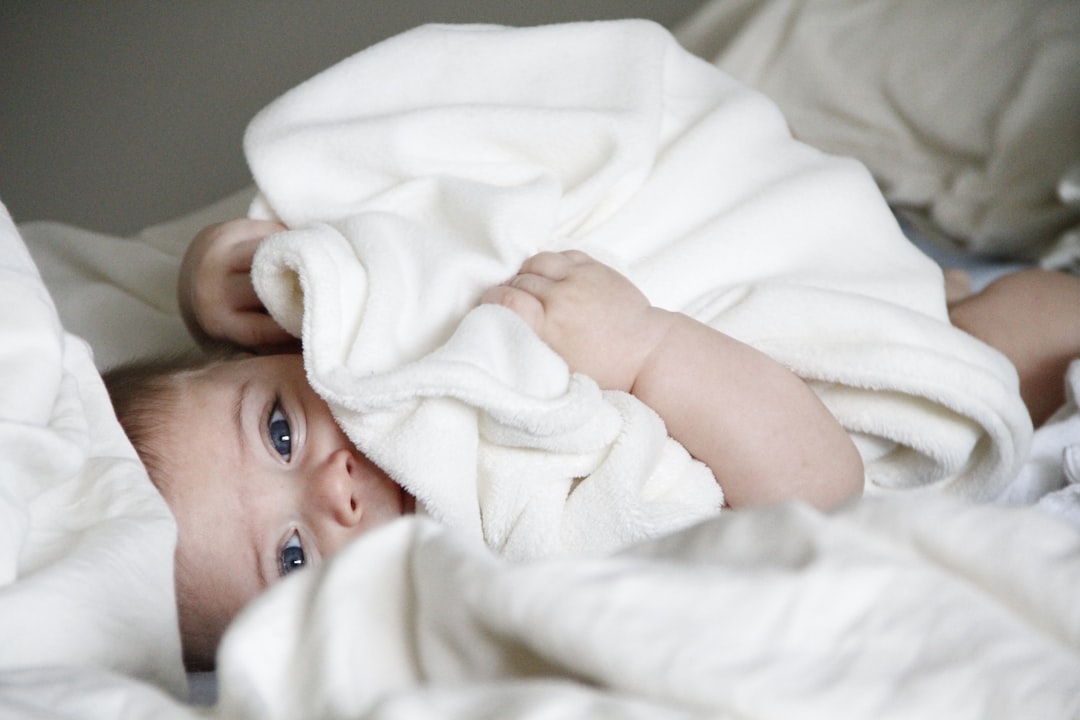
    A newborn bunny is a baby rabbit that has just been born.

    How big is a newborn bunny?

    A newborn bunny is very small, usually about the size of a golf ball.

    What do newborn bunnies eat?

    Newborn bunnies drink their mother’s milk for the first few weeks of their life.

    How long do newborn bunnies stay with their mother?

    Newborn bunnies stay with their mother for about 4-6 weeks before they are weaned and able to eat solid food.

    How do you take care of a newborn bunny?

    If you find a newborn bunny, it is best to leave it alone and let its mother take care of it. If you are raising a newborn bunny, you should consult with a veterinarian or experienced rabbit breeder for proper care instructions.

    What are some common health issues for newborn bunnies?

    Newborn bunnies are susceptible to hypothermia, dehydration, and infections. It is important to keep them warm, hydrated, and in a clean environment to prevent these issues.
  • The Majestic Lionhead Bunnies: A Guide to Caring for These Regal Rabbits

    The Majestic Lionhead Bunnies: A Guide to Caring for These Regal Rabbits

    Lionhead bunnies, with their distinctive mane-like fur, are a breed of domestic rabbits that have gained popularity as pets in recent years. These adorable creatures have a rich history and origin that adds to their charm. Lionhead bunnies are believed to have originated in Belgium, where breeders sought to create a rabbit with a distinctive mane similar to that of a lion. Through careful breeding and selection, the Lionhead breed was developed.

    The popularity of Lionhead bunnies as pets can be attributed to their unique appearance and friendly nature. Their fluffy manes and expressive eyes make them incredibly endearing, and their small size makes them suitable for both indoor and outdoor living. Additionally, Lionhead bunnies are known for their friendly and sociable personalities, making them great companions for individuals or families looking for a pet that is both entertaining and affectionate.

    Key Takeaways

    • Lionhead bunnies are majestic and regal rabbits that make great pets.
    • Lionhead bunnies are unique due to their distinctive mane of fur around their head and their small size.
    • Housing requirements for lionhead bunnies include a safe and comfortable environment with plenty of space to move around.
    • A balanced diet is important for the optimal health of lionhead bunnies, including hay, fresh vegetables, and a limited amount of pellets.
    • Grooming lionhead bunnies involves maintaining their fluffy coats through regular brushing and trimming.

    Characteristics of Lionhead Bunnies: What Makes Them Unique?

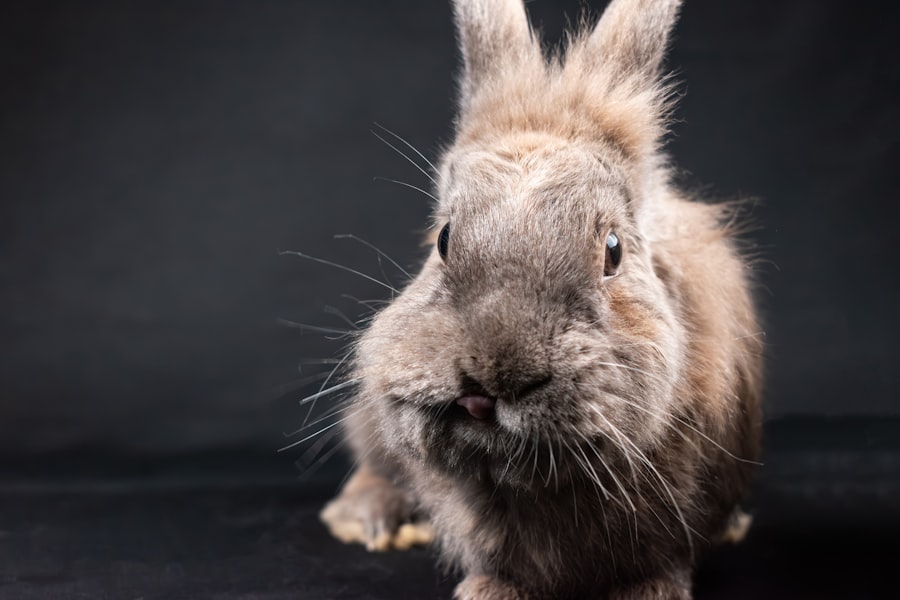
    Lionhead bunnies are easily recognizable due to their distinctive physical appearance. They have a compact body with short legs and a round head. However, what sets them apart from other rabbit breeds is their mane-like fur around their head, resembling that of a lion. This fur can vary in length and texture, with some Lionheads having longer, flowing manes while others have shorter, more compact ones.

    In terms of personality and behavior, Lionhead bunnies are known for being friendly and sociable. They enjoy human interaction and can form strong bonds with their owners. They are also intelligent animals that can be trained to perform tricks or use a litter box. However, it is important to note that each bunny has its own unique personality, so it is essential to spend time getting to know your individual pet’s preferences and behaviors.

    Housing Requirements for Lionhead Bunnies: Creating a Safe and Comfortable Environment

    When it comes to housing Lionhead bunnies, it is important to provide them with a safe and comfortable environment. This includes choosing the right cage or enclosure, providing suitable bedding and accessories, and considering temperature and lighting requirements.

    Lionhead bunnies require a spacious cage or enclosure that allows them to move around freely. The cage should be large enough for them to stretch out fully and stand on their hind legs without their ears touching the top. It is also important to provide them with a solid floor or matting to prevent any foot injuries.

    Bedding is essential for creating a comfortable living space for your Lionhead bunny. Choose bedding that is safe for rabbits, such as paper-based bedding or hay. Avoid using cedar or pine shavings, as they can be harmful to rabbits’ respiratory systems.

    Temperature and lighting are also important considerations for housing Lionhead bunnies. They are sensitive to extreme temperatures, so it is crucial to keep their environment within a comfortable range. Additionally, providing natural light or full-spectrum lighting can help mimic their natural habitat and promote their overall well-being.

    Feeding Lionhead Bunnies: A Balanced Diet for Optimal Health

    Food Type Amount Frequency Benefits
    Hay Unlimited Daily Provides fiber for digestive health
    Pellets 1/4 cup Daily Supplies essential vitamins and minerals
    Vegetables 1 cup Daily Offers variety and additional nutrients
    Fruits 1-2 tablespoons Occasionally Treats and adds flavor to diet
    Water Unlimited Daily Keeps bunny hydrated and healthy

    Proper nutrition is essential for the health and well-being of Lionhead bunnies. A balanced diet should consist of high-quality hay, fresh vegetables, and a limited amount of pellets. It is important to provide them with a variety of foods to ensure they receive all the necessary nutrients.

    Hay should make up the majority of a Lionhead bunny’s diet. It helps maintain healthy digestion and provides essential fiber. Fresh vegetables should also be included in their diet, with options such as leafy greens, carrots, and bell peppers being suitable choices. Pellets should be given in moderation, as they can be high in calories and lead to obesity if overfed.

    It is important to avoid feeding Lionhead bunnies certain foods that can be harmful to their health. This includes foods high in sugar, such as fruits and treats, as well as foods that are toxic to rabbits, such as chocolate, onions, and garlic. Additionally, it is crucial to provide fresh water at all times and ensure that the water source is clean and free from contaminants.

    Grooming Lionhead Bunnies: Maintaining Their Fluffy Coats

    One of the most distinctive features of Lionhead bunnies is their fluffy mane-like fur. However, this luxurious coat requires regular grooming to keep it in good condition. Grooming not only helps maintain their appearance but also prevents matting and keeps their skin healthy.

    Brushing and combing are essential grooming techniques for Lionhead bunnies. Use a soft-bristled brush or a comb specifically designed for rabbits to gently remove any tangles or mats in their fur. It is important to be gentle and avoid pulling on their fur, as this can cause discomfort or injury.

    Bathing should be done sparingly, as rabbits are generally clean animals that groom themselves. However, if your Lionhead bunny’s fur becomes soiled or dirty, a bath may be necessary. Use a mild rabbit-safe shampoo and warm water to gently clean their fur, taking care to avoid getting water in their ears or eyes.

    Nail trimming and ear cleaning are also important aspects of grooming Lionhead bunnies. Trim their nails regularly using a pair of small animal nail clippers, being careful not to cut too close to the quick. Cleaning their ears involves using a damp cloth or cotton ball to gently wipe away any dirt or debris.

    Exercise and Playtime for Lionhead Bunnies: Keeping Them Active and Happy

    Lionhead bunnies are active animals that require regular exercise and mental stimulation to stay happy and healthy. Providing them with opportunities for playtime and exercise is essential for their overall well-being.

    Exercise is important for maintaining a healthy weight and preventing obesity in Lionhead bunnies. They should have access to a safe and secure area where they can run, jump, and explore. This can be achieved through both indoor and outdoor play options, depending on your living situation and preferences.

    Indoor play options for Lionhead bunnies include providing them with toys, tunnels, and obstacles to keep them entertained. You can also create a designated play area where they can roam freely under supervision. Outdoor play options may include a secure outdoor enclosure or supervised playtime in a rabbit-proofed yard.

    Toys and games are great ways to keep Lionhead bunnies mentally stimulated. Provide them with chew toys, puzzle toys, or treat-dispensing toys to keep them engaged and entertained. You can also engage in interactive play with your bunny using toys such as balls or feather wands.

    Health Issues in Lionhead Bunnies: Common Problems and Prevention Tips

    Like any other pet, Lionhead bunnies are susceptible to certain health issues. Being aware of common problems and taking preventative measures can help ensure the well-being of your furry friend.

    Some common health issues in Lionhead bunnies include dental problems, gastrointestinal stasis, and respiratory infections. Dental problems can occur if their teeth become overgrown, leading to difficulty eating and potential pain. Regular dental check-ups and providing appropriate chew toys can help prevent dental issues.

    Gastrointestinal stasis is a condition that occurs when a rabbit’s digestive system slows down or stops working altogether. This can be caused by factors such as a poor diet, lack of exercise, or stress. Providing a balanced diet, regular exercise, and a stress-free environment can help prevent gastrointestinal stasis.

    Respiratory infections are another common health issue in Lionhead bunnies. These infections can be caused by factors such as poor ventilation, exposure to drafts, or a weakened immune system. Ensuring a clean and well-ventilated living environment, as well as providing a balanced diet and regular veterinary check-ups, can help prevent respiratory infections.

    Breeding Lionhead Bunnies: Understanding Their Reproductive Cycle

    Breeding Lionhead bunnies requires careful consideration and knowledge of their reproductive cycle. It is important to understand the requirements and responsibilities involved in breeding before deciding to breed your rabbits.

    Breeding considerations include selecting suitable breeding pairs, ensuring they are in good health, and providing appropriate housing and care during the breeding process. It is important to choose rabbits with desirable traits and temperaments to produce healthy and well-rounded offspring.

    The pregnancy and birth process in Lionhead bunnies typically lasts around 30 days. During this time, the pregnant doe should be provided with a comfortable nesting box filled with soft bedding. It is important to monitor the doe closely during this period and provide any necessary assistance or veterinary care if complications arise.

    Caring for newborn bunnies involves ensuring they receive proper nutrition from their mother’s milk and providing a warm and safe environment. The kits should be monitored for any signs of illness or distress, and any concerns should be addressed promptly.

    Training Lionhead Bunnies: Teaching Tricks and Behaviors

    Training Lionhead bunnies can be a fun and rewarding experience for both the owner and the bunny. Positive reinforcement training techniques are recommended for teaching tricks and behaviors to these intelligent animals.

    Positive reinforcement involves rewarding desired behaviors with treats or praise, while ignoring or redirecting unwanted behaviors. This type of training helps create a positive association with learning and encourages the bunny to repeat the desired behavior.

    Basic commands that can be taught to Lionhead bunnies include “come,” “sit,” and “stay.” These commands can be taught using treats as rewards and repetition. It is important to keep training sessions short and engaging to maintain the bunny’s interest and focus.

    Litter box training is another important aspect of training Lionhead bunnies. Rabbits are naturally clean animals and can be easily trained to use a litter box. Place a litter box in their living area and gradually introduce them to it by placing some of their droppings in the box. Reward them with treats or praise when they use the litter box correctly.

    The Joy of Owning and Caring for Lionhead Bunnies

    Owning a Lionhead bunny can bring immense joy and companionship to individuals or families. These majestic and regal rabbits have unique characteristics that make them stand out from other breeds. Their physical appearance, friendly personalities, and intelligence make them popular pets for people of all ages.

    However, owning a Lionhead bunny also comes with responsibilities. Providing a safe and comfortable environment, a balanced diet, regular grooming, exercise, and mental stimulation are all essential aspects of caring for these adorable creatures. Additionally, being aware of common health issues, understanding their reproductive cycle, and investing time in training can help ensure the well-being and happiness of your Lionhead bunny.

    In conclusion, owning a Lionhead bunny can be a rewarding experience for those who are willing to put in the time and effort to provide proper care. These majestic and regal rabbits have captured the hearts of many with their unique appearance and friendly nature. By understanding their needs and providing a loving home, you can enjoy the companionship and joy that comes with owning a Lionhead bunny.

    FAQs

    What are lionhead bunnies?

    Lionhead bunnies are a breed of domestic rabbits that are known for their distinctive mane of fur around their head and neck, resembling that of a lion.

    What is the origin of lionhead bunnies?

    Lionhead bunnies were first bred in Belgium in the 1990s by crossing a Swiss Fox rabbit with a Belgian Dwarf rabbit.

    What is the average size of a lionhead bunny?

    Lionhead bunnies are small to medium-sized rabbits, typically weighing between 2 and 4 pounds and measuring 8 to 10 inches in length.

    What is the lifespan of a lionhead bunny?

    The average lifespan of a lionhead bunny is between 7 and 9 years, although some have been known to live up to 12 years with proper care.

    What is the temperament of lionhead bunnies?

    Lionhead bunnies are known for their friendly and social personalities. They are generally good with children and other pets, and enjoy being held and cuddled.

    What is the care required for lionhead bunnies?

    Lionhead bunnies require regular grooming to maintain their mane of fur, as well as a balanced diet of hay, fresh vegetables, and pellets. They also need plenty of exercise and a clean living environment.

    Are lionhead bunnies good pets?

    Yes, lionhead bunnies make great pets for those who are willing to provide them with the proper care and attention they need. They are friendly, social, and easy to train.