Category: rabbits

  • Bunny Bonanza: Carrots Galore!

    Bunny Bonanza: Carrots Galore!

    Welcome to Bunny Bonanza: Carrots Galore! In this blog post, we will explore the wonderful world of carrots and their importance in a bunny’s diet. Carrots are not only a delicious treat for bunnies, but they also provide essential nutrients and contribute to their overall health and well-being. Whether you have a pet bunny or are considering getting one, understanding the benefits of carrots and how to incorporate them into your bunny’s diet is crucial.

    Bunnies are herbivores, which means their diet consists mainly of plant-based foods. Carrots are an excellent choice for bunnies because they are packed with essential vitamins and minerals that contribute to their overall health. Carrots are rich in vitamin A, which is important for maintaining good vision, healthy skin, and a strong immune system. They also contain vitamin K, which helps with blood clotting, and vitamin C, which supports the immune system.

    Key Takeaways

    • Carrots are an essential part of a bunny’s diet.
    • Eating carrots can provide numerous benefits for bunnies.
    • Growing and harvesting carrots for your bunny is easy and rewarding.
    • There are many creative ways to serve carrots to your bunny.
    • Bunny-approved carrot treats and recipes are available for both bunnies and humans.

    The Importance of Carrots in a Bunny’s Diet

    Carrots are not only nutritious but also play a crucial role in maintaining a bunny’s dental health. Bunnies have continuously growing teeth, and it is essential for them to chew on fibrous foods to wear down their teeth and prevent overgrowth. Carrots provide the perfect texture for bunnies to gnaw on, helping to keep their teeth healthy and preventing dental issues such as malocclusion.

    In addition to their nutritional value and dental benefits, carrots also provide bunnies with hydration. Bunnies have a high water requirement, and carrots have a high water content, making them an excellent source of hydration for your furry friend. This is especially important during the hot summer months when bunnies need extra hydration to stay cool and healthy.

    The Benefits of Eating Carrots for Bunnies

    Eating carrots offers numerous health benefits for bunnies. One of the most significant benefits is their high fiber content. Fiber is essential for a bunny’s digestive health and helps prevent gastrointestinal issues such as bloating and diarrhea. Carrots also contain antioxidants, which help protect the body against free radicals and reduce the risk of chronic diseases.

    Carrots are also known to support a healthy cardiovascular system in bunnies. They contain potassium, which helps regulate blood pressure and maintain a healthy heart. Additionally, the beta-carotene found in carrots can be converted into vitamin A, which supports heart health and reduces the risk of heart disease.

    Furthermore, carrots have been found to have anti-inflammatory properties, which can help reduce inflammation in bunnies. This is particularly beneficial for bunnies with arthritis or other inflammatory conditions. Incorporating carrots into their diet can help alleviate pain and improve their overall quality of life.

    How to Grow and Harvest Carrots for Your Bunny

    Step Description
    1 Choose a sunny location with well-draining soil.
    2 Prepare the soil by removing rocks and adding compost.
    3 Sow carrot seeds 1/4 inch deep and 1 inch apart.
    4 Water the seeds regularly to keep the soil moist.
    5 Thin the seedlings to 3-4 inches apart when they are 2 inches tall.
    6 Fertilize the carrots with a balanced fertilizer every 3-4 weeks.
    7 Harvest the carrots when they are mature, usually 60-80 days after planting.

    Growing your own carrots for your bunny can be a rewarding experience and ensures that your bunny is getting fresh, organic produce. Here is a step-by-step guide on how to grow and harvest carrots for your bunny:

    1. Choose the right variety: There are many different varieties of carrots available, but it’s important to choose one that is suitable for your climate and soil conditions. Some popular varieties for bunny owners include Nantes, Danvers, and Imperator.

    2. Prepare the soil: Carrots prefer loose, well-draining soil. Remove any rocks or debris from the soil and add compost or organic matter to improve its fertility.

    3. Sow the seeds: Carrot seeds are tiny, so it’s important to sow them thinly to avoid overcrowding. Plant the seeds about half an inch deep and space them about an inch apart.

    4. Water regularly: Carrots need consistent moisture to grow properly. Water them regularly, keeping the soil evenly moist but not waterlogged.

    5. Thin the seedlings: Once the carrot seedlings have grown a few inches tall, thin them out to allow enough space for each carrot to develop. Remove the weaker seedlings, leaving about 2-3 inches between each plant.

    6. Harvesting: Carrots are usually ready to harvest when they reach their mature size, which can vary depending on the variety. Gently pull the carrots out of the ground, being careful not to damage them.

    Creative Ways to Serve Carrots to Your Bunny

    While bunnies love munching on raw carrots, there are many creative ways to serve them to your furry friend. Here are some ideas:

    1. Carrot sticks: Cut carrots into long, thin sticks and offer them as a crunchy snack. This is a great way to provide mental stimulation and keep your bunny entertained.

    2. Carrot tops: Bunnies love munching on carrot tops, which are the leafy greens attached to the carrot. Offer them as a tasty treat or mix them with other greens for a nutritious salad.

    3. Carrot puree: Cook carrots until soft and blend them into a smooth puree. You can serve this as a special treat or mix it with your bunny’s regular food to add some variety.

    4. Carrot ice cubes: Freeze carrot puree in ice cube trays and offer them to your bunny on hot summer days. This not only provides hydration but also helps keep your bunny cool and refreshed.

    The Best Carrot Treats for Bunnies
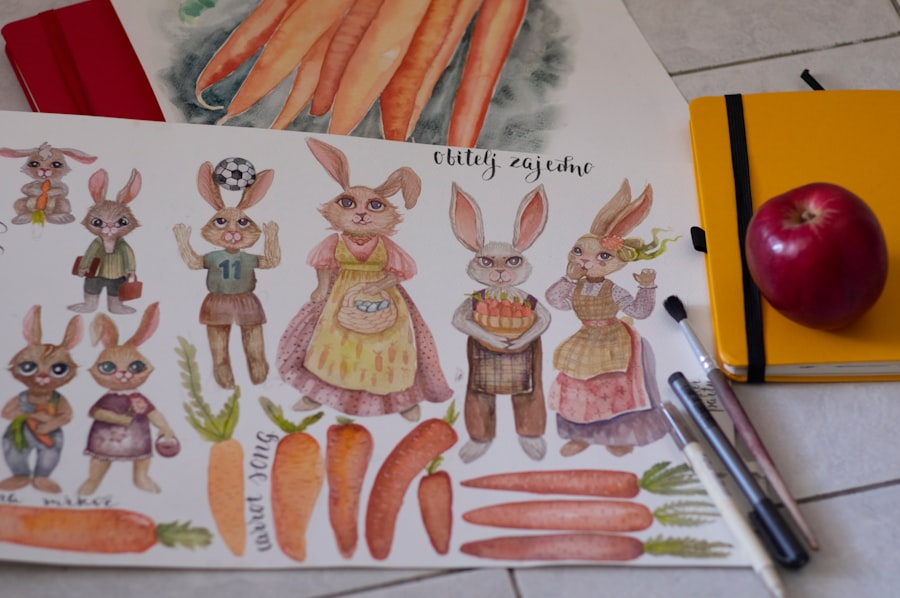
    If you’re looking for some ready-made carrot treats for your bunny, there are plenty of options available. Here are some of the best carrot treats for bunnies:

    1. Carrot chips: These are dehydrated carrot slices that provide a crunchy texture and concentrated carrot flavor.

    2. Carrot cookies: Made with carrot puree and other bunny-friendly ingredients, these cookies are a delicious and nutritious treat for your furry friend.

    3. Carrot and herb mix: This is a blend of dried carrots and herbs that provides a flavorful and aromatic treat for bunnies.

    4. Carrot and apple sticks: These treats combine the sweetness of apples with the crunchiness of carrots, making them irresistible to bunnies.

    Common Carrot-Related Health Issues in Bunnies and How to Prevent Them

    While carrots are a healthy and nutritious treat for bunnies, it’s important to feed them in moderation. Feeding bunnies too many carrots can lead to health issues such as obesity, digestive problems, and dental issues. Here are some tips to prevent these health issues:

    1. Feed carrots as a treat: Carrots should be given as an occasional treat and not as a staple food in your bunny’s diet. Aim to feed your bunny a variety of fresh vegetables, hay, and high-quality pellets to ensure a balanced diet.

    2. Monitor portion sizes: Limit the amount of carrots you feed your bunny to avoid overfeeding. A small slice or a few carrot sticks per day is usually sufficient.

    3. Cut carrots into appropriate sizes: Carrots should be cut into small, bite-sized pieces to prevent choking hazards. Avoid feeding whole carrots or large chunks to your bunny.

    4. Monitor your bunny’s weight: Regularly weigh your bunny to ensure they are maintaining a healthy weight. If you notice any signs of weight gain or obesity, reduce the amount of carrots you feed them.

    Bunny-Approved Carrot Recipes for Humans

    Carrots aren’t just for bunnies – humans can enjoy them too! Here are some carrot-based recipes that are safe for humans to eat:

    1. Carrot soup: Blend cooked carrots with vegetable broth, onions, garlic, and spices to make a delicious and nutritious soup.

    2. Carrot muffins: Add grated carrots to your favorite muffin recipe for a healthy and flavorful twist.

    3. Carrot salad: Shred carrots and mix them with other vegetables, nuts, and a tangy dressing for a refreshing and nutritious salad.

    4. Carrot cake: Indulge in a classic carrot cake made with grated carrots, spices, and a creamy cream cheese frosting.

    Carrot-Related Toys and Accessories for Bunnies

    To keep your bunny entertained and mentally stimulated, there are various carrot-related toys and accessories available. Here are some options:

    1. Carrot chew toys: These toys are made from safe, non-toxic materials and provide a satisfying chewing experience for bunnies.

    2. Carrot-shaped treat dispensers: Fill these toys with small treats or pellets to encourage your bunny to play and work for their food.

    3. Carrot-themed bedding: Add some fun to your bunny’s living space with carrot-themed bedding or blankets.

    4. Carrot-shaped hideouts: Bunnies love having a cozy place to hide and relax. Carrot-shaped hideouts provide a safe and comfortable space for your bunny to retreat to.

    Bunny Bonanza: Carrots Galore! – A Healthy and Fun Way to Treat Your Bunny.

    In conclusion, carrots are not only a tasty treat but also an essential part of a bunny’s diet. They provide essential nutrients, contribute to dental health, and offer numerous health benefits for bunnies. Whether you choose to grow your own carrots or purchase them from the store, it’s important to feed them in moderation and monitor your bunny’s overall health.

    Get creative with how you serve carrots to your bunny – from carrot sticks to carrot puree, there are many ways to incorporate this nutritious vegetable into your bunny’s diet. Just remember to avoid overfeeding and monitor portion sizes to prevent any health issues.

    So go ahead, treat your bunny to some carrot goodness and watch them hop with joy! Bunny Bonanza: Carrots Galore! is a healthy and fun way to show your bunny some love.

    FAQs

    What are bunnies?

    Bunnies, also known as rabbits, are small mammals with long ears, short tails, and soft fur. They are herbivores and are known for their ability to reproduce quickly.

    What are carrots?

    Carrots are root vegetables that are commonly orange in color, but can also be found in other colors such as purple, white, and yellow. They are a good source of vitamins and minerals, particularly vitamin A.

    Do bunnies eat carrots?

    Yes, bunnies can eat carrots as part of their diet. However, it is important to note that carrots should not be the only food that bunnies eat, as they need a balanced diet that includes hay, fresh vegetables, and water.

    Why are bunnies associated with carrots?

    Bunnies are often associated with carrots because of their depiction in popular culture, such as in cartoons and children’s books. Additionally, carrots are a common food that bunnies eat, which may have contributed to the association.

    Can carrots be harmful to bunnies?

    While carrots are generally safe for bunnies to eat, they should be given in moderation as they are high in sugar. Too many carrots can lead to digestive issues and obesity in bunnies. It is important to provide a balanced diet for bunnies that includes a variety of vegetables and hay.

    What other foods do bunnies eat?

    Bunnies eat a variety of foods, including hay, fresh vegetables, and water. Some examples of vegetables that bunnies can eat include leafy greens, broccoli, and bell peppers. It is important to research and provide a balanced diet for bunnies to ensure their health and well-being.
  • Bunny’s Delight: The Ultimate Guide to Rabbit Food

    Bunny’s Delight: The Ultimate Guide to Rabbit Food

    Proper nutrition is essential for the health and well-being of rabbits. Just like any other pet, rabbits require a balanced diet to thrive. However, many rabbit owners are unsure of what exactly constitutes a healthy diet for their furry friends. That’s where Bunny’s Delight comes in. Bunny’s Delight is a comprehensive guide to rabbit food that aims to provide rabbit owners with all the information they need to ensure their pets are getting the nutrition they need.

    Key Takeaways

    • Bunny’s Delight is the ultimate guide to rabbit food.
    • Understanding the nutritional requirements of rabbits is crucial.
    • Hay is the foundation of a healthy rabbit diet.
    • Variety is important when it comes to vegetables and fruits for rabbits.
    • Choosing the right type and amount of pellets is essential for your rabbit’s health.

    Nutritional Requirements of Rabbits: Understanding the Basics

    Rabbits have specific nutritional needs that must be met in order for them to stay healthy. One of the most important components of a rabbit’s diet is fiber. Fiber is essential for maintaining a healthy digestive system and preventing issues such as gastrointestinal stasis. In addition to fiber, rabbits also require protein, vitamins, and minerals to support their overall health.

    Hay: The Foundation of a Healthy Rabbit Diet

    Hay is an essential component of a rabbit’s diet. It provides the necessary fiber for proper digestion and helps wear down their constantly growing teeth. There are several types of hay available, including timothy hay, orchard grass hay, and alfalfa hay. It’s important to choose the right type of hay for your rabbit based on their age and specific dietary needs.

    Vegetables and Fruits: The Importance of Variety in Rabbit Food

    Vegetables and Fruits Importance of Variety in Rabbit Food
    Carrots Rich in vitamin A, good for vision and immune system
    Kale High in fiber, calcium, and vitamin C, good for digestion and bone health
    Apples Contain antioxidants and fiber, good for dental health and digestion
    Bananas Rich in potassium and vitamin C, good for heart health and immune system
    Broccoli High in fiber and vitamin C, good for digestion and immune system
    Blueberries Contain antioxidants and vitamin C, good for brain health and immune system

    In addition to hay, rabbits should also be offered a variety of vegetables and fruits as part of their diet. These foods provide important vitamins and minerals that are necessary for their overall health. Some safe vegetables for rabbits include leafy greens like kale and spinach, as well as carrots and bell peppers. When it comes to fruits, it’s important to offer them in moderation due to their high sugar content.

    Pellets: Choosing the Right Type and Amount for Your Rabbit

    Pellets can be a convenient way to ensure that your rabbit is getting all the necessary nutrients in their diet. However, it’s important to choose the right type of pellets and feed them in the appropriate amount. Look for pellets that are specifically formulated for rabbits and avoid those that contain added sugars or artificial ingredients. The amount of pellets to feed your rabbit will depend on their age, size, and activity level.

    Treats: How to Incorporate Them into Your Rabbit’s Diet Without Overdoing It

    Treats can be a fun way to bond with your rabbit and provide them with some extra enrichment. However, it’s important to offer treats in moderation to avoid health problems. Some safe treats for rabbits include small pieces of fruits or vegetables, as well as commercial rabbit treats that are specifically formulated for their dietary needs. Avoid giving your rabbit treats that are high in sugar or fat, as these can lead to weight gain and other health issues.

    Water: Why It’s Vital for Your Rabbit’s Health and How to Ensure They Get Enough

    Water is essential for a rabbit’s health and well-being. It helps regulate their body temperature, aids in digestion, and keeps their organs functioning properly. Make sure your rabbit has access to clean, fresh water at all times. You can provide water in a bowl or use a water bottle designed specifically for rabbits. It’s important to regularly check and clean the water container to ensure it is free from bacteria or algae.

    Feeding Schedule: Establishing a Routine for Your Rabbit’s Meals

    Establishing a consistent feeding schedule is important for rabbits. They thrive on routine and knowing when their next meal is coming can help reduce stress and anxiety. Aim to feed your rabbit at the same time each day and provide fresh hay and water throughout the day. This will help ensure that your rabbit is getting the nutrition they need and prevent overeating.

    Special Diets: Catering to Specific Needs and Health Concerns

    In some cases, rabbits may require a special diet to address specific health concerns or dietary needs. For example, rabbits with dental issues may need softer foods or a diet that is higher in fiber. If your rabbit has any health issues, it’s important to consult with a veterinarian to determine the best course of action and make any necessary modifications to their diet.

    Common Mistakes to Avoid When Feeding Your Rabbit: Tips for Keeping Your Bunny Healthy and Happy

    There are several common mistakes that rabbit owners make when it comes to feeding their pets. One of the most common mistakes is overfeeding pellets, which can lead to obesity and other health issues. It’s important to follow the recommended guidelines for pellet feeding and adjust the amount based on your rabbit’s individual needs. Another common mistake is offering too many treats, which can also contribute to weight gain and other health problems. Remember to offer treats in moderation and choose healthy options that are low in sugar and fat.

    In conclusion, proper nutrition is essential for the health and well-being of rabbits. Bunny’s Delight is a comprehensive guide to rabbit food that aims to provide rabbit owners with all the information they need to ensure their pets are getting the nutrition they need. From hay and vegetables to pellets and treats, Bunny’s Delight covers all aspects of a rabbit’s diet. By following the guidelines provided in this guide, you can help keep your bunny healthy and happy for years to come.

    FAQs

    What kind of food should I feed my bunny?

    Bunnies should be fed a diet that consists mainly of hay, fresh vegetables, and a small amount of pellets. Treats should be given sparingly.

    What kind of hay should I give my bunny?

    Bunnies should be given grass hay, such as timothy hay or orchard grass. Alfalfa hay should only be given to young bunnies or pregnant/nursing bunnies.

    What vegetables are safe for bunnies to eat?

    Bunnies can eat a variety of vegetables, including leafy greens like kale, spinach, and romaine lettuce, as well as carrots, bell peppers, and cucumbers. Avoid feeding bunnies starchy vegetables like potatoes and corn.

    How much food should I give my bunny?

    Bunnies should be given unlimited access to hay, and about 1/4 to 1/2 cup of pellets per day. Vegetables should be given in small amounts, about 1-2 cups per day.

    Can bunnies eat fruit?

    Fruit should be given sparingly as a treat, as it is high in sugar. Safe fruits for bunnies include apples, bananas, and berries.

    What foods should I avoid feeding my bunny?

    Bunnies should not be given foods that are high in sugar or fat, such as chocolate, candy, or junk food. They should also not be given foods that are toxic to them, such as avocado, onions, and garlic.

  • Feeding Your Bunny: Essential Foods for a Healthy Rabbit Diet

    Feeding Your Bunny: Essential Foods for a Healthy Rabbit Diet

    A healthy diet is crucial for the well-being of rabbits. Just like humans, rabbits require a balanced diet to ensure they receive all the necessary nutrients for optimal health. A healthy diet for rabbits consists of a combination of hay, fresh vegetables and fruits, pellets, and clean water. Providing your bunny with a nutritious diet can help prevent various health problems and promote overall well-being.

    A balanced diet is essential for rabbits as it provides them with the necessary nutrients to support their growth, development, and overall health. A healthy diet can help prevent obesity, dental problems, digestive issues, and other health problems that can arise from poor nutrition. By feeding your bunny a well-balanced diet, you are ensuring that they receive all the essential vitamins, minerals, and fiber they need to thrive.

    Key Takeaways

    • A healthy rabbit diet consists of hay, fresh vegetables and fruits, pellets, and water.
    • Hay is the foundation of a rabbit’s diet and should make up the majority of their food intake.
    • Fresh vegetables and fruits provide essential nutrients and variety to a rabbit’s diet.
    • Pellets should be given in moderation as a supplementary food for your bunny.
    • Water is crucial for a rabbit’s hydration and overall health.

    Understanding Your Bunny’s Nutritional Needs

    Rabbits have specific nutritional requirements that must be met to ensure their health and well-being. The primary component of a rabbit’s diet should be high-quality hay. Hay provides essential fiber that helps maintain proper digestion and prevents gastrointestinal issues. It also helps wear down their teeth, which continuously grow throughout their lives.
    In addition to hay, rabbits should also be fed fresh vegetables and fruits. These provide additional nutrients and variety to their diet. However, it’s important to introduce new foods gradually to avoid digestive upset. Rabbits have sensitive digestive systems, so sudden changes in their diet can cause gastrointestinal issues.

    Hay: The Foundation of a Rabbit’s Diet

    Hay is an essential component of a rabbit’s diet and should make up the majority of their food intake. There are several types of hay suitable for rabbits, including timothy hay, orchard grass hay, and oat hay. These types of hay are high in fiber and low in calories, making them ideal for maintaining a healthy weight.

    Hay provides several benefits for rabbits. Firstly, it helps maintain proper digestion by keeping the gastrointestinal tract moving. The fiber in hay helps prevent blockages and keeps the digestive system functioning properly. Secondly, hay helps wear down a rabbit’s teeth, which continuously grow throughout their lives. Chewing on hay helps prevent dental problems such as overgrown teeth and malocclusion.

    Fresh Vegetables and Fruits for Optimal Health

    Vegetable/Fruit Nutrient Amount per serving Health Benefits
    Spinach Vitamin K 181% DV Supports bone health and blood clotting
    Broccoli Vitamin C 135% DV Boosts immune system and collagen production
    Carrots Vitamin A 428% DV Improves vision and skin health
    Blueberries Antioxidants 4.4 g Protects against cellular damage and inflammation
    Avocado Healthy fats 21 g Reduces risk of heart disease and improves brain function

    Fresh vegetables and fruits should be included in a rabbit’s diet to provide additional nutrients and variety. However, it’s important to choose the right vegetables and fruits as some can be harmful to rabbits. Safe vegetables for rabbits include leafy greens like romaine lettuce, spinach, and kale, as well as carrots, bell peppers, and broccoli. Safe fruits for rabbits include apples, bananas, strawberries, and blueberries.

    Fresh produce provides several benefits for rabbits. Vegetables and fruits are a good source of vitamins and minerals that are essential for their overall health. They also provide hydration since they have a high water content. However, it’s important to feed vegetables and fruits in moderation as too much can cause digestive upset.

    Pellets: The Supplementary Food for Your Bunny

    Pellets are a supplementary food that can be included in a rabbit’s diet. They should not be the main component of their diet but can provide additional nutrients. When choosing pellets for your bunny, it’s important to select high-quality pellets that are specifically formulated for rabbits. Avoid pellets that contain added sugars or artificial ingredients.

    Pellets provide several benefits for rabbits. They are a concentrated source of nutrients and can help ensure that your bunny receives all the necessary vitamins and minerals. However, it’s important not to overfeed pellets as they can lead to obesity and other health problems. Pellets should only make up a small portion of your bunny’s diet.

    Water: The Importance of Hydration for Rabbits

    Water is essential for the health and well-being of rabbits. It’s important to provide your bunny with clean and fresh water at all times. Rabbits should have access to water 24/7 to ensure they stay hydrated. Dehydration can lead to serious health problems and should be avoided.

    Rabbits require a significant amount of water to maintain proper hydration. On average, a rabbit should consume about 50-150 milliliters of water per kilogram of body weight per day. It’s important to regularly check your bunny’s water bottle or bowl to ensure it is clean and filled with fresh water. Water should be changed daily to prevent bacterial growth.

    Avoiding Foods That Can Harm Your Bunny

    There are several foods that are toxic to rabbits and should be avoided at all costs. These include chocolate, caffeine, alcohol, onions, garlic, avocado, and certain plants like lilies and rhubarb. These foods can cause serious health problems and even be fatal if ingested by rabbits.

    It’s important to keep your bunny safe from harmful foods by ensuring they do not have access to them. Store food items securely and keep them out of reach of your bunny. Be cautious when introducing new foods to your bunny’s diet and research whether they are safe for rabbits before offering them.

    Feeding Schedule and Portion Control for Rabbits

    Establishing a feeding schedule and practicing portion control is important for maintaining a healthy diet for your bunny. Rabbits should be fed twice a day, once in the morning and once in the evening. This helps regulate their digestion and prevents overeating.

    When it comes to portion control, it’s important not to overfeed your bunny. The amount of food your bunny needs will depend on their size, age, and activity level. A general guideline is to feed about 1/4 cup of pellets per 5 pounds of body weight per day. Hay should be available at all times, and fresh vegetables and fruits should be given in moderation.

    Special Dietary Needs for Senior and Ill Rabbits

    Senior rabbits and those with certain health conditions may require special dietary adjustments. As rabbits age, their metabolism slows down, and they may require fewer calories. It’s important to monitor their weight and adjust their portion sizes accordingly.

    Rabbits with certain health conditions, such as dental problems or gastrointestinal issues, may require a modified diet. For example, rabbits with dental problems may need softer foods or hay that is cut into smaller pieces. It’s important to consult with a veterinarian if your bunny has any health issues to determine the best diet for them.

    Tips for Transitioning Your Bunny to a New Diet

    When introducing new foods to your bunny’s diet, it’s important to do so gradually to avoid digestive upset. Start by offering small amounts of the new food and gradually increase the portion size over several days. Monitor your bunny for any signs of digestive upset, such as diarrhea or bloating.

    A smooth transition to a new diet can be achieved by mixing the new food with their current diet. This allows your bunny to become accustomed to the new taste and texture gradually. It’s important to be patient during the transition process and make adjustments as needed based on your bunny’s response.

    In conclusion, a healthy diet is essential for the overall health and well-being of your bunny. By understanding your bunny’s nutritional needs and following a balanced diet, you can help your bunny live a long and healthy life. Providing them with high-quality hay, fresh vegetables and fruits, pellets, and clean water will ensure they receive all the necessary nutrients for optimal health. Remember to avoid harmful foods, establish a feeding schedule, practice portion control, and make any necessary dietary adjustments for senior or ill rabbits. With proper nutrition, you can help your bunny thrive and enjoy a happy and healthy life.

    FAQs

    What kind of food should I feed my rabbit?

    Rabbits should be fed a diet that consists mainly of hay, fresh vegetables, and a small amount of pellets. Treats should be given sparingly.

    What type of hay is best for rabbits?

    Timothy hay is the best type of hay for rabbits. Other types of hay, such as orchard grass or meadow hay, can also be fed.

    What vegetables can rabbits eat?

    Rabbits can eat a variety of vegetables, including leafy greens like kale and spinach, carrots, bell peppers, and broccoli. However, some vegetables, such as iceberg lettuce, should be avoided.

    How much food should I feed my rabbit?

    Rabbits should be fed a small amount of pellets (about 1/4 cup per day) and unlimited hay. Vegetables should be given in moderation, about 1-2 cups per day.

    Can rabbits eat fruit?

    Fruit should be given as a treat and in small amounts. Rabbits can eat fruits such as apples, bananas, and strawberries.

    What foods should I avoid feeding my rabbit?

    Rabbits should avoid foods high in sugar and fat, such as chocolate, candy, and junk food. Foods that are toxic to rabbits, such as avocado and rhubarb, should also be avoided.

  • Bunny’s Best Diet: Nutritious Rabbit Food

    Bunny’s Best Diet: Nutritious Rabbit Food

    A healthy diet is crucial for the overall well-being of rabbits. Just like humans, rabbits require a balanced and nutritious diet to thrive. Bunny’s Best Diet is a high-quality rabbit food brand that provides all the essential nutrients that rabbits need to stay healthy and happy.

    Bunny’s Best Diet understands the importance of providing rabbits with a well-rounded diet that meets their specific nutritional needs. Their products are carefully formulated to ensure that rabbits receive the right balance of proteins, fibers, vitamins, and minerals. With Bunny’s Best Diet, you can be confident that you are providing your rabbit with the best possible nutrition.

    Key Takeaways

    • A balanced diet is crucial for a rabbit’s health and well-being.
    • Hay should be the foundation of a rabbit’s diet, providing essential fiber and nutrients.
    • Vegetables and fruits can add variety to a rabbit’s diet, but should be introduced gradually and in moderation.
    • Pellets can supplement a rabbit’s diet, but should not be the main source of nutrition.
    • Treats should be given sparingly and in moderation, as they can lead to obesity and other health issues.

    The Importance of a Balanced Diet for Rabbits

    An unbalanced diet can have negative effects on rabbits’ health. Rabbits that are not fed a proper diet may suffer from malnutrition, obesity, dental problems, and digestive issues. It is important to provide rabbits with a balanced diet to prevent these health problems and promote their overall well-being.

    A balanced diet for rabbits should consist of hay, vegetables and fruits, pellets, and treats in moderation. Each of these components plays a crucial role in meeting the nutritional needs of rabbits. By providing a balanced diet, you can ensure that your rabbit receives all the essential nutrients they need to thrive.

    Understanding the Nutritional Needs of Rabbits

    Rabbits have specific nutritional needs that must be met in order for them to stay healthy. The main components of a rabbit’s diet should include fiber, protein, vitamins, and minerals.

    Fiber is an essential component of a rabbit’s diet as it helps maintain healthy digestion and prevents gastrointestinal issues. Hay is an excellent source of fiber and should make up the majority of a rabbit’s diet.

    Protein is important for muscle development and growth in rabbits. It is important to provide rabbits with high-quality sources of protein such as pellets or fresh vegetables.

    Vitamins and minerals are necessary for rabbits to maintain good overall health. These nutrients can be found in a variety of vegetables and fruits.

    Hay: The Foundation of a Rabbit’s Diet

    Hay Type Protein Content Fiber Content Calcium Content
    Timothy Hay 8-10% 30-35% 0.4-0.6%
    Orchard Grass Hay 7-9% 28-32% 0.3-0.5%
    Meadow Hay 6-8% 32-36% 0.3-0.5%

    Hay is the foundation of a rabbit’s diet and should make up the majority of their daily food intake. It is an excellent source of fiber, which is essential for maintaining a healthy digestive system in rabbits.

    There are several types of hay that are suitable for rabbits, including timothy hay, orchard grass hay, and oat hay. Each type of hay has its own benefits, but all provide the necessary fiber that rabbits need.

    Timothy hay is the most commonly recommended type of hay for rabbits. It has a high fiber content and is low in calories, making it ideal for maintaining a healthy weight in rabbits. Orchard grass hay is another popular option that provides a good balance of fiber and nutrients. Oat hay is higher in protein and fat compared to other types of hay, making it a good option for young or pregnant rabbits.

    Vegetables and Fruits: Adding Variety to Your Rabbit’s Diet

    In addition to hay, vegetables and fruits should be included in a rabbit’s diet to provide variety and additional nutrients. These foods should be introduced gradually and in small amounts to prevent digestive upset.

    Vegetables such as leafy greens (e.g., kale, spinach, romaine lettuce), bell peppers, carrots, and broccoli are all safe options for rabbits. These vegetables are rich in vitamins and minerals that are essential for a rabbit’s health.

    Fruits should be given as treats in moderation due to their high sugar content. Safe fruits for rabbits include apples, bananas, berries, and melons. It is important to remove any seeds or pits from fruits before feeding them to your rabbit.

    Pellets: A Supplement to Your Rabbit’s Diet

    Pellets can be used as a supplement to a rabbit’s diet to ensure they are receiving all the necessary nutrients. However, pellets should not be the main component of a rabbit’s diet and should be fed in moderation.

    When choosing pellets for your rabbit, opt for high-quality brands that are specifically formulated for rabbits. These pellets should be made from natural ingredients and free from artificial additives or fillers.

    Pellets should be fed in small amounts to prevent overfeeding and obesity. The amount of pellets to feed will depend on the size and age of your rabbit. It is important to follow the recommended feeding guidelines provided by the manufacturer.

    Treats for Rabbits: Moderation is Key

    Treats can be a fun way to bond with your rabbit and provide them with additional enrichment. However, it is important to feed treats in moderation to prevent weight gain and other health issues.

    Safe treats for rabbits include small pieces of fruits, vegetables, or herbs. It is important to avoid giving rabbits treats that are high in sugar or fat, as these can be harmful to their health.

    When feeding treats, it is best to offer them as rewards during training sessions or as a special treat on occasion. Remember that treats should not make up more than 10% of a rabbit’s daily food intake.

    Water: Essential for a Healthy Rabbit

    Water is an essential component of a rabbit’s diet and should always be available to them. Rabbits need access to fresh, clean water at all times to stay hydrated and maintain good overall health.

    It is important to provide water in a clean bowl or water bottle that is easily accessible to your rabbit. The water container should be checked and refilled daily to ensure that your rabbit always has access to fresh water.

    If you notice that your rabbit is not drinking enough water, it may be helpful to offer them water-rich vegetables such as cucumber or celery. This can help increase their water intake and prevent dehydration.

    Feeding Schedule: How Often Should You Feed Your Rabbit?

    Establishing a consistent feeding schedule is important for rabbits. Rabbits thrive on routine and can become stressed or anxious if their feeding schedule is inconsistent.

    Adult rabbits should be fed twice a day, once in the morning and once in the evening. It is best to feed them at the same times each day to establish a routine.

    The amount of food to feed will depend on the size, age, and activity level of your rabbit. It is important to monitor your rabbit’s weight and adjust their food intake accordingly to prevent obesity or malnutrition.

    Special Diets for Rabbits with Health Conditions

    Some rabbits may require a special diet to manage certain health conditions. For example, rabbits with dental problems may need softer foods or hay alternatives that are easier to chew.

    Rabbits with gastrointestinal issues may benefit from a diet that is higher in fiber and lower in carbohydrates. This can help promote healthy digestion and prevent further digestive problems.

    If your rabbit has a health condition, it is important to consult with a veterinarian who can provide guidance on the best diet for your rabbit’s specific needs.

    In conclusion, a healthy diet is essential for a happy and healthy rabbit. By understanding the nutritional needs of rabbits and providing a balanced diet that includes hay, vegetables and fruits, pellets, and treats in moderation, you can ensure your rabbit is getting the nutrients they need to thrive. Additionally, it’s important to provide fresh water and stick to a consistent feeding schedule. For rabbits with health conditions, a special diet may be necessary to manage their condition. Bunny’s Best Diet offers a high-quality rabbit food option that can help ensure your rabbit is getting the nutrients they need.

    FAQs

    What is bunny rabbit food?

    Bunny rabbit food is a type of food that is specifically formulated for rabbits. It is designed to provide them with the nutrients they need to stay healthy and happy.

    What are the main ingredients in bunny rabbit food?

    The main ingredients in bunny rabbit food typically include hay, pellets, and fresh vegetables. Some brands may also include fruits, seeds, and other ingredients.

    Why is hay important in bunny rabbit food?

    Hay is an important part of bunny rabbit food because it provides rabbits with the fiber they need to maintain healthy digestion. It also helps to wear down their teeth, which grow continuously throughout their lives.

    What types of vegetables are good for rabbits?

    Some vegetables that are good for rabbits include carrots, kale, spinach, parsley, and cilantro. It is important to introduce new vegetables slowly and in small amounts to avoid upsetting their digestive system.

    Can rabbits eat fruits?

    Yes, rabbits can eat fruits, but they should be given in moderation as they are high in sugar. Some fruits that are safe for rabbits include apples, bananas, and berries.

    How much bunny rabbit food should I give my rabbit?

    The amount of bunny rabbit food you should give your rabbit depends on their age, weight, and activity level. As a general rule, adult rabbits should be given 1/4 to 1/2 cup of pellets per day, along with unlimited hay and fresh vegetables.

    Can I give my rabbit treats?

    Yes, you can give your rabbit treats, but they should be given in moderation. Some good treats for rabbits include small pieces of fruit, fresh herbs, and commercial rabbit treats. Avoid giving your rabbit sugary or fatty treats.

  • What Do Rabbits Eat? A Guide to Their Diet

    What Do Rabbits Eat? A Guide to Their Diet

    Rabbits, like any other animal, require a balanced diet to stay healthy and thrive. A proper diet is essential for their growth, development, and overall well-being. It is important for rabbit owners to understand the nutritional needs of their pets in order to provide them with the right food and ensure their long-term health.

    Rabbits are herbivores, which means their diet should consist mainly of plant-based foods. They have specific nutritional requirements that need to be met in order for them to stay healthy. These requirements include a high fiber content, a moderate amount of protein, and a low amount of fat. It is also important for rabbits to have access to fresh water at all times.

    Key Takeaways

    • Rabbits have specific nutritional needs that must be met to keep them healthy and happy.
    • Grass and hay should make up the majority of a rabbit’s diet, as they provide essential fiber and nutrients.
    • Vegetables and fruits can add variety to a rabbit’s diet, but should be introduced gradually and in moderation.
    • Pellets can be a convenient source of essential nutrients, but should not be the sole focus of a rabbit’s diet.
    • Water is a vital component of a rabbit’s diet and should be available at all times.

    Grass and Hay: The Foundation of a Rabbit’s Diet

    Grass and hay are the foundation of a rabbit’s diet and should make up the majority of their food intake. These foods are essential for rabbits because they provide the necessary fiber for proper digestion and help wear down their constantly growing teeth.

    There are several types of hay that are suitable for rabbits, including timothy hay, orchard grass hay, and oat hay. These hays are high in fiber and low in protein and fat, making them ideal for rabbits. It is important to choose good quality hay that is fresh and free from mold or dust.

    Rabbits should have unlimited access to grass and hay throughout the day. They should be provided with fresh hay daily and any uneaten hay should be removed and replaced. The amount of grass and hay a rabbit needs will depend on its size, age, and activity level.

    Vegetables and Fruits: Adding Variety to Rabbit’s Diet

    In addition to grass and hay, rabbits can also benefit from a variety of vegetables and fruits in their diet. These foods provide additional nutrients and help add variety to their meals.

    Some nutritious vegetables for rabbits include leafy greens like kale, spinach, and romaine lettuce. Other vegetables that can be fed in moderation include carrots, bell peppers, and broccoli. It is important to introduce new vegetables slowly and in small quantities to avoid digestive upset.

    Fruits can also be given to rabbits as a treat, but they should be fed sparingly due to their high sugar content. Some safe fruits for rabbits include apples, strawberries, and blueberries. These fruits should be given in small amounts and only occasionally.

    The amount of vegetables and fruits a rabbit should consume will depend on its size and age. It is important to monitor their intake and make sure they are not consuming too much sugar or causing digestive issues.

    Pellets: The Convenient Source of Essential Nutrients

    Essential Nutrients Amount per 100g
    Protein 25g
    Fiber 8g
    Iron 18mg
    Calcium 50mg
    Vitamin B12 24mcg

    Pellets are a convenient source of essential nutrients for rabbits. They are specially formulated to provide the necessary vitamins and minerals that rabbits need to stay healthy. Pellets can be a good addition to a rabbit’s diet, but they should not be the main source of food.

    There are different types of pellets available for rabbits, including timothy-based pellets and alfalfa-based pellets. Timothy-based pellets are recommended for adult rabbits, while alfalfa-based pellets are more suitable for young rabbits or pregnant or nursing rabbits.

    The amount of pellets a rabbit should consume will depend on its size and age. It is important to follow the feeding guidelines on the pellet packaging and adjust the amount as needed. Pellets should be fed in moderation to prevent obesity and other health issues.

    Water: The Vital Component of Rabbit’s Diet

    Water is a vital component of a rabbit’s diet and should be available at all times. Rabbits need access to clean and fresh water in order to stay hydrated and maintain proper bodily functions.

    It is important to ensure that your rabbit is drinking enough water by monitoring their water intake. A healthy rabbit should drink about 50-150 ml of water per kilogram of body weight per day. If you notice that your rabbit is not drinking enough water, it is important to consult a veterinarian as this could be a sign of an underlying health issue.

    To provide clean and fresh water for your rabbit, it is recommended to use a water bottle or a heavy ceramic bowl. The water should be changed daily to prevent bacteria growth and ensure its freshness. It is also important to clean the water bottle or bowl regularly to maintain hygiene.

    Treats: The Occasional Snacks for Your Bunny

    Treats can be a fun way to bond with your rabbit and provide them with some extra enjoyment. However, it is important to choose treats that are safe and healthy for rabbits.

    Some suitable treats for rabbits include small pieces of fruits or vegetables, such as apple slices or carrot sticks. It is important to give treats in moderation and not exceed 10% of their daily food intake. Too many treats can lead to obesity and other health issues.

    It is also important to avoid giving rabbits treats that are high in sugar or fat, as these can be harmful to their health. Avoid giving them chocolate, candy, or any other human foods that are not specifically made for rabbits.

    Foods to Avoid: Harmful Foods for Rabbits

    There are certain foods that are toxic to rabbits and should be avoided at all costs. These foods can cause serious health issues and even be fatal to rabbits.

    Some foods that are toxic to rabbits include chocolate, caffeine, onions, garlic, avocado, and rhubarb. These foods can cause digestive problems, liver damage, or even death in rabbits. It is important to keep these foods away from your rabbit and ensure they do not have access to them.

    In addition to toxic foods, there are also certain foods that can cause digestive problems in rabbits. These include high-sugar foods, high-fat foods, and foods that are difficult to digest. It is important to avoid feeding rabbits foods that can cause digestive upset or lead to obesity.

    Feeding Schedule: How Often and How Much to Feed Your Rabbit

    Establishing a feeding schedule is important to ensure that your rabbit is getting the right amount of food and nutrients. The frequency and amount of food will depend on your rabbit’s age, weight, and activity level.

    Adult rabbits should be fed twice a day, once in the morning and once in the evening. They should have access to grass and hay at all times. The amount of grass and hay they need will depend on their size, but a general guideline is to provide them with a pile of hay that is about the size of their body.

    In addition to grass and hay, adult rabbits should be given a small amount of vegetables and fruits daily. The amount will depend on their size, but a general guideline is to give them about 1 cup of vegetables per 2 pounds of body weight.

    Young rabbits, pregnant rabbits, and nursing rabbits have different nutritional needs and may require more frequent feedings or additional food. It is important to consult a veterinarian for specific feeding guidelines for these rabbits.

    Special Diets: Catering to the Needs of Pregnant, Nursing, and Senior Rabbits

    Pregnant and nursing rabbits have increased nutritional needs due to the demands of pregnancy and lactation. It is important to provide them with a diet that is high in fiber, protein, and calcium.

    Pregnant and nursing rabbits should be given unlimited access to grass and hay, as well as an increased amount of pellets. They should also be given additional vegetables and fruits to ensure they are getting enough nutrients.

    Senior rabbits may have different nutritional needs due to age-related health issues. They may require a diet that is lower in protein and higher in fiber to support their digestive health. It is important to consult a veterinarian for specific dietary recommendations for senior rabbits.

    Keeping Your Rabbit Healthy and Happy with a Balanced Diet

    In conclusion, a balanced diet is essential for keeping your rabbit healthy and happy. Grass and hay should make up the majority of their diet, with vegetables, fruits, and pellets added for variety and additional nutrients. Water should be available at all times, and treats should be given in moderation. It is important to avoid toxic foods and foods that can cause digestive problems in rabbits. By following these guidelines and consulting a veterinarian for specific dietary recommendations, you can ensure that your rabbit is getting the nutrition they need to thrive.

    FAQs

    What do rabbits eat?

    Rabbits are herbivores and primarily eat hay, fresh vegetables, and fruits.

    What kind of hay do rabbits eat?

    Rabbits eat different types of hay, including timothy hay, orchard grass hay, and alfalfa hay. Timothy hay is the most common type of hay for adult rabbits.

    What vegetables can rabbits eat?

    Rabbits can eat a variety of vegetables, including leafy greens like kale, spinach, and lettuce, as well as carrots, broccoli, and bell peppers.

    Can rabbits eat fruits?

    Yes, rabbits can eat fruits, but they should be given in moderation as they are high in sugar. Some safe fruits for rabbits include apples, bananas, and strawberries.

    Do rabbits need to drink water?

    Yes, rabbits need to drink water to stay hydrated. They should have access to fresh, clean water at all times.

    Can rabbits eat commercial rabbit food?

    Yes, rabbits can eat commercial rabbit food, but it should not be their only source of nutrition. It is important to supplement their diet with hay and fresh vegetables.

    What foods should rabbits avoid?

    Rabbits should avoid foods that are high in sugar, fat, or starch, as well as foods that are toxic to them, such as chocolate, avocado, and onions.

  • Adopting a Bunny: A Guide to Finding Your Furry Friend

    Adopting a Bunny: A Guide to Finding Your Furry Friend

    Adopting a bunny as a pet can be a wonderful and rewarding experience. Bunnies are known for their adorable appearance and gentle nature, making them great companions for individuals and families alike. In addition to their cuteness, bunnies offer a range of benefits as pets. They can provide comfort, companionship, and even help reduce stress. If you’re considering adding a furry friend to your family, a bunny might be the perfect choice.

    Key Takeaways

    • Adopting a bunny can be a great idea for those looking for a low-maintenance pet.
    • Bunny ownership requires responsibility, including providing proper nutrition and health care.
    • Choosing the right bunny for your lifestyle is important, considering factors such as breed and personality.
    • Preparing your home for a new bunny involves creating a safe and comfortable living space.
    • Bunny-proofing your space is crucial to prevent damage and ensure your bunny’s safety.

    Why Adopting a Bunny is a Great Idea

    Bunnies have unique qualities that make them great pets. They are intelligent, curious, and can be easily trained. Bunnies are also social animals and enjoy spending time with their human companions. Unlike other pets, such as dogs or cats, bunnies can be kept indoors, making them suitable for individuals who live in apartments or have limited outdoor space.

    One of the advantages of owning a bunny is that they are low-maintenance pets. They don’t require daily walks like dogs or constant attention like some other pets. Bunnies are independent animals that can entertain themselves for hours with toys and tunnels. However, they still need regular interaction and playtime with their owners to stay happy and healthy.

    Understanding the Responsibilities of Bunny Ownership

    While bunnies may be low-maintenance compared to other pets, they still require commitment and care. Bunny ownership comes with financial responsibilities, including providing food, bedding, toys, and regular veterinary care. It’s important to budget for these expenses before bringing a bunny into your home.

    Proper care is essential for a bunny’s physical and emotional well-being. This includes providing a balanced diet of fresh vegetables, hay, and pellets, as well as ensuring they have access to clean water at all times. Bunnies also need regular exercise to prevent obesity and maintain good health. Additionally, bunnies are social animals that thrive on companionship, so it’s important to spend quality time with them and provide mental stimulation.

    Choosing the Right Bunny for Your Lifestyle

    Bunny Breed Size Temperament Exercise Needs Grooming Needs
    Holland Lop Small Gentle, Affectionate Low Medium
    Flemish Giant Large Calm, Docile High Low
    Netherland Dwarf Small Active, Curious Medium Low
    Angora Medium Independent, Playful Medium High

    When choosing a bunny, it’s important to consider the different breeds and their characteristics. Some breeds are more active and require more space to roam, while others are more laid-back and can adapt well to smaller living spaces. It’s important to choose a bunny that fits your lifestyle and personality to ensure a good match.

    It’s also crucial to adopt from a reputable source, such as a rescue organization or a responsible breeder. Avoid purchasing bunnies from pet stores, as they often come from mass breeding facilities where the animals may not receive proper care or socialization. By adopting from a reputable source, you can ensure that your bunny has been well-cared for and is in good health.

    Preparing Your Home for a New Bunny

    Before bringing your new bunny home, it’s important to prepare your living space. Bunnies need a safe and comfortable environment to thrive. You’ll need to gather the necessary supplies, such as a cage or enclosure, bedding, food dishes, litter box, toys, and grooming tools.

    Setting up a bunny’s living space involves creating a comfortable and stimulating environment. Bunnies need plenty of space to hop around and explore. Provide them with hiding spots, tunnels, and toys to keep them entertained. It’s also important to ensure that their living area is clean and free of hazards.

    Bunny-Proofing Your Space

    Bunnies are curious creatures that love to explore their surroundings. However, this can sometimes lead to accidents or injuries if their environment is not properly bunny-proofed. Before allowing your bunny to roam freely in your home, it’s important to identify potential hazards and take steps to prevent accidents.

    Some common hazards include electrical cords, toxic plants, small objects that can be swallowed, and open windows or doors. It’s important to secure electrical cords out of reach, remove any toxic plants from your bunny’s reach, and keep small objects off the floor. Additionally, make sure all windows and doors are securely closed to prevent your bunny from escaping or getting injured.

    Feeding and Nutrition for Your Bunny

    Proper nutrition is essential for a bunny’s health and well-being. Bunnies have specific dietary needs that must be met to ensure they receive all the necessary nutrients. Their diet should consist of a variety of fresh vegetables, high-quality hay, and a small amount of pellets.

    Fresh water should be available to your bunny at all times. Bunnies also need access to hay, as it helps maintain their dental health and provides essential fiber for their digestive system. It’s important to provide a balanced diet and avoid overfeeding or feeding them foods that are harmful to their health.

    Grooming and Health Care for Your Bunny

    Bunnies have specific grooming needs that must be attended to regularly. They have delicate fur that can become matted if not properly cared for. Regular brushing helps remove loose fur and prevents matting. Additionally, bunnies need regular nail trims to prevent overgrowth and discomfort.

    Regular veterinary care is also important for a bunny’s health. They should receive annual check-ups and vaccinations to protect against common diseases. It’s important to find a veterinarian who specializes in exotic animals or has experience with bunnies to ensure they receive the best care possible.

    Bonding with Your Bunny: Tips for Building a Strong Relationship

    Building a strong bond with your bunny is essential for their well-being and happiness. Bunnies are social animals that enjoy spending time with their human companions. It’s important to spend quality time with your bunny every day, engaging in activities such as petting, grooming, and playing.

    Bunnies also enjoy mental stimulation, so providing them with toys and puzzles can help keep them entertained. It’s important to be patient and gentle when interacting with your bunny, as they can be sensitive creatures. Building a strong relationship takes time and effort, but the rewards are well worth it.

    Introducing Your Bunny to Other Pets

    If you have other pets in your home, it’s important to introduce them to your new bunny slowly and carefully. Bunnies are prey animals, so they may feel threatened by other animals. It’s important to supervise all interactions between your bunny and other pets to ensure their safety.

    Start by allowing your pets to sniff each other through a barrier, such as a baby gate or a crate. Gradually increase their exposure to each other while closely monitoring their behavior. If any signs of aggression or stress are observed, separate the animals and consult with a professional trainer or behaviorist for guidance.

    Finding Support and Resources for Bunny Owners

    Being a bunny owner comes with its own set of challenges and questions. It’s important to find support and resources to help you navigate the world of bunny ownership. Local bunny groups and online communities can provide valuable advice, tips, and support from experienced bunny owners.

    These communities can also provide information on local events, workshops, and resources for bunny owners. Connecting with other bunny owners can be a great way to share experiences, learn from others, and find support during challenging times.

    Adopting a bunny as a pet can be a wonderful experience that brings joy and companionship into your life. Bunnies have unique qualities that make them great pets, including their intelligence, curiosity, and low-maintenance nature. However, bunny ownership also comes with responsibilities, such as providing proper care, nutrition, and socialization.

    By choosing the right bunny for your lifestyle, preparing your home, and providing proper care, you can ensure that your bunny has a happy and healthy life. Building a strong bond with your bunny through play and interaction is also important for their well-being. Remember to seek support and resources from local bunny groups and online communities to help you along your bunny ownership journey.

    FAQs

    What is bunny adoption?

    Bunny adoption is the process of taking responsibility for a rabbit by providing it with a safe and loving home.

    Why should I adopt a bunny?

    Adopting a bunny can provide companionship, improve mental health, and teach responsibility. Additionally, adopting a bunny can save a life and help reduce the number of rabbits in shelters.

    What should I consider before adopting a bunny?

    Before adopting a bunny, you should consider your lifestyle, living situation, and financial ability to care for a rabbit. You should also research the specific needs and behaviors of rabbits to ensure that you can provide them with proper care.

    Where can I adopt a bunny?

    You can adopt a bunny from animal shelters, rescue organizations, or through private adoptions. It is important to research and choose a reputable organization or individual to ensure that the bunny is healthy and has been properly cared for.

    What is the adoption process like?

    The adoption process typically involves filling out an application, meeting with the bunny, and completing an adoption contract. Some organizations may also require a home visit to ensure that the bunny will be living in a safe environment.

    What kind of care do bunnies need?

    Bunnies require daily exercise, a healthy diet, and regular veterinary check-ups. They also need a safe and comfortable living space, as well as socialization and mental stimulation. It is important to research and understand the specific needs of your bunny to ensure that they are properly cared for.

  • The Adorable Charm of Floppy Eared Bunnies: A Guide to Caring for Your Furry Friend

    The Adorable Charm of Floppy Eared Bunnies: A Guide to Caring for Your Furry Friend

    Floppy eared bunnies have become increasingly popular as pets in recent years. Their adorable appearance and gentle nature make them irresistible to many people. The appeal of floppy eared bunnies lies not only in their cute looks but also in their docile temperament and ability to form strong bonds with their owners.

    One of the main reasons why floppy eared bunnies are so appealing is their appearance. Their long, droopy ears give them a unique and endearing look that is hard to resist. These floppy ears are not only cute but also serve a purpose. They help bunnies regulate their body temperature by dissipating heat, making them well-suited for warmer climates.

    In addition to their appearance, floppy eared bunnies are known for their gentle and friendly nature. They are generally calm and easygoing, which makes them great companions for both individuals and families. Floppy eared bunnies are also highly social animals and enjoy interacting with their owners. They can form strong bonds with humans and often seek out affection and attention.

    Key Takeaways

    • Floppy eared bunnies are popular pets due to their cute and cuddly appearance.
    • When choosing a bunny, consider their breed and characteristics to ensure a good fit for your lifestyle.
    • Creating a safe and comfortable home for your bunny involves providing adequate space, hiding spots, and litter boxes.
    • A healthy and balanced diet for your bunny includes hay, fresh vegetables, and limited pellets.
    • Grooming your bunny involves regular brushing and nail trimming, as well as checking for any health issues.

    Choosing the Right Bunny: Breeds and Characteristics to Consider

    When choosing a bunny, it is important to consider the different breeds and their characteristics. There are several breeds of bunnies, each with its own unique traits and temperaments. Some popular breeds of floppy eared bunnies include the Holland Lop, Mini Lop, and English Lop.

    The Holland Lop is one of the most popular breeds of floppy eared bunnies. They are known for their small size and compact body shape. Holland Lops have a friendly and outgoing personality, making them great pets for families with children.

    The Mini Lop is another popular breed of floppy eared bunny. They are slightly larger than Holland Lops but still have a compact body shape. Mini Lops are known for their sweet and gentle nature, making them great companions for individuals or families.

    The English Lop is a larger breed of floppy eared bunny. They have long, droopy ears that can reach up to 21 inches in length. English Lops are known for their calm and laid-back temperament, making them great pets for those looking for a more relaxed companion.

    When choosing a bunny, it is important to consider your lifestyle and personality. Some bunnies may require more attention and care than others, so it is important to choose a breed that fits well with your lifestyle. It is also important to consider the space you have available for your bunny and whether or not you have the time and resources to properly care for them.

    Creating a Safe and Comfortable Home for Your Bunny

    Creating a safe and comfortable home for your bunny is essential to their well-being. Bunnies are curious animals and can easily get into trouble if their environment is not properly set up. Here are some tips for creating a bunny-friendly living space:

    1. Provide a spacious enclosure: Bunnies need plenty of space to hop around and explore. A minimum of 4 square feet of space per bunny is recommended, but more is always better. Make sure the enclosure has enough room for your bunny to stretch out and move around comfortably.

    2. Use appropriate bedding: Choose bedding that is safe and comfortable for your bunny. Avoid using cedar or pine shavings, as they can be harmful to bunnies’ respiratory systems. Instead, opt for paper-based bedding or hay.

    3. Provide hiding spots: Bunnies like to have a place to retreat to when they feel scared or overwhelmed. Provide hiding spots such as tunnels or boxes in their enclosure where they can feel safe and secure.

    4. Bunny-proof your home: Bunnies are curious creatures and love to explore their surroundings. Make sure to bunny-proof your home by removing any toxic plants, electrical cords, or other hazards that could harm your bunny.

    5. Provide toys and enrichment: Bunnies need mental stimulation to prevent boredom. Provide toys such as chew toys, tunnels, and puzzle feeders to keep your bunny entertained and engaged.

    Feeding Your Bunny: Tips for a Healthy and Balanced Diet

    Food Type Recommended Amount Frequency
    Hay Unlimited Daily
    Pellets 1/4 cup per 5 lbs of body weight Daily
    Vegetables 1-2 cups per 5 lbs of body weight Daily
    Fruits 1-2 tablespoons per 5 lbs of body weight Occasionally
    Treats Small amounts Occasionally

    Feeding your bunny a healthy and balanced diet is crucial for their overall health and well-being. Bunnies have specific dietary needs and require a diet that is high in fiber and low in sugar. Here are some tips for feeding your bunny:

    1. Hay is the foundation of a bunny’s diet: Hay should make up the majority of your bunny’s diet. It is important to provide unlimited access to fresh, high-quality hay such as timothy hay or orchard grass. Hay helps keep your bunny’s digestive system healthy and prevents dental issues.

    2. Fresh vegetables: Bunnies should also be fed a variety of fresh vegetables daily. Leafy greens such as kale, romaine lettuce, and spinach are good options. It is important to introduce new vegetables slowly to avoid digestive upset.

    3. Limited pellets: Pellets should be fed in moderation as they can be high in calories and sugar. Choose a high-quality pellet that is specifically formulated for bunnies and feed according to the manufacturer’s instructions.

    4. Treats in moderation: Bunnies can enjoy treats in moderation, but it is important to choose healthy options. Fresh fruits such as apples or berries can be given as an occasional treat.

    5. Fresh water: Make sure your bunny always has access to fresh, clean water. Change the water daily to ensure it stays fresh.

    Bunny Grooming 101: Keeping Your Bunny Clean and Well-Maintained

    Grooming your bunny is an important part of their care routine. Regular grooming helps keep your bunny clean and healthy and can also help prevent common health issues such as hairballs. Here are some tips for grooming your bunny:

    1. Brushing: Bunnies have dense fur that can easily become matted if not properly maintained. Regular brushing helps remove loose fur and prevents matting. Use a soft brush or comb to gently brush your bunny’s fur, paying special attention to areas such as the back and hindquarters.

    2. Nail trimming: Bunnies’ nails can grow long and sharp if not regularly trimmed. Trim your bunny’s nails every 4-6 weeks using a pair of small animal nail clippers. Be careful not to cut the quick, which is the blood vessel inside the nail.

    3. Ear cleaning: Bunnies with floppy ears are prone to ear infections, so it is important to keep their ears clean. Use a damp cloth or cotton ball to gently wipe the inside of your bunny’s ears, being careful not to insert anything into the ear canal.

    4. Dental care: Bunnies’ teeth continuously grow throughout their lives, so it is important to provide them with proper dental care. Provide plenty of hay for your bunny to chew on, as this helps wear down their teeth naturally. Regular dental check-ups with a veterinarian are also recommended.

    5. Bathing: Bunnies generally do not require regular baths unless they get particularly dirty or have a medical condition that requires it. If you do need to bathe your bunny, use a gentle rabbit-safe shampoo and make sure to thoroughly dry them afterwards to prevent chilling.

    Bunny Behavior: Understanding Your Floppy Eared Friend’s Habits and Personality

    Understanding your bunny’s behavior is key to building a strong bond with them and providing them with the care they need. Bunnies have unique habits and personalities that can vary from individual to individual. Here are some common behaviors and personality traits of bunnies:

    1. Binkying: Binkying is a behavior commonly seen in bunnies where they jump and twist in the air. It is a sign of happiness and contentment.

    2. Chinning: Bunnies have scent glands on their chin that they use to mark their territory. Chinning is a behavior where bunnies rub their chin on objects to leave their scent.

    3. Thumping: Bunnies will often thump their hind legs on the ground as a warning sign when they sense danger or feel threatened.

    4. Licking: Bunnies will often lick their owners as a sign of affection and to groom them. It is a behavior that shows trust and bonding.

    5. Digging: Bunnies are natural diggers and will often dig at the ground or in their bedding. Providing a digging box or designated digging area can help satisfy this natural behavior.

    Bunnies also have individual personalities that can vary from shy and reserved to outgoing and adventurous. It is important to spend time getting to know your bunny and understanding their unique personality traits. This will help you provide them with the care and attention they need.

    Bunny Playtime: Fun Activities and Toys for Your Bunny’s Entertainment

    Playtime is an important part of a bunny’s daily routine. Bunnies are active animals that need mental and physical stimulation to stay happy and healthy. Here are some fun activities and toys for your bunny’s entertainment:

    1. Tunnel play: Bunnies love to explore tunnels and burrow through them. Provide tunnels made of cardboard or fabric for your bunny to play in.

    2. Puzzle feeders: Puzzle feeders are toys that require your bunny to work for their food. They provide mental stimulation and help prevent boredom.

    3. Chew toys: Bunnies have constantly growing teeth, so it is important to provide them with plenty of chew toys to keep their teeth worn down. Wooden toys or untreated wicker baskets make great chew toys for bunnies.

    4. Hide and seek: Bunnies love to play hide and seek. Hide treats or toys around their enclosure for them to find, or play a game of peek-a-boo with them.

    5. Bonding time: Spending time bonding with your bunny is important for their overall well-being. Sit on the floor with your bunny and let them come to you. Offer treats or gentle pets to reinforce positive interactions.

    Remember to always supervise your bunny during playtime and provide a safe and secure environment for them to play in.

    Bunny Health and Wellness: Common Health Issues and How to Prevent Them

    Like any pet, bunnies can experience health issues from time to time. It is important to be aware of common health issues that bunnies face and take steps to prevent them. Here are some common health issues in bunnies and how to prevent them:

    1. Dental problems: Bunnies’ teeth continuously grow throughout their lives, which can lead to dental issues if not properly maintained. Provide plenty of hay for your bunny to chew on, as this helps wear down their teeth naturally. Regular dental check-ups with a veterinarian are also recommended.

    2. Gastrointestinal stasis: Gastrointestinal stasis, also known as a “gut stasis,” is a common condition in bunnies where their digestive system slows down or stops working altogether. This can be caused by a variety of factors, including a poor diet, lack of exercise, or stress. To prevent gastrointestinal stasis, it is important to provide your bunny with a healthy diet high in fiber, plenty of exercise, and a stress-free environment.

    3. Hairballs: Bunnies groom themselves regularly, which can lead to the ingestion of fur. If too much fur is ingested, it can form hairballs in the digestive system. To prevent hairballs, regularly groom your bunny to remove loose fur and provide plenty of hay for them to chew on, as this helps move fur through their digestive system.

    4. Flystrike: Flystrike is a serious condition where flies lay eggs on a bunny’s fur, which then hatch into maggots and feed on the bunny’s flesh. To prevent flystrike, it is important to keep your bunny’s living area clean and free of feces, as flies are attracted to dirty environments. Regularly check your bunny for any signs of flystrike, such as soiled fur or maggots, and seek veterinary attention immediately if you suspect flystrike.

    5. Heatstroke: Bunnies are sensitive to heat and can easily overheat in hot weather. To prevent heatstroke, make sure your bunny has access to shade and fresh water at all times. Avoid placing their enclosure in direct sunlight and provide a cool surface for them to lie on, such as a ceramic tile.

    Regular veterinary check-ups are also important for maintaining your bunny’s health and catching any potential issues early on.

    Bunny Training: Teaching Your Bunny Basic Commands and Tricks

    Training your bunny can be a fun and rewarding experience for both you and your furry friend. Bunnies are intelligent animals that can learn basic commands and tricks with patience and positive reinforcement. Here are some tips for training your bunny:

    1. Start with basic commands: Begin by teaching your bunny basic commands such as “come” or “stay.” Use a clicker or a verbal cue followed by a treat to reinforce the desired behavior.

    2. Use positive reinforcement: Bunnies respond well to positive reinforcement, so be sure to reward them with treats or praise when they perform the desired behavior. Avoid using punishment or negative reinforcement, as this can cause stress and fear in your bunny.

    3. Keep training sessions short: Bunnies have short attention spans, so it is important to keep training sessions short and frequent. Aim for 5-10 minute sessions a few times a day.

    4. Be patient: Training takes time and patience, so be prepared to repeat commands and reinforce behaviors consistently. Bunnies learn at their own pace, so it is important to be patient and understanding.

    5. Use treats wisely: Treats can be a powerful motivator for bunnies, but it is important to use them wisely. Use small, healthy treats and avoid overfeeding your bunny.

    Remember that training should always be a positive experience for both you and your bunny. If your bunny seems stressed or uninterested, take a break and try again later.

    The Joy of Owning a Floppy Eared Bunny and the Responsibility That Comes with It

    Owning a floppy eared bunny can bring immense joy and companionship into your life. Their adorable appearance, gentle nature, and ability to form strong bonds with their owners make them wonderful pets. However, it is important to remember that owning a bunny also comes with responsibility.

    Bunnies require proper care, attention, and commitment to ensure their health and well-being. They need a safe and comfortable living environment, a healthy diet, regular grooming, mental and physical stimulation, and regular veterinary care. It is important to be a responsible pet owner by providing all of these things for your bunny.
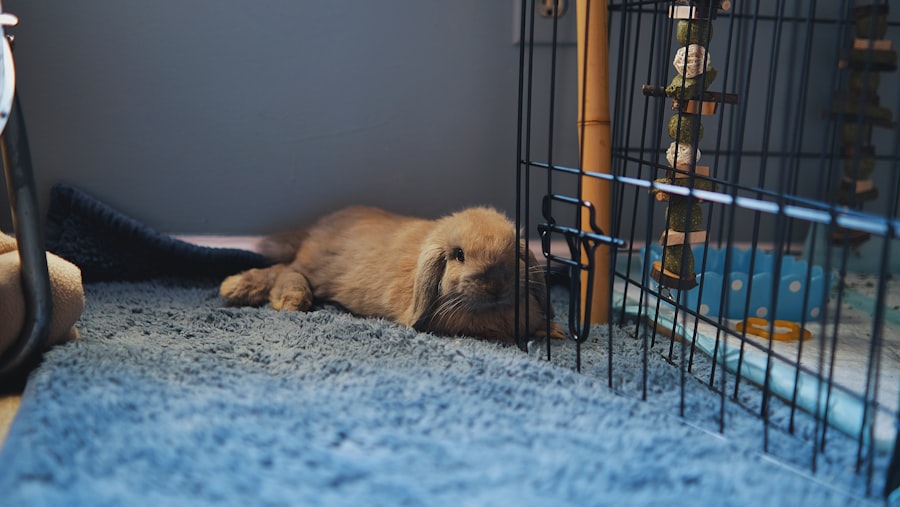
    Owning a bunny is a long-term commitment that can span 10 years or more. Before bringing a bunny into your home, it is important to consider the responsibilities and care that come with owning one. Bunnies require a proper diet, regular exercise, and a safe and comfortable living environment. They also need regular veterinary check-ups and vaccinations to ensure their health and well-being. Additionally, bunnies are social animals and need daily interaction and mental stimulation. It is crucial to have enough time and dedication to provide them with the love and attention they need. Before making the decision to bring a bunny into your home, it is essential to thoroughly research and understand the commitment involved in order to provide them with a happy and fulfilling life.
    FAQs

    What is a floppy eared bunny?

    A floppy eared bunny is a breed of domestic rabbit that has long, droopy ears that hang down on either side of its head.

    What breeds of rabbits have floppy ears?

    Some of the most popular breeds of rabbits with floppy ears include the Holland Lop, the French Lop, the English Lop, and the Mini Lop.

    What is the temperament of a floppy eared bunny?

    Floppy eared bunnies are generally known for being friendly, affectionate, and social animals. They enjoy interacting with their owners and can make great pets.

    What do floppy eared bunnies eat?

    Floppy eared bunnies are herbivores and primarily eat hay, fresh vegetables, and fruits. It is important to provide them with a balanced diet to ensure their health and well-being.
    How do you care for a floppy eared bunny?

    Caring for a floppy eared bunny involves providing them with a clean and spacious living environment, a healthy diet, and regular grooming. They also require regular exercise and socialization to stay happy and healthy.

    What is the lifespan of a floppy eared bunny?

    The lifespan of a floppy eared bunny can vary depending on the breed and their overall health and care. On average, they can live anywhere from 7 to 12 years.

  • The Adorable Lop Eared Bunny: A Guide to Caring for Your Furry Friend

    The Adorable Lop Eared Bunny: A Guide to Caring for Your Furry Friend

    Lop eared bunnies are a popular breed of domestic rabbits known for their distinctive floppy ears. They have been bred for their unique appearance and gentle temperament. Lop eared bunnies originated in France in the 19th century and quickly gained popularity as pets due to their adorable appearance.

    Lop eared bunnies are known for their long, droopy ears that hang down on the sides of their heads. This characteristic gives them a cute and endearing look that many people find irresistible. They come in a variety of colors and patterns, making each bunny unique.

    One of the reasons why lop eared bunnies are so popular as pets is their friendly and docile nature. They are known to be gentle and affectionate, making them great companions for both children and adults. Lop eared bunnies are also intelligent and can be easily trained, which adds to their appeal as pets.

    Key Takeaways

    • Lop eared bunnies are adorable due to their floppy ears and cute personalities.
    • When choosing a home for your lop eared bunny, consider their size and need for space.
    • A balanced diet is crucial for the optimal health of your lop eared bunny.
    • Grooming your lop eared bunny regularly helps keep their fur and ears clean and healthy.
    • Exercise and playtime are important for keeping your lop eared bunny happy and active.

    Choosing the Right Home for Your Lop Eared Bunny: Tips and Considerations

    When bringing a lop eared bunny into your home, it’s important to create a safe and comfortable environment for them. There are several factors to consider when choosing the right home for your bunny.

    Firstly, you need to decide whether your bunny will live indoors or outdoors. While some people choose to keep their bunnies outdoors in a hutch or a secure enclosure, it is generally recommended to keep lop eared bunnies indoors. Indoor living provides better protection from predators, extreme weather conditions, and potential diseases.

    Next, you need to consider the size and setup of your bunny’s cage. Lop eared bunnies need plenty of space to hop around and stretch their legs. The minimum recommended cage size for a lop eared bunny is at least four times their body length. It’s also important to provide them with a comfortable bedding material, such as hay or straw, to keep them warm and cozy.

    Bunny-proofing your home is another important consideration. Lop eared bunnies are curious creatures and love to explore their surroundings. It’s important to remove any potential hazards, such as electrical cords, toxic plants, and small objects that they could swallow. You should also secure any areas where your bunny could potentially escape or get stuck.

    Feeding Your Lop Eared Bunny: A Balanced Diet for Optimal Health

    Proper nutrition is essential for the health and well-being of your lop eared bunny. A balanced diet should consist of hay, fresh vegetables, and high-quality pellets.

    Hay is the most important part of a bunny’s diet. It provides essential fiber that helps maintain a healthy digestive system and prevents dental problems. Timothy hay is the most commonly recommended type of hay for lop eared bunnies.

    In addition to hay, your bunny should also be fed a variety of fresh vegetables. Leafy greens such as romaine lettuce, spinach, and kale are good options. It’s important to introduce new vegetables gradually to avoid digestive upset.

    Pellets should make up a smaller portion of your bunny’s diet. Look for high-quality pellets that are specifically formulated for rabbits. Avoid pellets that contain added sugars or artificial ingredients.

    It’s important to avoid feeding your lop eared bunny certain foods that can be harmful to their health. These include chocolate, caffeine, onions, garlic, and foods high in sugar or salt.

    The amount and frequency of feeding will depend on the age and size of your bunny. Generally, adult lop eared bunnies should be fed about 1/4 to 1/2 cup of pellets per day, along with unlimited access to hay and fresh vegetables.

    Grooming Your Lop Eared Bunny: Keeping Their Fur and Ears Clean and Healthy

    Topic Description
    Fur Brushing Regular brushing helps remove loose fur and prevent matting.
    Ear Cleaning Check and clean your bunny’s ears regularly to prevent infections.
    Nail Trimming Trim your bunny’s nails every 4-6 weeks to prevent overgrowth and discomfort.
    Bathing Bunnies generally do not need baths, but if necessary, use a gentle shampoo and avoid getting water in their ears.
    Professional Grooming If you are unable to groom your bunny yourself, consider taking them to a professional groomer.

    Lop eared bunnies have long, dense fur that requires regular grooming to keep it clean and free from mats. Brushing and combing your bunny’s fur is an important part of their grooming routine.

    Use a soft brush or comb to gently remove any loose fur and prevent matting. Start at the top of your bunny’s head and work your way down to their tail, being careful not to pull on their fur or ears. Regular brushing will help keep your bunny’s coat clean and reduce the risk of hairballs.

    Trimming your bunny’s nails is another important aspect of grooming. Overgrown nails can cause discomfort and make it difficult for your bunny to hop and move around. Use a pair of small animal nail clippers to carefully trim the tips of your bunny’s nails, being careful not to cut too close to the quick.

    Cleaning your bunny’s ears is also important to prevent ear infections. Use a damp cloth or cotton ball to gently wipe away any dirt or debris from the inside of their ears. Avoid using cotton swabs, as they can cause injury to your bunny’s delicate ears.

    Bathing your lop eared bunny should only be done when necessary, as rabbits are generally clean animals that groom themselves. If your bunny gets dirty or has a soiled bottom, you can use a damp cloth or pet-safe wipes to clean them. Avoid using water unless absolutely necessary, as rabbits are prone to getting chilled and can develop respiratory problems if they get wet.

    Exercise and Playtime: Keeping Your Lop Eared Bunny Active and Happy

    Lop eared bunnies are active animals that require regular exercise to stay healthy and happy. Providing them with plenty of opportunities for exercise and mental stimulation is essential.

    One of the best ways to keep your lop eared bunny active is by providing them with a safe and secure play area. This can be a designated room or a playpen that is free from hazards and escape routes. Make sure the area is bunny-proofed and remove any potential dangers.

    Toys and activities are also important for keeping your bunny mentally stimulated. Provide them with a variety of toys, such as chew toys, tunnels, and balls, to keep them entertained. You can also hide treats or food puzzles to encourage foraging behavior.

    Bonding with your bunny through playtime is a great way to strengthen your relationship. Spend time interacting with your bunny, whether it’s through gentle petting, playing with toys, or teaching them tricks. Lop eared bunnies are intelligent animals that can be trained to do simple tricks, such as hopping over obstacles or coming when called.

    Litter Training Your Lop Eared Bunny: Tips for a Clean and Tidy Home

    Litter training your lop eared bunny is an important part of keeping your home clean and tidy. Bunnies are naturally clean animals that can be easily trained to use a litter box.

    Start by choosing the right litter box and litter for your bunny. A litter box with low sides is recommended to make it easy for your bunny to hop in and out. Use a litter that is safe for rabbits, such as paper-based or wood pellet litter. Avoid using clumping cat litter, as it can be harmful if ingested.

    To train your bunny to use the litter box, place some of their droppings in the litter box to encourage them to use it. Whenever you see your bunny using the litter box, praise them and give them a treat as positive reinforcement.

    Clean the litter box regularly to maintain hygiene. Remove any soiled litter and replace it with fresh litter. It’s also important to thoroughly clean the litter box on a regular basis to prevent odors and bacteria buildup.

    Accidents and mistakes are bound to happen during the litter training process. If your bunny has an accident outside of the litter box, clean it up using a pet-safe cleaner to remove any odor. Avoid using ammonia-based cleaners, as the smell can attract your bunny to the same spot.

    Health and Wellness: Common Health Issues and How to Prevent Them

    Lop eared bunnies are generally healthy animals, but they are prone to certain health issues that can be prevented with proper care and attention.

    One of the most common health issues in lop eared bunnies is dental problems. Their teeth grow continuously throughout their lives, and if not properly worn down, they can develop sharp points or overgrow, causing pain and difficulty eating. Providing your bunny with plenty of hay and chew toys can help keep their teeth in good condition.

    Gastrointestinal stasis, also known as a “gut stasis,” is another common health issue in rabbits. It occurs when the digestive system slows down or stops working, leading to a buildup of gas and toxins. This can be caused by a poor diet, lack of exercise, stress, or other underlying health issues. Feeding your bunny a balanced diet, providing plenty of exercise, and monitoring their overall health can help prevent gut stasis.

    Another health issue that lop eared bunnies are prone to is ear infections. Their long, floppy ears can trap moisture and debris, creating an ideal environment for bacteria to grow. Regular ear cleaning and keeping your bunny’s living area clean can help prevent ear infections.

    Regular check-ups with a veterinarian are essential for maintaining your bunny’s health and catching any potential health issues early on. A veterinarian who specializes in exotic animals or rabbits will be able to provide the best care for your lop eared bunny.

    In case of an emergency, it’s important to have a plan in place for immediate care. Keep a list of emergency veterinary clinics that are experienced in treating rabbits and have the necessary equipment and medications to provide emergency care.

    Handling and Socializing Your Lop Eared Bunny: Building a Strong Bond

    Lop eared bunnies are social animals that thrive on companionship and interaction. Building a strong bond with your bunny is important for their well-being and happiness.

    When handling your lop eared bunny, it’s important to do so safely and comfortably. Support their body with both hands, making sure to support their hindquarters. Avoid picking them up by their ears or scruff, as this can cause injury or discomfort.

    Building trust with your bunny takes time and patience. Spend time sitting near your bunny’s enclosure, talking to them in a calm and soothing voice. Offer them treats or favorite foods from your hand to encourage positive associations.

    Once your bunny is comfortable with being handled, you can start introducing them to other pets in your household. It’s important to supervise these interactions closely and make sure all animals are comfortable and safe. Some bunnies may not get along with other pets, so it’s important to monitor their interactions and separate them if necessary.

    Traveling with Your Lop Eared Bunny: Tips for a Safe and Comfortable Trip

    If you need to travel with your lop eared bunny, it’s important to take the necessary precautions to ensure their safety and comfort.

    Before traveling, make sure your bunny is accustomed to their carrier. Leave the carrier open in their living area and place treats or favorite toys inside to encourage them to explore it. This will help reduce stress during travel.

    Choose a carrier that is well-ventilated, secure, and comfortable for your bunny. Make sure it is large enough for them to move around comfortably but small enough to provide a sense of security. Line the carrier with a soft blanket or towel for added comfort.

    During travel, keep the carrier secure and stable to prevent it from tipping over or sliding around. Place the carrier in a quiet and temperature-controlled area of your vehicle. Avoid exposing your bunny to extreme temperatures or direct sunlight.

    To help reduce stress during travel, you can cover the carrier with a lightweight blanket or towel. This will create a dark and cozy environment that can help your bunny feel more secure.

    If your bunny gets stressed or anxious during travel, you can try using calming techniques such as playing soft music or using a pheromone spray designed for rabbits. Consult with your veterinarian for additional advice on how to keep your bunny calm during travel.

    Saying Goodbye: Coping with the Loss of Your Lop Eared Bunny

    Losing a beloved pet can be a difficult and emotional experience. When saying goodbye to your lop eared bunny, it’s important to take the time to grieve and honor their memory.

    Coping with the loss of a pet is a personal process, and everyone grieves differently. Allow yourself to feel the emotions and give yourself permission to mourn. It’s okay to cry, talk about your feelings, or seek support from friends, family, or support groups.

    Creating a memorial for your bunny can be a meaningful way to honor their memory. Planting a tree or flowers in their memory, creating a photo album or scrapbook, or making a donation to an animal charity in their name are all ways to remember and celebrate their life.

    If you feel ready, considering adopting another bunny in the future can be a way to fill the void left by your lop eared bunny’s passing. There are many bunnies in shelters and rescue organizations that are in need of loving homes. Before adopting another bunny, make sure you are emotionally ready and able to provide the necessary care and attention.

    In conclusion, lop eared bunnies are adorable pets that bring joy and companionship to their owners. Proper care and attention are essential for their health and well-being. By providing a safe and comfortable home, a balanced diet, regular grooming, exercise and playtime, litter training, and regular veterinary care, you can ensure that your lop eared bunny lives a happy and fulfilling life. The bond you build with your bunny will be a source of love and happiness for years to come.
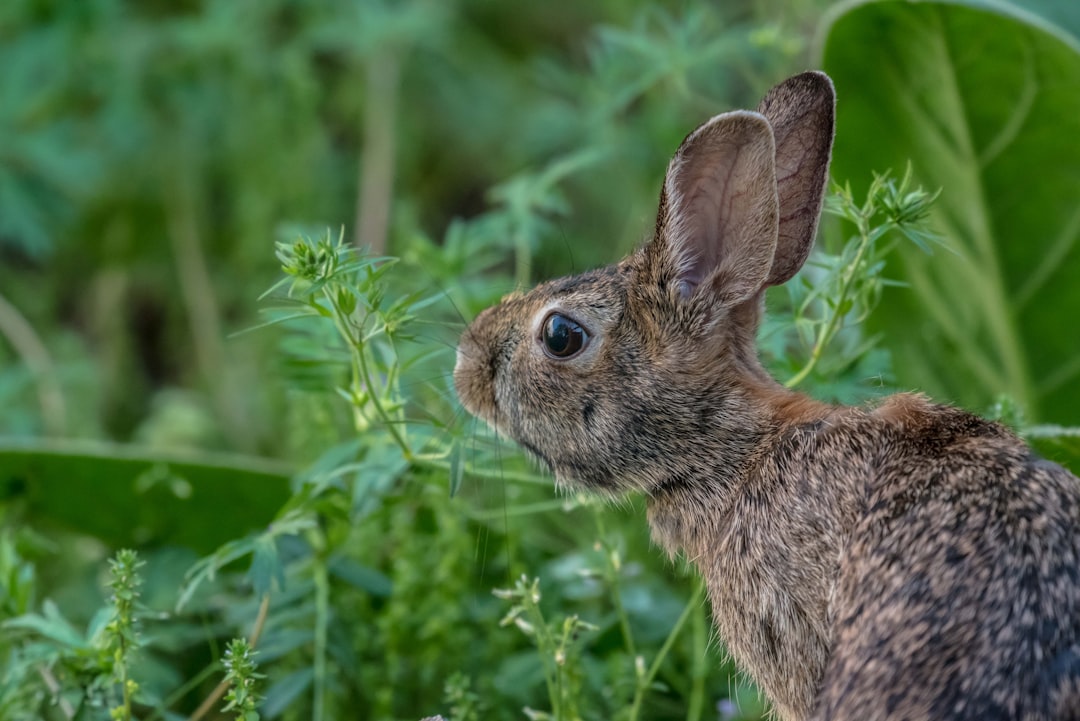
    FAQs

    What is a lop eared bunny?

    A lop eared bunny is a breed of domestic rabbit that has ears that hang down instead of standing upright.

    What is the origin of lop eared bunnies?

    Lop eared bunnies were first bred in France in the 18th century.

    What are the different types of lop eared bunnies?

    There are several types of lop eared bunnies, including the English Lop, French Lop, Holland Lop, Mini Lop, and American Fuzzy Lop.

    What is the average lifespan of a lop eared bunny?

    The average lifespan of a lop eared bunny is 7-10 years.

    What is the average size of a lop eared bunny?

    The average size of a lop eared bunny varies depending on the breed, but they generally range from small to medium in size.

    What is the temperament of a lop eared bunny?

    Lop eared bunnies are known for being friendly and social animals. They can make great pets for families with children.

    What kind of care do lop eared bunnies require?

    Lop eared bunnies require a balanced diet of hay, fresh vegetables, and pellets, as well as regular exercise and grooming. They also need a clean and spacious living area.

    Can lop eared bunnies be trained?

    Yes, lop eared bunnies can be trained to use a litter box and to come when called. They can also be taught tricks and commands.

    Are lop eared bunnies prone to any health issues?

    Lop eared bunnies can be prone to dental problems, ear infections, and obesity. It is important to take them to a veterinarian regularly for check-ups and to monitor their health.

  • The Adorable World of Rex Bunnies: A Guide to Caring for Your Furry Friend

    The Adorable World of Rex Bunnies: A Guide to Caring for Your Furry Friend

    Rex bunnies are a popular breed of domestic rabbits known for their soft and velvety fur. They have a fascinating history that dates back to the early 20th century. The breed was first developed in France by a breeder named Joseph Gauthier, who crossed a wild rabbit with a domestic breed to create a rabbit with a unique coat. The name “Rex” comes from the Latin word for “king,” which is fitting considering their regal appearance.

    One of the most distinctive features of Rex bunnies is their fur. Unlike other rabbits, which have guard hairs and an undercoat, Rex bunnies have only one type of hair that is dense and plush. This gives them a velvety texture that is incredibly soft to the touch. Their fur can come in a variety of colors, including black, white, blue, and chocolate.

    In addition to their luxurious fur, Rex bunnies are also known for their friendly and docile personalities. They are generally calm and easygoing, making them great pets for families with children or individuals looking for a low-maintenance companion. They are also intelligent and can be trained to perform simple tricks or use a litter box.

    Key Takeaways

    • Rex bunnies are a cute and cuddly breed that make great pets.
    • When choosing a Rex bunny, consider factors such as age, gender, and personality.
    • Setting up a safe and comfortable home for your Rex bunny is important for their well-being.
    • A healthy and balanced diet is crucial for your Rex bunny’s health.
    • Regular grooming and playtime are essential for keeping your Rex bunny happy and healthy.

    Choosing the Right Rex Bunny: Tips for Selecting the Perfect Pet

    When choosing a Rex bunny, it’s important to do your research and find reputable breeders or adoption centers. Look for breeders who have experience with Rex bunnies and can provide you with information about the rabbit’s lineage and health history. Adoption centers are also a great option, as they often have rabbits in need of loving homes.

    When selecting a Rex bunny, there are several factors to consider. Age is an important consideration, as younger rabbits may require more time and attention for training and socialization. Gender is another factor to consider, as male rabbits tend to be more territorial and may require neutering to prevent aggression. Temperament is also important, as you want to choose a bunny that is friendly and sociable.

    It’s also a good idea to spend some time with the rabbit before making a decision. Observe their behavior and see how they interact with you and other rabbits. This will give you a better idea of their personality and whether they will be a good fit for your home and lifestyle.

    Setting Up Your Rex Bunny’s Home: Creating a Safe and Comfortable Environment

    Creating a safe and comfortable environment for your Rex bunny is essential for their well-being. Start by choosing the right cage or enclosure. It should be large enough for the rabbit to hop around and stretch out comfortably. Avoid wire-bottom cages, as they can cause discomfort and injury to the rabbit’s feet. Instead, opt for a solid-bottom cage or use a soft mat or bedding to protect their feet.

    Provide plenty of bedding for your Rex bunny to burrow and nest in. Choose a bedding material that is safe and absorbent, such as paper-based bedding or hay. Avoid using cedar or pine shavings, as they can be harmful to rabbits’ respiratory systems.

    Toys and hiding places are also important for your Rex bunny’s mental stimulation and enrichment. Provide them with chew toys, tunnels, and cardboard boxes to play with and explore. This will help prevent boredom and keep them entertained.

    Bunny-proofing your home is another important step in creating a safe environment for your Rex bunny. Rabbits are curious creatures and love to explore, so it’s important to remove any potential hazards from their reach. This includes electrical cords, toxic plants, and small objects that they could swallow.

    Feeding Your Rex Bunny: A Guide to a Healthy and Balanced Diet

    Food Type Amount Frequency Benefits
    Hay Unlimited Daily Helps with digestion, prevents dental problems, and provides essential fiber
    Vegetables 1-2 cups Daily Provides essential vitamins and minerals, and helps with hydration
    Fruits 1-2 tablespoons 2-3 times per week Provides essential vitamins and minerals, and adds variety to the diet
    Pellets 1/4 – 1/2 cup Daily Provides essential nutrients and vitamins, and helps with dental health
    Treats Occasional As a reward Should be given sparingly and in small amounts, as they can be high in sugar and fat

    Feeding your Rex bunny a healthy and balanced diet is crucial for their overall health and well-being. The foundation of their diet should be high-quality hay, which provides essential fiber for their digestive system. Timothy hay is a popular choice for rabbits, but other options such as orchard grass or meadow hay can also be fed.

    In addition to hay, Rex bunnies should also be fed a small amount of high-quality rabbit pellets. Look for pellets that are specifically formulated for rabbits and do not contain any added sugars or artificial ingredients. Pellets should make up about 10% of their daily diet.

    Fresh vegetables should also be included in your Rex bunny’s diet. Leafy greens such as romaine lettuce, kale, and spinach are good options. Introduce new vegetables slowly to avoid digestive upset, and always wash them thoroughly before feeding.

    It’s important to avoid overfeeding your Rex bunny, as obesity can lead to a variety of health problems. Follow the recommended feeding guidelines based on your rabbit’s weight and adjust as needed. It’s also important to provide fresh water at all times and clean the water bowl or bottle regularly.

    Grooming Your Rex Bunny: Tips for Keeping Your Furry Friend Looking and Feeling Great

    Grooming is an important part of caring for your Rex bunny and keeping them looking and feeling great. Brushing their fur regularly is essential to prevent matting and keep their coat in good condition. Use a soft brush or comb designed for rabbits and gently brush their fur in the direction it grows.

    Bathing your Rex bunny should be done sparingly, as rabbits are naturally clean animals and do not require frequent baths. If necessary, use a small amount of rabbit-safe shampoo and warm water to gently clean their fur. Be sure to thoroughly dry them afterwards to prevent them from getting chilled.

    Trimming your bunny’s nails is another important grooming task. Overgrown nails can cause discomfort and make it difficult for them to walk properly. Use a pair of small animal nail clippers and carefully trim the tips of their nails, being careful not to cut too close to the quick.

    Cleaning your bunny’s ears is also important to prevent ear infections. Use a damp cloth or cotton ball to gently wipe away any dirt or debris from their ears. If you notice any signs of infection, such as redness or discharge, consult your veterinarian.

    During grooming, it’s also a good idea to check for any signs of illness or injury. Look for any changes in their fur, skin, or behavior, and consult your veterinarian if you notice anything unusual.

    Exercise and Playtime: Keeping Your Rex Bunny Active and Happy

    Exercise is important for Rex bunnies to keep them physically and mentally stimulated. They are naturally active animals and require plenty of space to hop around and explore. Provide them with a safe and secure area where they can exercise freely, such as a large playpen or a bunny-proofed room.

    In addition to free-roaming time, it’s also important to provide your Rex bunny with plenty of toys and enrichment activities. Rabbits love to chew, so provide them with chew toys made from safe materials such as untreated wood or cardboard. You can also provide them with tunnels, balls, and other interactive toys to keep them entertained.

    Creating a safe and stimulating play area is essential for your Rex bunny’s well-being. Remove any potential hazards from their play area, such as electrical cords or toxic plants. Provide them with hiding places such as cardboard boxes or tunnels where they can retreat when they need some privacy.

    Health and Wellness: Common Health Issues and How to Keep Your Bunny Healthy

    Like all animals, Rex bunnies are prone to certain health issues that can affect their well-being. Dental problems are common in rabbits due to their continuously growing teeth. Provide your bunny with plenty of hay and chew toys to help wear down their teeth naturally. Regular dental check-ups with a veterinarian who specializes in exotic animals are also recommended.

    Gastrointestinal issues, such as bloating or diarrhea, can also occur in rabbits. These can be caused by a variety of factors, including a poor diet or stress. It’s important to provide your Rex bunny with a balanced diet and avoid sudden changes in their diet or environment. If you notice any changes in their appetite or bowel movements, consult your veterinarian.

    Signs of illness in rabbits can be subtle, so it’s important to monitor your Rex bunny closely and seek veterinary care if you notice any changes in their behavior or appearance. Common signs of illness include loss of appetite, lethargy, changes in stool consistency, and discharge from the eyes or nose.

    Preventative measures are also important for keeping your Rex bunny healthy. Schedule regular check-ups with a veterinarian who specializes in exotic animals to ensure that your bunny is up to date on vaccinations and to catch any potential health issues early on.

    Training Your Rex Bunny: Tips for Teaching Basic Commands and Behaviors

    Training your Rex bunny is not only fun but also important for their well-being. Rabbits are intelligent animals and can be trained to perform simple commands and behaviors using positive reinforcement techniques.

    Litter box training is one of the first behaviors you should teach your Rex bunny. Start by placing a litter box filled with rabbit-safe litter in their enclosure. When they use the litter box, reward them with a small treat or praise. Be patient and consistent, and they will eventually learn to use the litter box consistently.

    Coming when called is another useful command to teach your Rex bunny. Start by using their name and a verbal cue, such as “come” or “here.” When they come to you, reward them with a treat or praise. Repeat this process consistently, gradually increasing the distance between you and the rabbit.

    Positive reinforcement is key when training your Rex bunny. Use treats, praise, and petting to reward them for desired behaviors. Avoid punishment or negative reinforcement, as this can cause fear and stress in rabbits.

    Socializing Your Rex Bunny: How to Introduce Your Bunny to Other Pets and People

    Socialization is important for Rex bunnies to ensure that they are comfortable and well-adjusted around other pets and people. Start by introducing your bunny to new experiences gradually and in a controlled environment. This can include meeting new people, being around other animals, or experiencing new sounds and smells.

    When introducing your Rex bunny to other pets, such as dogs or cats, it’s important to do so slowly and under supervision. Start by allowing them to sniff each other through a barrier, such as a baby gate or a crate. Gradually increase their exposure to each other, always monitoring their interactions for signs of stress or aggression.

    When introducing your bunny to new people, it’s important to let them approach the rabbit at their own pace. Avoid forcing interactions or overwhelming them with too many people at once. Allow the rabbit to approach the person on their own terms, rewarding them with treats or praise for positive interactions.

    Signs of stress or aggression during socialization include growling, lunging, biting, or excessive hiding. If you notice any of these behaviors, separate the animals or remove the rabbit from the situation until they have calmed down.

    The Joy of Owning a Rex Bunny and the Rewards of Responsible Pet Ownership

    Owning a Rex bunny can bring immense joy and companionship into your life. They are cute, cuddly, and have unique personalities that make them wonderful pets. However, it’s important to remember that owning any pet comes with responsibilities.

    By providing your Rex bunny with a safe and comfortable environment, a healthy diet, regular grooming, exercise and playtime, and proper veterinary care, you can ensure that they live a happy and fulfilling life. Training and socializing your bunny will also help them become well-adjusted and well-behaved members of your family.

    Consider adopting or rescuing a Rex bunny, as there are many rabbits in need of loving homes. By adopting, you not only provide a home for a bunny in need but also support the efforts of rescue organizations and help reduce the number of rabbits in shelters.

    Owning a Rex bunny is a rewarding experience that can bring joy and companionship into your life. With proper care and responsible ownership, you can enjoy many years of happiness with your furry friend.

    FAQs

    What are rex bunnies?

    Rex bunnies are a breed of domestic rabbits that are known for their soft, velvety fur.

    What is the origin of rex bunnies?

    Rex bunnies were first bred in France in the early 20th century. They were developed by a French monk named Brother Armand who was trying to create a rabbit breed with a unique fur texture.

    What is the lifespan of rex bunnies?

    Rex bunnies typically live for 5-7 years, although some have been known to live longer with proper care.

    What is the average size of rex bunnies?

    Rex bunnies are a medium-sized breed, typically weighing between 7-10 pounds when fully grown.

    What is the temperament of rex bunnies?

    Rex bunnies are known for being friendly and docile, making them great pets for families with children.

    What is the care required for rex bunnies?

    Rex bunnies require a clean and spacious living area, a healthy diet of hay and vegetables, and regular grooming to maintain their soft fur.

    What are the common health issues of rex bunnies?

    Rex bunnies are prone to dental problems, digestive issues, and respiratory infections. Regular check-ups with a veterinarian can help prevent and treat these issues.

  • Exploring the World of Rabbits: A Guide to Different Rabbit Breeds

    Exploring the World of Rabbits: A Guide to Different Rabbit Breeds

    Rabbits have been domesticated for thousands of years, with evidence of their existence dating back to ancient times. They were initially bred for their meat and fur, but over time, they have become popular as pets as well. Understanding the different rabbit breeds is important for anyone considering owning a rabbit, as each breed has its own unique characteristics and requirements.

    Key Takeaways

    • Understanding the basics of rabbit breeds is important for choosing the right one.
    • Popular breeds like the Dutch and the Mini Lop have distinct characteristics and personalities.
    • Dwarf breeds like the Netherland Dwarf are small but have big personalities.
    • Giant breeds like the Flemish Giant can weigh up to 22 pounds and require more space and care.
    • Rare breeds like the American Chinchilla are unique and worth considering for experienced rabbit owners.

    Popular Rabbit Breeds: A Closer Look

    Some of the most popular rabbit breeds include the Holland Lop, Netherland Dwarf, and Flemish Giant. The Holland Lop is known for its small size and floppy ears, making it a favorite among pet owners. The Netherland Dwarf is one of the smallest rabbit breeds, with a maximum weight of just two pounds. The Flemish Giant, on the other hand, is one of the largest rabbit breeds, with some individuals weighing up to 20 pounds.

    Each breed has its own pros and cons. For example, the Holland Lop is known for its friendly and docile nature, making it a great choice for families with children. However, they do require regular grooming to keep their fur in good condition. The Netherland Dwarf is also friendly and easy to handle, but they can be prone to dental problems due to their small size. The Flemish Giant is known for its gentle and calm temperament, but they require a lot of space and may not be suitable for small living environments.

    Dwarf Rabbit Breeds: Small in Size, Big in Personality

    Dwarf rabbit breeds are known for their small size and big personalities. Some popular dwarf breeds include the Mini Rex, Lionhead, and Jersey Wooly. The Mini Rex is known for its soft and velvety fur, which comes in a variety of colors. The Lionhead has a distinctive mane of fur around its head, giving it a unique appearance. The Jersey Wooly has a dense and wooly coat, making it a favorite among rabbit enthusiasts.

    Owning a dwarf breed has its advantages and disadvantages. On the positive side, dwarf breeds are small and easy to handle, making them great pets for families with children. They also require less space compared to larger breeds, making them suitable for apartment living. However, dwarf breeds can be prone to certain health issues, such as dental problems and obesity. They also require regular grooming to keep their fur in good condition.

    Giant Rabbit Breeds: The Biggest Bunnies on the Block

    Breed Weight (lbs) Height (in) Lifespan (years)
    Flemish Giant 13-22 20-28 5-6
    British Giant 12-15 20-26 4-5
    Continental Giant 20-35 25-32 5-6
    Giant Chinchilla 9-12 16-20 7-10

    Giant rabbit breeds are known for their impressive size and gentle nature. Some popular giant breeds include the Flemish Giant, Checkered Giant, and French Lop. The Flemish Giant is one of the largest rabbit breeds, with some individuals weighing up to 20 pounds. The Checkered Giant is known for its distinctive coat pattern, which resembles a checkerboard. The French Lop is a large breed with long ears and a friendly temperament.

    Owning a giant breed comes with its own set of pros and cons. On the positive side, giant breeds are known for their calm and gentle nature, making them great pets for families with children. They also require less exercise compared to smaller breeds, making them suitable for owners with limited mobility. However, giant breeds require a lot of space and may not be suitable for small living environments. They also have specific dietary needs and may require more food compared to smaller breeds.

    Rare Rabbit Breeds: Uncovering the Hidden Gems

    Rare rabbit breeds are often overlooked but can make great pets for the right owner. Some rare breeds include the American Chinchilla, Silver Fox, and Blanc de Hotot. The American Chinchilla is known for its beautiful silver-gray fur and friendly temperament. The Silver Fox has a striking black coat and is known for its calm and docile nature. The Blanc de Hotot is a small breed with a distinctive white coat and black eye rings.

    Owning a rare breed has its advantages and disadvantages. On the positive side, rare breeds are often unique and can be a conversation starter. They also tend to have distinct personalities and may be more independent compared to popular breeds. However, rare breeds may be harder to find and may require more specialized care compared to more common breeds. They may also have specific health issues that owners need to be aware of.

    Indoor Rabbit Breeds: Perfect for Apartment Living

    Indoor rabbit breeds are suitable for owners who live in apartments or other small living environments. Some popular indoor breeds include the Holland Lop, Mini Lop, and Netherland Dwarf. The Holland Lop is known for its small size and friendly nature, making it a great choice for families with children. The Mini Lop is slightly larger than the Holland Lop but still suitable for indoor living. The Netherland Dwarf is one of the smallest rabbit breeds and requires minimal space.

    Owning an indoor breed has its own set of pros and cons. On the positive side, indoor breeds are small and easy to handle, making them great pets for families with children. They also require less space compared to larger breeds, making them suitable for apartment living. However, indoor breeds may require more attention and socialization compared to outdoor breeds, as they do not have access to natural sunlight and fresh air.

    Outdoor Rabbit Breeds: Thriving in the Great Outdoors

    Outdoor rabbit breeds are suitable for owners who have access to a secure outdoor space for their rabbits to roam and play. Some popular outdoor breeds include the New Zealand, Californian, and American Sable. The New Zealand is known for its large size and friendly nature, making it a great choice for families with children. The Californian has a distinctive black and white coat and is known for its calm and docile temperament. The American Sable is a medium-sized breed with a dense and silky coat.

    Owning an outdoor breed comes with its own set of advantages and disadvantages. On the positive side, outdoor breeds have access to natural sunlight and fresh air, which can be beneficial for their overall health and well-being. They also have more space to roam and play compared to indoor breeds. However, outdoor breeds may be more prone to predators and require a secure outdoor enclosure to keep them safe. They may also require more maintenance compared to indoor breeds, as their fur can become dirty or matted.

    Show Rabbit Breeds: The Best of the Best

    Show rabbit breeds are bred specifically for their appearance and are often seen at rabbit shows and competitions. Some popular show breeds include the English Angora, Satin, and Mini Satin. The English Angora is known for its long and silky fur, which requires regular grooming to keep it in good condition. The Satin has a glossy coat that reflects light, giving it a unique appearance. The Mini Satin is a smaller version of the Satin breed and is known for its compact size and beautiful coat.

    Owning a show breed can be a rewarding experience for owners who are interested in participating in rabbit shows and competitions. On the positive side, show breeds are often bred for their appearance and have unique characteristics that make them stand out. They also require regular grooming and care, which can be a bonding experience between the owner and the rabbit. However, show breeds may require more time and effort compared to other breeds, as they need to be kept in top condition for competitions.

    Utility Rabbit Breeds: Practical and Productive

    Utility rabbit breeds are bred specifically for their meat, fur, or other practical purposes. Some popular utility breeds include the New Zealand, Californian, and American Chinchilla. The New Zealand is known for its large size and fast growth rate, making it a popular choice for meat production. The Californian has a distinctive black and white coat and is also bred for meat production. The American Chinchilla has a beautiful silver-gray fur and is often used for fur production.

    Owning a utility breed can be a practical choice for owners who are interested in raising rabbits for meat, fur, or other purposes. On the positive side, utility breeds are often bred for their specific purpose and have characteristics that make them well-suited for their intended use. They also tend to be hardy and easy to care for, making them suitable for beginners. However, utility breeds may require more space compared to other breeds, as they need room to grow and thrive.

    Choosing the Right Rabbit Breed: Factors to Consider

    When choosing a rabbit breed, there are several factors to consider. Size is an important consideration, as larger breeds may require more space compared to smaller breeds. Temperament is also important, as some breeds are more friendly and docile compared to others. Purpose is another factor to consider, as some breeds are better suited for specific purposes such as meat or fur production.

    It’s also important to consider your own lifestyle and needs when choosing a rabbit breed. If you live in an apartment or have limited space, an indoor breed may be more suitable. If you have access to a secure outdoor space, an outdoor breed may be a better choice. It’s also important to consider the amount of time and effort you are willing to invest in grooming and care.

    In conclusion, understanding the different rabbit breeds is important for anyone considering owning a rabbit. Each breed has its own unique characteristics and advantages, and it’s important to choose the right breed for your lifestyle and needs. Whether you’re looking for a small indoor pet or a productive outdoor rabbit, there’s a breed out there for everyone. Take the time to research and consider your options before making a decision, and you’ll be rewarded with a happy and healthy rabbit companion.

    FAQs

    What are the different types of rabbits?

    There are over 50 different breeds of rabbits, but they can be categorized into six main types: domestic, wild, dwarf, giant, lop-eared, and wool.

    What are domestic rabbits?

    Domestic rabbits are bred for companionship and come in a variety of sizes and colors. They are typically kept as indoor pets and can live up to 10 years with proper care.

    What are wild rabbits?

    Wild rabbits are found in various habitats around the world and are typically smaller and leaner than domestic rabbits. They are known for their agility and speed and are often hunted for their meat and fur.

    What are dwarf rabbits?

    Dwarf rabbits are small in size and typically weigh less than 4 pounds. They are popular as pets due to their cute and compact appearance.

    What are giant rabbits?

    Giant rabbits are the largest breed of rabbits and can weigh up to 20 pounds. They are often bred for their meat and fur and require more space and care than smaller breeds.

    What are lop-eared rabbits?

    Lop-eared rabbits are known for their floppy ears that hang down on either side of their head. They come in a variety of sizes and colors and are popular as pets due to their unique appearance.

    What are wool rabbits?

    Wool rabbits are bred for their long, soft fur which can be harvested and used for clothing and textiles. They require regular grooming to prevent matting and tangling of their fur.