


rabbitgoo Dog Harness No Pull with 2 Leash Clips, Adjustable Soft Padded, Reflective Oxford No Choke Pet Vest with Easy Control Handle for Large Dogs, Black, L
$17.98 (as of 03/26/2026 16:38 GMT +00:00 - More infoProduct prices and availability are accurate as of the date/time indicated and are subject to change. Any price and availability information displayed on [relevant Amazon Site(s), as applicable] at the time of purchase will apply to the purchase of this product.)
Muddy Mat® | Super Absorbent Door Mat Indoor, Microfiber Quick Dry Chenille Entryway Rug, Non-Slip Front Door Mat, Indoor Mats for Entryway, Machine Washable Pet Rug, Grey 30"x19"
$19.95 (as of 03/26/2026 16:38 GMT +00:00 - More infoProduct prices and availability are accurate as of the date/time indicated and are subject to change. Any price and availability information displayed on [relevant Amazon Site(s), as applicable] at the time of purchase will apply to the purchase of this product.)
gogobunny 3X Stronger Waterproof Pet Blanket, Scratch Proof Furniture Protector for Dogs Cats, Reversible Cover 30x70 Inch, Dark Grey/Light Grey
$7.98 (as of 03/26/2026 16:38 GMT +00:00 - More infoProduct prices and availability are accurate as of the date/time indicated and are subject to change. Any price and availability information displayed on [relevant Amazon Site(s), as applicable] at the time of purchase will apply to the purchase of this product.)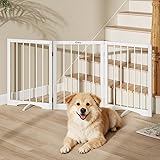
Cideny Free Standing Dog Gate Indoor, Foldable Dog Gate for Doorways Stairs Hallways, 3-Panel Freestanding Pet Gate with Support Feet for Stability, Folding Puppy Gate Easy to Move, Doggy Gate 54"x24"
$34.99 (as of 03/26/2026 16:38 GMT +00:00 - More infoProduct prices and availability are accurate as of the date/time indicated and are subject to change. Any price and availability information displayed on [relevant Amazon Site(s), as applicable] at the time of purchase will apply to the purchase of this product.)
Made to ROAM Premium Dog Collar - Adjustable Heavy Duty Nylon Collar with Quick-Release Metal Buckle (Colorado Nightsky, Classic Size 4)
$19.19 (as of 03/26/2026 16:38 GMT +00:00 - More infoProduct prices and availability are accurate as of the date/time indicated and are subject to change. Any price and availability information displayed on [relevant Amazon Site(s), as applicable] at the time of purchase will apply to the purchase of this product.)
GPS Tracker for Dogs, Smart Collar with Real-Time Location - Pet Location Tracker with Holder, No Monthly Fee/No SIM Card, Works with iOS Find My, Ultra-Slim, IP68 Waterproof, 12-Month Working Time
$39.99 (as of 03/26/2026 16:38 GMT +00:00 - More infoProduct prices and availability are accurate as of the date/time indicated and are subject to change. Any price and availability information displayed on [relevant Amazon Site(s), as applicable] at the time of purchase will apply to the purchase of this product.)
Regalo Safety 29-38.5" Baby Gate for Doorways & Bottom of Stairs, Pressure Mounted Baby Gate with Door for Babies, Toddlers & Pets, Tested & Safe for 30 Years, American Designed, American Owned, White
$29.61 (as of 03/26/2026 16:38 GMT +00:00 - More infoProduct prices and availability are accurate as of the date/time indicated and are subject to change. Any price and availability information displayed on [relevant Amazon Site(s), as applicable] at the time of purchase will apply to the purchase of this product.)
Best Pet Supplies Interactive Squeaky Dog Chew Toy, Ideal Dog Toys for Chewers, Small, Medium & Large Dogs, and Fetch Lovers - Crinkle Duck (Blue), Large
$5.99 (as of 03/26/2026 16:38 GMT +00:00 - More infoProduct prices and availability are accurate as of the date/time indicated and are subject to change. Any price and availability information displayed on [relevant Amazon Site(s), as applicable] at the time of purchase will apply to the purchase of this product.)
nunubaby Washable Pee Pads for Dogs, Stylish, Non-Slip and Leak-Proof Pee Mat. ultra-absorbent Reusable potty pad for Crates and Floors.(Cream/Multi, 18" x24" )
$9.99 (as of 03/26/2026 16:38 GMT +00:00 - More infoProduct prices and availability are accurate as of the date/time indicated and are subject to change. Any price and availability information displayed on [relevant Amazon Site(s), as applicable] at the time of purchase will apply to the purchase of this product.)Feline diabetes is a common and serious health condition that affects cats of all ages and breeds. It is estimated that approximately 1 in 200 cats will develop diabetes at some point in their lives. Managing feline diabetes is crucial for the overall health and wellbeing of the cat, and one of the key components of managing this condition is through diet.
Key Takeaways
- Feline diabetes is caused by a lack of insulin production or insulin resistance, and symptoms include increased thirst, urination, and weight loss.
- Diabetic cat food is important for managing feline diabetes because it is low in carbohydrates and high in protein, which helps regulate blood sugar levels.
- When choosing diabetic cat food, consider the ingredients, nutritional value, and your cat’s individual needs and preferences.
- High-quality diabetic cat food can improve your cat’s overall health and wellbeing, including weight management and reducing the risk of other health issues.
- Transitioning your cat to a diabetic cat food diet should be done gradually, with portion control and a consistent feeding schedule.
Understanding Feline Diabetes: Causes, Symptoms, and Treatment Options
Feline diabetes is caused by a lack of insulin production or an inability of the body to properly use insulin. Insulin is a hormone that helps regulate blood sugar levels in the body. When there is a deficiency or resistance to insulin, blood sugar levels can become elevated, leading to diabetes.
Some common symptoms of feline diabetes include increased thirst and urination, weight loss despite an increased appetite, lethargy, and poor coat condition. If you notice any of these symptoms in your cat, it is important to consult with your veterinarian for a proper diagnosis.
Treatment options for feline diabetes typically involve a combination of diet, medication, and insulin therapy. Diet plays a crucial role in managing feline diabetes as it can help regulate blood sugar levels and promote weight loss if necessary.
The Role of Diet in Managing Feline Diabetes: Why Diabetic Cat Food Matters
Diet plays a critical role in managing feline diabetes as it directly affects blood sugar levels and overall health. Diabetic cat food is specifically formulated to help regulate blood sugar levels and provide the necessary nutrients for diabetic cats.
One of the key benefits of diabetic cat food is its low carbohydrate content. Carbohydrates are broken down into sugars in the body, which can cause blood sugar levels to spike. By reducing the amount of carbohydrates in the diet, diabetic cat food helps keep blood sugar levels stable.
Diabetic cat food also contains higher levels of protein and fiber compared to regular cat food. Protein helps promote muscle growth and repair, while fiber aids in digestion and helps regulate blood sugar levels. These nutrients are essential for the overall health and wellbeing of diabetic cats.
Choosing the Right Diabetic Cat Food: Tips and Considerations
| Consideration | Explanation |
|---|---|
| Protein Content | Diabetic cats require a high protein diet to maintain muscle mass and regulate blood sugar levels. |
| Carbohydrate Content | Choose a cat food with low carbohydrate content to prevent spikes in blood sugar levels. |
| Fiber Content | Fiber can help regulate blood sugar levels and promote healthy digestion in diabetic cats. |
| Calorie Content | Diabetic cats may need to lose weight, so choose a cat food with an appropriate calorie content. |
| Ingredients | Avoid cat foods with high levels of fillers, artificial preservatives, and by-products. |
| Brand Reputation | Choose a cat food brand with a good reputation for producing high-quality, nutritious cat food. |
When choosing diabetic cat food, there are several factors to consider. First and foremost, it is important to consult with your veterinarian to determine the specific nutritional needs of your cat. They may recommend a specific brand or type of diabetic cat food based on your cat’s individual needs.
There are several types of diabetic cat food available, including dry kibble, wet canned food, and prescription diets. Each type has its own advantages and disadvantages, so it is important to consider your cat’s preferences and any dietary restrictions they may have.
Some recommended brands of diabetic cat food include Royal Canin Veterinary Diet, Hill’s Prescription Diet, and Purina Pro Plan Veterinary Diets. These brands have been specifically formulated to meet the nutritional needs of diabetic cats and have been proven effective in managing feline diabetes.
The Benefits of High-Quality Diabetic Cat Food for Feline Health and Wellbeing
High-quality diabetic cat food provides numerous benefits for the health and wellbeing of diabetic cats. These benefits include:
1. Regulation of blood sugar levels: Diabetic cat food helps regulate blood sugar levels by providing a balanced combination of nutrients that do not cause spikes in blood sugar.
2. Weight management: Many diabetic cats are overweight or obese, which can worsen their condition. Diabetic cat food helps promote weight loss by providing a controlled amount of calories and promoting satiety.
3. Improved digestion: Diabetic cat food contains higher levels of fiber, which aids in digestion and helps regulate blood sugar levels.
4. Increased energy levels: Proper nutrition from high-quality diabetic cat food can help improve energy levels in diabetic cats, leading to increased activity and overall wellbeing.
How to Transition Your Cat to a Diabetic Cat Food Diet: Best Practices and Strategies

Transitioning your cat to a diabetic cat food diet should be done gradually to avoid digestive upset. It is recommended to start by mixing a small amount of the new diabetic cat food with your cat’s current food and gradually increasing the proportion of the new food over a period of 7-10 days.
During the transition period, it is important to monitor your cat’s appetite, stool consistency, and overall wellbeing. If you notice any signs of digestive upset or discomfort, it may be necessary to slow down the transition process or consult with your veterinarian for guidance.
The Importance of Portion Control and Feeding Schedule for Diabetic Cats
Portion control is crucial for managing feline diabetes as it helps regulate blood sugar levels and promotes weight loss if necessary. It is important to measure out the appropriate portion size for your cat based on their individual needs and follow a consistent feeding schedule.
Your veterinarian can provide guidance on the appropriate portion size for your cat based on their age, weight, and activity level. It is important to avoid overfeeding or free-feeding as this can lead to weight gain and worsen the symptoms of diabetes.
Monitoring Blood Glucose Levels in Diabetic Cats: Tools and Techniques
Monitoring blood glucose levels is an essential part of managing feline diabetes. There are several tools available for monitoring blood glucose levels at home, including blood glucose meters and test strips specifically designed for cats.
To monitor blood glucose levels, a small sample of blood is typically taken from the cat’s ear or paw using a lancet device. The blood sample is then applied to a test strip and inserted into the blood glucose meter for analysis. The results can help determine if insulin therapy or adjustments to the diet are necessary.
Combining Diabetic Cat Food with Medication and Insulin Therapy: Best Practices and Guidelines
Combining diabetic cat food with medication and insulin therapy is crucial for managing feline diabetes. It is important to follow your veterinarian’s guidelines and recommendations for administering medication and insulin.
Diabetic cat food can help regulate blood sugar levels and reduce the need for insulin in some cases. However, it is important to monitor your cat’s blood glucose levels regularly to ensure that they are within the target range. If necessary, adjustments to the medication or insulin dosage may be required.
Common Challenges and Solutions for Managing Feline Diabetes with Diet
Managing feline diabetes with diet can present some challenges, but there are solutions available. Some common challenges include:
1. Food preferences: Some cats may be picky eaters and may not readily accept diabetic cat food. In these cases, it may be necessary to try different brands or flavors to find one that your cat enjoys.
2. Weight loss: Diabetic cats that are overweight or obese may require weight loss as part of their treatment plan. This can be challenging as cats may resist changes to their diet or feeding schedule. Working closely with your veterinarian and following their recommendations can help overcome this challenge.
3. Monitoring blood glucose levels: Monitoring blood glucose levels at home can be challenging, especially if your cat is uncooperative or anxious during the process. Patience and positive reinforcement techniques can help make the process easier for both you and your cat.
The Long-Term Benefits of Managing Feline Diabetes with Diabetic Cat Food: Improving Quality of Life for Your Cat
Managing feline diabetes with diabetic cat food can have numerous long-term benefits for your cat’s health and wellbeing. These benefits include:
1. Stable blood sugar levels: Diabetic cat food helps regulate blood sugar levels, reducing the risk of complications associated with high or low blood sugar.
2. Weight management: Diabetic cat food promotes weight loss if necessary, which can improve overall health and reduce the risk of other health conditions.
3. Increased energy levels: Proper nutrition from diabetic cat food can help improve energy levels in diabetic cats, leading to increased activity and overall wellbeing.
4. Improved coat condition: Diabetic cat food contains essential nutrients that promote a healthy coat and skin, improving your cat’s appearance and comfort.
Managing feline diabetes with diabetic cat food is crucial for the overall health and wellbeing of your cat. By choosing the right diabetic cat food, gradually transitioning your cat to a new diet, practicing portion control, monitoring blood glucose levels, and combining diet with medication and insulin therapy, you can effectively manage feline diabetes and improve your cat’s quality of life. Consult with your veterinarian for guidance and recommendations specific to your cat’s individual needs.
FAQs
What is diabetic cat food?
Diabetic cat food is a type of cat food that is specially formulated to meet the nutritional needs of cats with diabetes. It typically has a lower carbohydrate content and higher protein content than regular cat food.
What are the benefits of feeding diabetic cat food?
Feeding diabetic cat food can help regulate blood sugar levels in cats with diabetes, which can improve their overall health and quality of life. It can also help prevent complications associated with diabetes, such as kidney disease and blindness.
What ingredients should I look for in diabetic cat food?
Diabetic cat food should have a high protein content and a low carbohydrate content. Look for ingredients such as chicken, turkey, fish, and beef, as well as complex carbohydrates like sweet potatoes and brown rice.
Can all cats eat diabetic cat food?
While all cats can technically eat diabetic cat food, it is specifically formulated for cats with diabetes. If your cat does not have diabetes, it may not need the specific nutritional requirements of diabetic cat food.
Do I need a prescription to buy diabetic cat food?
Some brands of diabetic cat food may require a prescription from a veterinarian, while others may be available over-the-counter. It is best to consult with your veterinarian to determine the best type of diabetic cat food for your cat.
Regalo Safety 29-38.5" Baby Gate for Doorways & Bottom of Stairs, Pressure Mounted Baby Gate with Door for Babies, Toddlers & Pets, Tested & Safe for 30 Years, American Designed, American Owned, White
$29.61 (as of 03/26/2026 16:38 GMT +00:00 - More infoProduct prices and availability are accurate as of the date/time indicated and are subject to change. Any price and availability information displayed on [relevant Amazon Site(s), as applicable] at the time of purchase will apply to the purchase of this product.)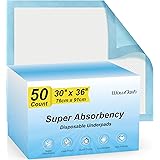
Wowflash Super Absorbency Disposable Leakproof Underpads with Quick Drying for Baby, Adults, Puppy, Dog Bed Pee Pads, Extra Large, XXL Incontinence Pads, 30” x 36”, 50 Count
$29.99 (as of 03/26/2026 16:38 GMT +00:00 - More infoProduct prices and availability are accurate as of the date/time indicated and are subject to change. Any price and availability information displayed on [relevant Amazon Site(s), as applicable] at the time of purchase will apply to the purchase of this product.)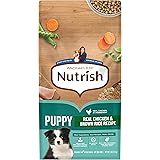
Nutrish Rachael Ray Dry Dog Food Puppy, Real Chicken & Brown Rice Recipe, 5 lb. Bag
$9.97 (as of 03/26/2026 16:38 GMT +00:00 - More infoProduct prices and availability are accurate as of the date/time indicated and are subject to change. Any price and availability information displayed on [relevant Amazon Site(s), as applicable] at the time of purchase will apply to the purchase of this product.)
Best Pet Supplies Interactive Squeaky Dog Chew Toy, Ideal Dog Toys for Chewers, Small, Medium & Large Dogs, and Fetch Lovers - Crinkle Duck (Blue), Large
$5.99 (as of 03/26/2026 16:38 GMT +00:00 - More infoProduct prices and availability are accurate as of the date/time indicated and are subject to change. Any price and availability information displayed on [relevant Amazon Site(s), as applicable] at the time of purchase will apply to the purchase of this product.)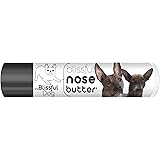
The Blissful Dog Xoloitzcuintli Nose Butter, Versatile Dog Nose Balm for Dry Nose, Handcrafted Nose Moisturizer, Easy-to-Apply Dog Essentials, Unscented, 0.15 oz.
$6.99 (as of 03/26/2026 16:38 GMT +00:00 - More infoProduct prices and availability are accurate as of the date/time indicated and are subject to change. Any price and availability information displayed on [relevant Amazon Site(s), as applicable] at the time of purchase will apply to the purchase of this product.)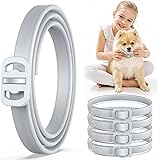
Natural Flea and Tick Collar for Dogs - 4 Pack, 8 Months Long-Lasting Protection, Waterproof, Adjustable Size for Small Medium and Large Dog
$22.99 (as of 03/26/2026 16:38 GMT +00:00 - More infoProduct prices and availability are accurate as of the date/time indicated and are subject to change. Any price and availability information displayed on [relevant Amazon Site(s), as applicable] at the time of purchase will apply to the purchase of this product.)
Muddy Mat® | Super Absorbent Door Mat Indoor, Microfiber Quick Dry Chenille Entryway Rug, Non-Slip Front Door Mat, Indoor Mats for Entryway, Machine Washable Pet Rug, Grey 30"x19"
$19.95 (as of 03/26/2026 16:38 GMT +00:00 - More infoProduct prices and availability are accurate as of the date/time indicated and are subject to change. Any price and availability information displayed on [relevant Amazon Site(s), as applicable] at the time of purchase will apply to the purchase of this product.)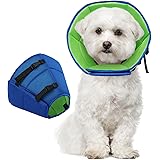
LETSQK Dog Cone Collar After Surgery, Soft Cone for Small Dogs to Stop Licking, Adjustable Elizabethan Collar for Dogs, Lightweight Breathable Dog Recovery Cones for Wound Healing & Hot Spots
$27.99 (as of 03/26/2026 16:38 GMT +00:00 - More infoProduct prices and availability are accurate as of the date/time indicated and are subject to change. Any price and availability information displayed on [relevant Amazon Site(s), as applicable] at the time of purchase will apply to the purchase of this product.)