Blog

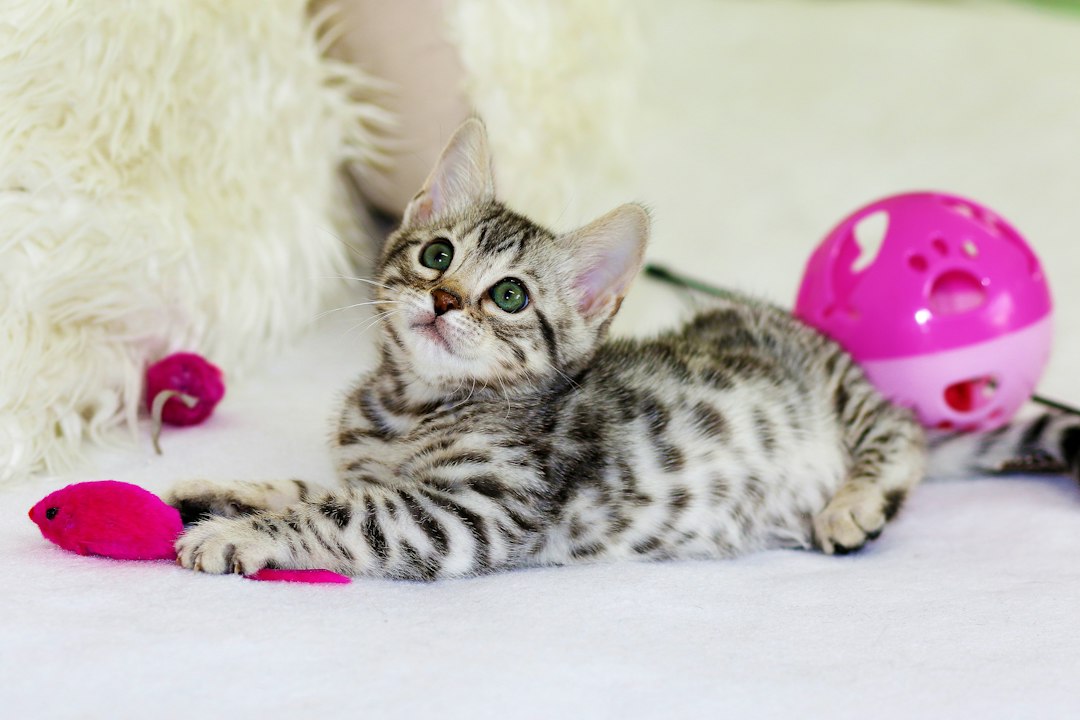
  • The Purrfect Playtime: Why Your Cat Needs a Ball (or Two)

    The Purrfect Playtime: Why Your Cat Needs a Ball (or Two)

    Cats are known for their playful nature. They are natural hunters and have a strong instinct to chase and pounce on objects. Playtime is not just a fun activity for cats, but it is also essential for their physical and mental health. Understanding your cat’s playful nature and providing them with appropriate playtime opportunities is crucial for their overall well-being.

    Key Takeaways

    • Understanding your cat’s playful nature is important for their overall well-being.
    • Playtime provides numerous benefits for your cat’s physical and mental health.
    • Choosing the right type of ball for your cat can enhance their play experience.
    • DIY cat toys can be a fun and cost-effective way to keep your cat entertained.
    • Indoor vs outdoor playtime requires careful consideration to ensure your cat’s safety and entertainment.

    The Benefits of Playtime for Your Cat’s Health and Well-being

    Playtime offers numerous benefits for your cat’s health and well-being. Firstly, it helps maintain a healthy weight. Regular play sessions can help prevent obesity in cats by keeping them active and burning calories. Obesity in cats can lead to various health issues such as diabetes, arthritis, and heart disease.

    Secondly, playtime reduces stress and anxiety in cats. Cats can become stressed or anxious due to various factors such as changes in their environment or routine. Engaging in play helps release pent-up energy and promotes relaxation, reducing stress levels in cats.

    Thirdly, playtime prevents behavior problems. Cats that do not have an outlet for their natural hunting instincts may exhibit destructive behavior such as scratching furniture or excessive meowing. Providing them with appropriate playtime opportunities can redirect their energy towards positive activities.

    Lastly, playtime promotes socialization. Interactive play sessions with their owners or other cats can help improve social skills and strengthen the bond between cats and their human companions or feline friends.

    Choosing the Right Type of Ball for Your Feline Friend

    When it comes to choosing the right type of ball for your cat, there are a few factors to consider. Firstly, you should consider your cat’s size and age. Smaller balls are more suitable for kittens or smaller breeds, while larger balls may be more appropriate for larger cats.

    Secondly, choose a ball that is safe and durable. Avoid balls with small parts that can be easily chewed off and swallowed. Opt for balls made of non-toxic materials that can withstand your cat’s playtime antics.

    Lastly, experiment with different textures and materials. Cats have different preferences when it comes to the texture of their toys. Some cats may prefer soft, plush balls, while others may enjoy balls with a crinkly or bouncy texture. Try out different options to see what your cat enjoys the most.

    DIY Cat Toys: Making Your Own Balls for Your Cat to Play With

    DIY Cat Toys: Making Your Own Balls for Your Cat to Play With
    Materials Needed:
    – Wool yarn
    – Scissors
    – Cardboard
    – Glue
    – Catnip (optional)
    Instructions:
    1. Cut a piece of cardboard into a circle.
    2. Cut a long piece of wool yarn and wrap it around the cardboard circle until it is completely covered.
    3. Tie a knot with the ends of the yarn and cut off any excess.
    4. Cut the yarn loops on both sides of the cardboard circle.
    5. Fluff up the yarn and shape it into a ball.
    6. Optional: Add catnip to the ball for extra stimulation.
    Benefits of DIY Cat Toys:
    – Cost-effective
    – Customizable
    – Safe for cats
    – Provides mental and physical stimulation

    If you’re feeling creative, you can make your own cat toys at home. Not only is it a fun and inexpensive way to provide your cat with entertainment, but it also allows you to customize the toys to suit your cat’s preferences.

    One simple DIY cat toy is a yarn ball. All you need is some yarn and a pair of scissors. Cut a length of yarn and start wrapping it around your fingers until you have a small ball. Tie the ends together tightly and trim any excess yarn. Your cat will love batting around this homemade toy.

    Another DIY option is a ping pong ball. These lightweight balls are perfect for cats to bat around and chase. You can even add some extra excitement by placing a few treats inside the ping pong ball before sealing it up. This will turn the ball into a puzzle toy, providing mental stimulation for your cat as they try to figure out how to get the treats out.

    Crinkle balls are another easy DIY option. Take an empty plastic Easter egg and place a small piece of aluminum foil inside. Close the egg and secure it with tape. The crinkling sound will attract your cat’s attention and provide hours of entertainment.

    When making DIY cat toys, it’s important to be mindful of potential hazards and supervise playtime. Make sure there are no small parts that can be easily chewed off and swallowed, as this can pose a choking hazard. Additionally, always supervise your cat during playtime to ensure they are playing safely and not ingesting any parts of the toy.

    Indoor vs Outdoor Playtime: Keeping Your Cat Safe and Entertained

    When it comes to playtime, there are options for both indoor and outdoor play. Indoor playtime is essential for cats that live exclusively indoors. It provides them with mental stimulation and helps prevent boredom.

    Indoor playtime options include scratching posts, tunnels, and interactive toys. Scratching posts allow cats to engage in their natural behavior of scratching while also providing them with a designated area to do so. Tunnels provide a fun and stimulating environment for cats to explore and hide in. Interactive toys such as puzzle feeders or treat-dispensing toys can keep cats entertained while also providing mental stimulation.

    Outdoor playtime can be a great way for cats to experience the sights, sounds, and smells of the outdoors. However, it is important to keep your cat safe during outdoor playtime. Always supervise your cat and make sure they are in a safe, enclosed area such as a screened-in porch or a securely fenced yard. This will prevent them from wandering off or encountering any potential dangers such as traffic or other animals.

    When deciding whether to provide indoor or outdoor playtime for your cat, consider their personality and preferences. Some cats may be perfectly content with indoor playtime, while others may enjoy the freedom and stimulation of the outdoors. It’s important to assess what works best for your individual cat and provide them with appropriate playtime opportunities accordingly.

    The Importance of Interactive Play: Bonding with Your Cat Through Playtime
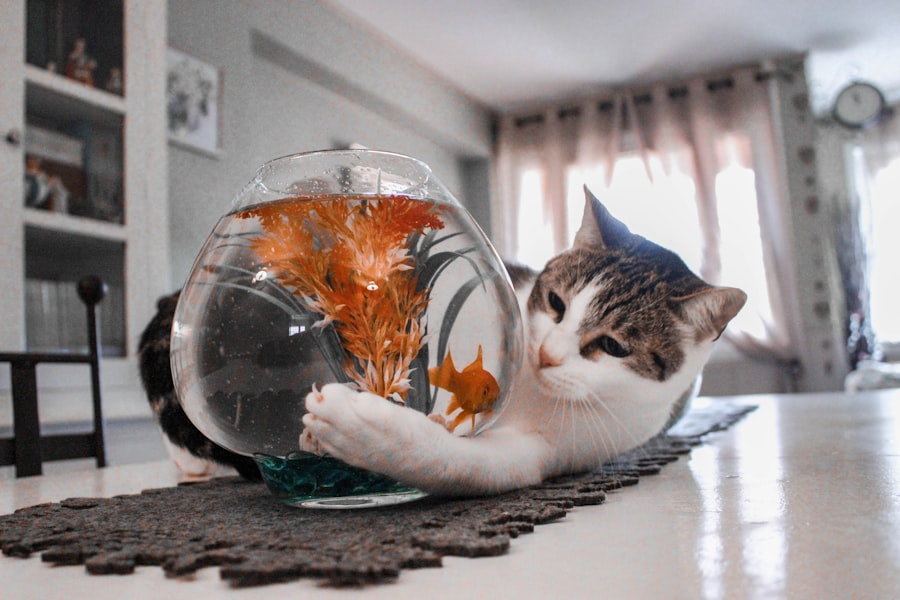
    Interactive play is an important aspect of playtime that strengthens the bond between you and your cat. It allows you to actively engage with your cat and provide them with mental and physical stimulation.

    One popular interactive toy is a laser pointer. Cats love chasing the elusive red dot, providing them with a great workout and mental stimulation. However, it’s important to end the play session with a tangible reward, such as a treat or a toy, to prevent frustration in your cat. Cats can become frustrated when they are unable to catch or capture the object of their play.

    Another interactive toy is a wand toy. These toys typically consist of a long stick with a feather or toy attached to the end. You can move the toy around, mimicking the movements of prey, and allow your cat to chase and pounce on it. This type of play allows your cat to engage in their natural hunting instincts and provides an opportunity for bonding between you and your cat.

    It’s important to end playtime on a positive note. Gradually slow down the movements of the toy and allow your cat to catch and “kill” it. This mimics the natural hunting sequence and provides your cat with a sense of satisfaction and accomplishment.

    Common Playtime Mistakes: Avoiding Boredom and Overstimulation

    While playtime is important for cats, it’s essential to avoid common mistakes that can lead to boredom or overstimulation.

    Firstly, avoid using your hands or feet as toys. This can encourage aggressive behavior in cats and may lead to them biting or scratching you unintentionally. Always use appropriate toys during playtime to prevent any potential injuries.

    Secondly, don’t overstimulate your cat with too much playtime. Cats need time to rest and recharge between play sessions. Overstimulation can lead to stress or anxiety in cats. Pay attention to your cat’s body language and cues during playtime. If they start showing signs of fatigue or disinterest, it’s time to end the play session.

    Lastly, rotate toys to prevent boredom. Cats can quickly lose interest in toys if they are constantly exposed to them. By rotating toys every few days or weeks, you can keep your cat engaged and excited during playtime.

    Playtime for Senior Cats: Keeping Your Aging Feline Active and Engaged

    As cats age, their playtime needs may change. It’s important to adjust playtime to accommodate your senior cat’s age and physical abilities.

    Senior cats may have reduced mobility or joint stiffness, so it’s important to provide them with low-impact play options. Puzzle toys or slow feeders can be a great way to keep your senior cat mentally stimulated while also providing them with a fun activity. These toys require your cat to work for their food, which can help keep their minds sharp and prevent boredom.

    Consult with your veterinarian for additional recommendations on playtime for senior cats. They may be able to provide specific advice based on your cat’s individual needs and health conditions.

    Playtime for Multiple Cats: Tips for Managing Playtime with Multiple Feline Friends

    If you have multiple cats, it’s important to manage playtime to ensure all cats are safe and engaged.

    Provide multiple toys to prevent competition and aggression. Cats can become possessive over toys, so having multiple options available can prevent any potential conflicts. Additionally, having interactive toys that allow multiple cats to play together, such as wand toys or puzzle feeders, can promote socialization and bonding between your feline friends.

    Supervise playtime to ensure all cats are safe and engaged. Some cats may be more dominant or aggressive than others, so it’s important to intervene if any aggressive behavior occurs. Keep an eye out for any signs of stress or tension between the cats and redirect their attention if necessary.

    Consider using pheromone sprays or diffusers to reduce stress and tension during playtime. These products release synthetic pheromones that mimic the natural calming pheromones produced by cats. They can help create a more relaxed environment during playtime and reduce any potential conflicts between your feline friends.

    The Joy and Fulfillment of Watching Your Cat Play and Thrive

    Playtime is an essential part of your cat’s overall well-being. It provides them with physical exercise, mental stimulation, and an outlet for their natural hunting instincts. By understanding your cat’s playful nature and providing them with appropriate playtime opportunities, you can help ensure their health and happiness.

    Experiment with different toys and playtime options to find what works best for your cat. Every cat is unique, so it may take some trial and error to find the toys and activities that your cat enjoys the most. Pay attention to their preferences and adjust playtime accordingly.

    Most importantly, enjoy the bond and joy that comes with watching your cat play and thrive. Playtime is not just beneficial for your cat, but it also provides an opportunity for you to connect with your feline friend. Take the time to engage in interactive play sessions and cherish the moments of laughter and happiness that come with watching your cat chase, pounce, and play.

    FAQs

    What is a cat ball?

    A cat ball is a small, spherical toy designed for cats to play with. It is typically made of soft materials such as foam, rubber, or yarn.

    What are the benefits of a cat ball?

    A cat ball can provide mental and physical stimulation for cats, helping to prevent boredom and promote exercise. It can also help to improve a cat’s coordination and agility.

    How do cats play with a cat ball?

    Cats typically bat the ball around with their paws, chase it, and sometimes even carry it in their mouths. Some cats may also enjoy playing fetch with their owners using a cat ball.

    Are there any safety concerns with cat balls?

    Cat balls should be made of non-toxic materials and should not have any small parts that could be swallowed by a cat. It is important to supervise cats while they are playing with toys to ensure their safety.

    Where can I buy a cat ball?

    Cat balls can be purchased at pet stores, online retailers, and some department stores. They are often sold in packs with other cat toys.
  • 10 Must-Have Cat Accessories for Feline Lovers Everywhere

    10 Must-Have Cat Accessories for Feline Lovers Everywhere

    As a cat owner, it is important to provide your feline friend with the right tools and accessories to keep them happy and healthy. Cats have unique needs and preferences, and by investing in essential items, you can ensure that they have everything they need to thrive. From cat trees to interactive toys, grooming essentials to scratching posts, there are a variety of items that every cat owner should consider. In this blog post, we will explore the ultimate cat essentials and discuss their benefits and features.

    Key Takeaways

    • A cat tree is a must-have for any feline lover, providing a fun and safe space for your cat to climb, scratch, and play.
    • Interactive toys and treat dispensers can keep your cat entertained and mentally stimulated, promoting a healthy and happy lifestyle.
    • A cozy and comfortable bed is essential for your furry friend’s rest and relaxation, ensuring they get the sleep they need.
    • Regular grooming with the right tools can keep your cat’s coat shiny and healthy, preventing matting and other skin issues.
    • Scratching posts and pads are essential for your cat’s natural scratching behavior, protecting your furniture and keeping them happy.
    • Stylish and functional food and water bowls can make mealtime enjoyable for your cat, while also fitting in with your home decor.
    • Cat carriers and strollers are perfect for on-the-go adventures, allowing you to take your furry friend with you wherever you go.
    • Litter boxes and accessories can keep your home clean and odor-free, while also providing a comfortable and private space for your cat to do their business.
    • Collars, tags, and microchips are important for your cat’s safety, ensuring they can be easily identified and returned if they ever get lost.
    • Cat-themed accessories and decor can add a fun and playful touch to your home, showcasing your love for your furry friend.

    The Ultimate Cat Tree: A Must-Have for Any Feline Lover

    One essential item for cat owners is a cat tree. Cat trees provide a variety of benefits for your furry friend. They offer a place for cats to climb, scratch, and play, which helps to satisfy their natural instincts. Cats love to be up high, and a cat tree provides them with a safe and elevated space where they can observe their surroundings.

    There are different types of cat trees available, ranging from simple designs to elaborate structures with multiple levels and features. Some cat trees come with built-in scratching posts, hiding spots, and perches. Others may have attached toys or platforms for lounging. When choosing a cat tree, consider the size of your cat and the available space in your home. Look for sturdy construction and materials that are safe for your cat to use.

    Keep Your Cat Entertained with Interactive Toys and Treat Dispensers

    Cats are curious creatures that need mental stimulation and entertainment. Interactive toys and treat dispensers are great tools to keep your cat engaged and entertained. These toys often require your cat to use their problem-solving skills or physical abilities to access treats or toys hidden inside.

    Interactive toys can come in various forms, such as puzzle toys, treat balls, or electronic toys that mimic prey. These toys encourage your cat to engage in playtime and exercise their natural hunting instincts. Treat dispensers, on the other hand, provide a rewarding experience for your cat. They can be filled with treats or kibble, and your cat will have to figure out how to get the treats out.

    When choosing interactive toys and treat dispensers, consider your cat’s preferences and abilities. Some cats may prefer toys that require more physical activity, while others may enjoy puzzles that challenge their problem-solving skills. It is important to supervise your cat while they play with these toys to ensure their safety.

    The Perfect Bed: Cozy and Comfortable for Your Furry Friend

    Product Name Size Material Color Price
    The Perfect Bed Small Plush Grey 29.99
    The Perfect Bed Medium Memory Foam Beige 49.99
    The Perfect Bed Large Orthopedic Foam Brown 69.99
    The Perfect Bed X-Large Microfiber Black 89.99

    Providing your cat with a comfortable place to sleep is essential for their overall well-being. Cats spend a significant amount of their time sleeping, so having a cozy bed is crucial. Cat beds come in various shapes, sizes, and materials to suit different preferences.

    Some cats prefer beds with high sides or enclosed spaces where they can feel safe and secure. Others may prefer open beds or hammocks that allow them to stretch out. Consider your cat’s sleeping habits and preferences when choosing a bed. Look for beds that are made of soft and durable materials, and that are easy to clean.

    Grooming Essentials: Keep Your Cat’s Coat Shiny and Healthy

    Regular grooming is important for keeping your cat’s coat shiny and healthy. Cats groom themselves by licking, but they still need assistance from their owners to maintain their coat’s cleanliness and health. Grooming also helps to reduce shedding and hairballs.

    There are several grooming tools that every cat owner should have. A brush or comb is essential for removing loose hair and preventing matting. Choose a brush or comb that is suitable for your cat’s coat length and texture. Additionally, nail clippers or a nail grinder are necessary for keeping your cat’s nails trimmed. It is important to introduce grooming gradually and make it a positive experience for your cat.

    Scratch That Itch: Essential Scratching Posts and Pads

    Cats have a natural instinct to scratch, and providing them with a place to do so is essential. Scratching helps cats to stretch their muscles, remove the outer layer of their claws, and mark their territory. Without a designated scratching area, cats may resort to scratching furniture or other household items.

    There are different types of scratching posts and pads available. Some cats prefer vertical scratching posts, while others prefer horizontal pads. Look for scratching surfaces made of sisal, cardboard, or carpet that are durable and safe for your cat to use. It is also important to place the scratching post or pad in an area where your cat spends a lot of time.

    Food and Water Bowls: Stylish and Functional for Your Cat’s Needs

    Providing your cat with clean and accessible food and water is crucial for their health and well-being. Cats are known to be picky eaters, so having the right food and water bowls can make a difference. Stainless steel or ceramic bowls are recommended as they are easy to clean and do not harbor bacteria like plastic bowls can.

    Consider the size of your cat when choosing food and water bowls. The bowls should be large enough to accommodate their food and water needs without causing spillage. Elevated bowls can also be beneficial for cats with arthritis or other mobility issues.

    Travel in Style: Cat Carriers and Strollers for On-the-Go Adventures

    Whether you are taking your cat to the vet or going on an adventure, having a safe and comfortable way to transport them is essential. Cat carriers provide a secure space for your cat during travel, while cat strollers allow you to take your cat on walks or outings.

    When choosing a cat carrier, look for one that is sturdy, well-ventilated, and easy to clean. It should have secure latches and handles for easy carrying. Cat strollers should have a comfortable and secure space for your cat, as well as wheels that provide a smooth ride.

    Keep Your Home Clean with Litter Boxes and Accessories

    Providing your cat with a clean and accessible litter box is essential for their health and hygiene. Cats are naturally clean animals and prefer to have a designated area for eliminating waste. There are different types of litter boxes available, including open trays, covered boxes, and self-cleaning options.

    Consider your cat’s preferences when choosing a litter box. Some cats prefer open trays that allow them to see their surroundings, while others prefer the privacy of a covered box. It is important to keep the litter box clean by scooping it daily and changing the litter regularly. Additionally, having litter mats or liners can help to contain any mess and make cleaning easier.

    Health and Safety: Collars, Tags, and Microchips for Peace of Mind

    Keeping your cat safe and identifiable is crucial. Collars, tags, and microchips are essential tools for ensuring your cat’s health and safety. A collar with an identification tag provides important information in case your cat gets lost. The tag should include your contact information, as well as any relevant medical information.

    Microchipping is another important step in keeping your cat safe. A microchip is a small device that is implanted under your cat’s skin. It contains a unique identification number that can be scanned by a veterinarian or animal shelter. If your cat goes missing, the microchip can help to reunite you with your furry friend.

    Decorate Your Home with Cat-Themed Accessories and Decor

    Incorporating cat-themed accessories and decor into your home can be a fun way to show your love for your feline friend. There are various cat-themed items available, such as wall art, throw pillows, mugs, and even furniture designed specifically for cats.

    When choosing cat-themed accessories and decor, consider your personal style and the overall aesthetic of your home. Look for items that are well-made and durable. These items can add a touch of whimsy and personality to your space while celebrating your love for cats.

    Providing your cat with the right tools and accessories is essential for their happiness and well-being. From cat trees to interactive toys, grooming essentials to scratching posts, there are a variety of items that every cat owner should consider. By investing in these essential items, you can ensure that your furry friend has everything they need to thrive. So, go ahead and spoil your cat with these must-have items!

    FAQs

    What are cat accessories?

    Cat accessories are items that are designed to enhance the comfort, safety, and entertainment of cats. These can include toys, beds, scratching posts, litter boxes, collars, and more.

    Why do cats need accessories?

    Cats need accessories to provide them with a comfortable and safe environment. Accessories such as beds and scratching posts can help prevent destructive behavior, while toys and interactive feeders can provide mental stimulation and prevent boredom.

    What are some popular cat accessories?

    Some popular cat accessories include scratching posts, cat trees, interactive toys, litter boxes, and collars. There are also a variety of grooming accessories available, such as brushes and nail clippers.

    How do I choose the right cat accessories?

    When choosing cat accessories, consider your cat’s personality, age, and size. Look for items that are durable and safe, and consider your budget. It’s also important to choose accessories that are appropriate for your living space and lifestyle.

    Where can I buy cat accessories?

    Cat accessories can be purchased at pet stores, online retailers, and some department stores. It’s important to choose a reputable retailer and read reviews before making a purchase.

    How do I introduce new accessories to my cat?

    Introduce new accessories slowly and gradually, allowing your cat to explore and get comfortable with the item at their own pace. Use positive reinforcement, such as treats and praise, to encourage your cat to use the new accessory.

  • Outsmarting Your Feline Friend: How to Use a Mouse to Entertain Your Cat

    Outsmarting Your Feline Friend: How to Use a Mouse to Entertain Your Cat

    Playtime is an essential part of a cat’s life. It not only provides them with physical exercise but also stimulates their minds and satisfies their natural instincts. There are various types of toys available for cats, ranging from interactive toys to simple mouse toys. These toys can keep your feline friend entertained and engaged, preventing boredom and behavioral issues.

    Key Takeaways

    • Cats have natural instincts to hunt, play, and explore, which can be satisfied through playtime.
    • Playtime provides physical and mental stimulation for cats, reducing stress and preventing behavior problems.
    • Choosing the right type of mouse toy, such as ones with feathers or catnip, can increase your cat’s interest and engagement.
    • DIY mouse toys, made from household items like socks or cardboard, can be a cost-effective and fun way to entertain your cat.
    • Interactive play, such as using a wand toy or laser pointer, can strengthen the bond between you and your cat.

    Understanding Your Cat’s Natural Instincts

    Cats are natural hunters, and playtime allows them to satisfy their hunting instincts. When cats play, they mimic the behaviors they would exhibit while hunting in the wild. Pouncing, chasing, and stalking are all part of their natural instincts. By providing them with toys that simulate these behaviors, you can help fulfill their innate needs.

    The Benefits of Playtime for Your Feline Friend

    Playtime offers numerous benefits for cats, both physically and mentally. Physically, playtime helps cats maintain a healthy weight and build strong muscles. It also improves their coordination and agility. Mentally, playtime stimulates their minds and prevents boredom. Cats are intelligent animals that need mental stimulation to thrive, and playtime provides them with the opportunity to problem-solve and strategize.

    Additionally, playtime can prevent behavioral issues in cats. Boredom and lack of mental stimulation can lead to destructive behaviors such as scratching furniture or excessive meowing. By engaging your cat in regular play sessions, you can redirect their energy towards positive activities and prevent these unwanted behaviors.

    Choosing the Right Type of Mouse Toy

    Type of Mouse Toy Price Range Material Size Noise Level
    Plush Mouse Toy 5-15 Soft Fabric Small to Medium Quiet
    Electronic Mouse Toy 10-30 Plastic Small to Medium Loud
    Realistic Mouse Toy 5-20 Fur and Plastic Small to Large Quiet to Moderate
    Interactive Mouse Toy 15-50 Plastic and Electronics Small to Large Variable

    Mouse toys are a popular choice for cat owners because they tap into a cat’s natural hunting instincts. There are different types of mouse toys available, including plush mice, electronic mice, and interactive mice.

    When choosing a mouse toy for your cat, consider their preferences and play style. Some cats prefer realistic-looking mice, while others may be more interested in toys that make noise or move unpredictably. Observe your cat’s behavior during playtime to determine what type of mouse toy they enjoy the most.

    DIY Mouse Toys: Cost-Effective and Fun

    Making your own mouse toys can be a cost-effective and fun way to provide entertainment for your cat. There are various DIY options available, such as using socks or felt to create a mouse shape and filling it with catnip or crinkly material. You can also repurpose old household items, such as bottle caps or paper towel rolls, to create interactive mouse toys.

    The benefits of making your own toys include the ability to customize them to your cat’s preferences and the satisfaction of creating something for your feline friend. DIY toys can also be more environmentally friendly, as they reduce waste from purchasing new toys.

    Interactive Play: Bonding with Your Cat

    Interactive play is an important aspect of playtime that allows you to bond with your cat. By actively engaging in play sessions with your cat, you can strengthen the bond between you and create a positive association with playtime.

    Interactive play involves using toys that require your participation, such as wand toys or laser pointers. These toys allow you to mimic prey movements and engage your cat in a game of chase or pounce. By actively participating in playtime, you can provide mental stimulation for your cat and create a deeper connection with them.

    Tips for Keeping Your Cat Engaged During Playtime

    To keep your cat interested in playtime, it’s important to vary the types of toys you offer and rotate them regularly. Cats can quickly lose interest in toys if they are always available, so it’s best to keep a few toys hidden away and only bring them out during play sessions. This will make the toys feel new and exciting each time.

    Additionally, try incorporating different types of play into your routine. Some cats may prefer chasing toys, while others may enjoy batting at objects or pouncing on feather toys. By offering a variety of play styles, you can cater to your cat’s individual preferences and keep them engaged.

    Avoiding Common Mistakes When Playing with Your Cat

    When playing with your cat, it’s important to avoid common mistakes that can hinder their enjoyment or cause harm. One common mistake is using your hands or feet as toys. This can encourage biting or scratching behaviors and may lead to injury. Instead, always use appropriate toys to engage your cat in play.

    Another mistake is overstimulating your cat. Cats have different energy levels, and it’s important to recognize when they need a break. If your cat starts to show signs of aggression or frustration during playtime, it’s best to stop and give them some time to relax.

    Making Playtime a Part of Your Daily Routine

    To ensure that playtime is a regular part of your cat’s routine, it’s important to schedule dedicated play sessions each day. Set aside specific times for play and make it a priority in your daily schedule. This will help establish a routine for your cat and ensure that they receive the mental and physical stimulation they need.

    When scheduling playtime, consider your cat’s energy levels. Some cats may be more active in the morning or evening, while others may prefer midday play sessions. Observe your cat’s behavior and energy levels to determine the best time for play.

    The Importance of Supervision During Playtime

    Supervision is crucial during playtime to ensure the safety of your cat. Cats can become overly excited during play and may engage in rough behavior that can lead to injury. By supervising play sessions, you can intervene if necessary and redirect their energy towards appropriate toys.

    Additionally, supervision allows you to monitor the condition of toys and remove any small parts that may pose a choking hazard. Regularly inspect toys for wear and tear and replace them as needed to ensure your cat’s safety.

    Other Ways to Entertain Your Cat: Thinking Outside the Box

    While toys are a great way to entertain your cat, there are other options to consider as well. Cats enjoy exploring their environment and engaging in activities that stimulate their senses. Consider providing scratching posts, climbing trees, or puzzle toys that require problem-solving skills. You can also create a stimulating environment by placing bird feeders outside windows or providing access to a safe outdoor space.

    By offering a variety of entertainment options, you can keep your cat engaged and prevent boredom. Remember to rotate toys and provide new experiences regularly to keep things interesting for your feline friend.

    Playtime is an essential part of a cat’s life, providing them with physical exercise, mental stimulation, and the opportunity to satisfy their natural instincts. By understanding your cat’s needs and preferences, choosing the right toys, and incorporating interactive play into your routine, you can create a positive and enriching playtime experience for your feline friend. Make playtime a priority in your daily routine and watch as your cat thrives both physically and mentally.

    FAQs

    What is a mouse for cat?

    A mouse for cat is a toy designed for cats to play with. It is usually made of soft materials and shaped like a mouse.

    Why do cats like playing with mouse toys?

    Cats are natural hunters and playing with mouse toys allows them to satisfy their hunting instincts. It also provides them with exercise and mental stimulation.

    Are mouse toys safe for cats?

    Yes, mouse toys are generally safe for cats to play with. However, it is important to supervise your cat while they play and to choose toys that are made of non-toxic materials.

    What are some features to look for in a mouse toy for cats?

    Some features to look for in a mouse toy for cats include a realistic appearance, soft and durable materials, and the ability to make noise or move in an unpredictable way.

    Can mouse toys help prevent destructive behavior in cats?

    Yes, providing cats with toys like mouse toys can help prevent destructive behavior by giving them an outlet for their energy and natural instincts.

    How often should I replace my cat’s mouse toy?

    It is recommended to replace your cat’s mouse toy every few months or when it becomes damaged or worn out. This will ensure that the toy remains safe and enjoyable for your cat to play with.

  • The Purrfect Playtime: Exploring the Endless Fun of Cat Laser Toys

    The Purrfect Playtime: Exploring the Endless Fun of Cat Laser Toys

    Cat laser toys have become increasingly popular among cat owners as a way to provide exercise and mental stimulation for their feline companions. These toys emit a laser beam that cats love to chase, mimicking the movement of prey and tapping into their natural hunting instincts. In this article, we will explore the benefits of cat laser toys, how they can keep your cat active and engaged, the science behind why cats love chasing laser beams, the different types of cat laser toys available on the market, tips for choosing the right toy for your cat, safety precautions to take when using these toys, creative ways to incorporate them into your cat’s playtime routine, how they can help strengthen the bond between you and your cat, and how to train your cat to use a laser toy safely and effectively.

    Key Takeaways

    • Cat laser toys keep your feline companion active and engaged.
    • Cats love chasing laser beams due to their natural hunting instincts.
    • There are different types of cat laser toys available on the market.
    • Choose the right cat laser toy for your cat’s personality and preferences.
    • Use cat laser toys safely and creatively to bond with your feline friend.

    Understanding the Benefits of Cat Laser Toys for Your Feline Companion

    Cat laser toys offer numerous benefits for your feline companion. One of the main advantages is that they provide exercise for your cat. Many indoor cats struggle to get enough physical activity, which can lead to weight gain and health issues. By using a laser toy, you can encourage your cat to run, jump, and pounce, helping them burn off excess energy and maintain a healthy weight.

    In addition to physical exercise, cat laser toys also provide mental stimulation for your cat. Cats are intelligent animals that need mental stimulation to prevent boredom and destructive behavior. Chasing the laser beam engages their mind and keeps them entertained. It can also help alleviate stress and anxiety by providing an outlet for their natural hunting instincts.

    How Cat Laser Toys Help Keep Your Cat Active and Engaged

    Cat laser toys are an excellent tool for keeping your cat active and engaged. Cats are natural hunters, and the laser beam mimics the movement of prey, triggering their instinct to chase and pounce. This type of play is not only physically stimulating but also mentally engaging for your cat.

    Regular play sessions with a laser toy can help prevent boredom and destructive behavior in cats. When cats are bored, they may resort to scratching furniture, knocking things off shelves, or engaging in other undesirable behaviors. By providing them with a laser toy, you can redirect their energy and keep them entertained in a positive way.

    The Science Behind Why Cats Love Chasing Laser Beams

    Metrics Data
    Number of domestic cats in the world 600 million
    Percentage of domestic cats that love chasing laser beams 60%
    Scientific explanation for why cats love chasing laser beams The laser beam mimics the movement of prey, triggering a cat’s natural hunting instincts
    Recommended duration of laser playtime for cats 5-10 minutes per session, 2-3 times per day
    Potential negative effects of excessive laser playtime Obsessive behavior, frustration, and aggression

    Cats are born hunters, and their love for chasing laser beams can be traced back to their natural instincts. The movement of the laser beam mimics the erratic movements of prey, triggering a cat’s prey drive. This instinctual response is deeply ingrained in cats and is a result of their evolution as predators.

    When a cat sees a laser beam, their eyes automatically track its movement. This is because cats have a specialized structure in their eyes called the tapetum lucidum, which enhances their ability to see in low light conditions. The movement of the laser beam stimulates this structure, making it irresistible for cats to chase.

    Exploring the Different Types of Cat Laser Toys Available on the Market

    There are several different types of cat laser toys available on the market to suit different preferences and play styles. One popular option is handheld lasers, which are small and portable. These lasers can be easily controlled by the owner and provide interactive play sessions with their cat.

    Another type of cat laser toy is automatic laser toys. These toys have built-in mechanisms that move the laser beam around the room, creating an unpredictable and engaging play experience for your cat. Automatic laser toys are great for busy cat owners who may not have the time to manually control a handheld laser.

    Interactive laser toys are another option for cat owners. These toys combine the movement of a laser beam with other interactive elements such as feathers or balls. They provide a more varied play experience for your cat and can help keep them engaged for longer periods of time.

    Tips for Choosing the Right Cat Laser Toy for Your Feline Friend

    When choosing a cat laser toy for your feline friend, there are a few factors to consider. First, think about your cat’s age and activity level. Kittens and young cats may have more energy and require a toy that can keep up with their high activity levels. Older cats may prefer a slower-paced play experience.

    Next, consider your cat’s personality and play preferences. Some cats may be more interested in chasing a laser beam that moves quickly and unpredictably, while others may prefer a slower and more controlled movement. Observe your cat’s behavior during playtime to determine what type of laser toy they would enjoy the most.

    Lastly, consider the safety features of the laser toy. Look for toys that have an automatic shut-off feature to prevent the laser from shining in your cat’s eyes for extended periods of time. It’s also important to choose a toy that is made from non-toxic materials and is durable enough to withstand your cat’s play sessions.

    Understanding the Safety Precautions When Using Cat Laser Toys

    While cat laser toys can provide hours of entertainment for your feline friend, it’s important to take certain safety precautions when using them. One of the most important safety measures is to avoid shining the laser directly into your cat’s eyes. The intense light from the laser can cause damage to their eyesight. Instead, aim the laser beam at the ground or on walls to create a safe and engaging play experience for your cat.

    It’s also important to use the laser toy in a safe and controlled environment. Make sure there are no obstacles or hazards that your cat could potentially run into while chasing the laser beam. Additionally, supervise your cat during playtime to ensure they are not becoming overly excited or aggressive in their pursuit of the laser.

    Lastly, it’s important to provide alternative forms of play and mental stimulation for your cat. While laser toys can be a great source of entertainment, they should not be the only form of play your cat engages in. Incorporate other toys, such as interactive puzzle toys or feather wands, into your cat’s playtime routine to provide a well-rounded and enriching experience.

    Creative Ways to Incorporate Cat Laser Toys into Your Cat’s Playtime Routine

    There are many creative ways to incorporate cat laser toys into your cat’s playtime routine. One idea is to create an obstacle course using furniture and other objects in your home. Move the laser beam around the course, encouraging your cat to jump over or crawl under obstacles as they chase the beam.

    Another fun idea is to play hide-and-seek with your cat using the laser toy. Hide behind furniture or in different rooms and shine the laser beam in various places to entice your cat to find you. This game can provide mental stimulation for your cat as they use their senses to track down the elusive laser beam.

    You can also use the laser toy to encourage your cat to engage in vertical play. Cats love climbing and jumping, so shine the laser beam on different surfaces such as walls or shelves to encourage your cat to jump and climb to reach it. This type of play can help keep your cat physically active and mentally stimulated.

    The Benefits of Using Cat Laser Toys for Bonding with Your Feline Companion

    Using cat laser toys can be a great way to strengthen the bond between you and your feline companion. Interactive play sessions with a laser toy provide an opportunity for you to engage with your cat in a positive and rewarding way. By controlling the movement of the laser beam, you can guide your cat’s play and provide them with a sense of accomplishment when they successfully catch the beam.

    Additionally, using treats and positive reinforcement during playtime can further enhance the bond between you and your cat. Reward your cat with a treat or praise when they successfully catch the laser beam or exhibit appropriate behavior during play. This positive reinforcement helps create a positive association with the laser toy and strengthens the bond between you and your cat.

    How to Train Your Cat to Use a Laser Toy Safely and Effectively

    Training your cat to use a laser toy safely and effectively is relatively simple. Start by introducing the laser toy to your cat in a quiet and familiar environment. Allow them to investigate the toy and become comfortable with its presence. Once they are familiar with the toy, you can begin to use it during playtime.

    During play sessions, move the laser beam in a slow and controlled manner to prevent overstimulation or frustration in your cat. Avoid shining the laser directly into their eyes and instead aim it at the ground or on walls. This will create a safe and engaging play experience for your cat.

    To encourage appropriate behavior, reward your cat with treats or praise when they successfully catch the laser beam or exhibit appropriate play behavior. This positive reinforcement helps reinforce the desired behavior and encourages your cat to continue engaging with the toy in a safe and controlled manner.

    The Endless Fun and Entertainment of Cat Laser Toys: Why Every Cat Owner Should Have One

    Cat laser toys provide endless fun and entertainment for both cats and their owners. They offer a way to keep your cat active, engaged, and mentally stimulated, while also providing an opportunity for interactive play and bonding. The science behind why cats love chasing laser beams taps into their natural hunting instincts, making it an instinctually satisfying activity for them.

    With a wide variety of cat laser toys available on the market, there is something for every cat’s play style and preference. Whether you choose a handheld laser, an automatic laser toy, or an interactive laser toy, you can be sure that your cat will have hours of fun chasing the elusive laser beam.

    In conclusion, cat laser toys are a great addition to any cat’s playtime routine. They provide exercise, mental stimulation, and an opportunity for interactive play and bonding. By choosing the right toy, following safety precautions, and incorporating creative play ideas, you can ensure that your cat has a fun and enriching experience with their laser toy. So why wait? Grab a cat laser toy and start playing with your feline companion today!

    FAQs

    What is a cat laser?

    A cat laser is a small handheld device that emits a laser beam that cats can chase and play with.

    Is it safe for cats to play with lasers?

    Yes, it is safe for cats to play with lasers as long as the laser is not pointed directly into their eyes. It is important to supervise your cat while they play with the laser to ensure their safety.

    What are the benefits of using a cat laser?

    Using a cat laser can provide mental and physical stimulation for your cat, helping to prevent boredom and promote exercise. It can also be a fun bonding activity for you and your cat.

    Can all cats play with lasers?

    Most cats enjoy playing with lasers, but some may not be interested. It is important to observe your cat’s behavior and preferences to determine if they enjoy playing with a laser.

    Are there any downsides to using a cat laser?

    One potential downside of using a cat laser is that it can create frustration for your cat if they are unable to catch the laser. It is important to provide other toys and activities for your cat to prevent this frustration.

    How should I use a cat laser with my cat?

    It is important to use the cat laser in a safe and responsible manner. Avoid shining the laser directly into your cat’s eyes and supervise your cat while they play with the laser. It is also important to provide other toys and activities for your cat to prevent overstimulation and frustration.

  • How to clean dog’s teeth?

    How to clean dog’s teeth?

    Dental hygiene is not only important for humans, but it is also crucial for our furry friends. Just like humans, dogs can suffer from dental problems such as gum disease, tooth decay, and bad breath. Taking care of your dog’s teeth is essential for their overall health and well-being. In this article, we will discuss the importance of dental hygiene for dogs and provide tips on how to maintain their oral health.

    Key Takeaways

    • Dental hygiene is important for dogs to prevent dental diseases and maintain overall health.
    • Tools needed for cleaning your dog’s teeth include a toothbrush, toothpaste, and dental chews.
    • It is recommended to clean your dog’s teeth at least 2-3 times a week.
    • Introduce teeth cleaning gradually and positively to your dog to make it a pleasant experience.
    • Choose toothpaste specifically made for dogs and avoid human toothpaste as it can be harmful to them.

    Why is dental hygiene important for dogs?

    Poor dental hygiene in dogs can lead to a variety of health issues. One of the most common problems is periodontal disease, which affects the gums and supporting structures of the teeth. If left untreated, periodontal disease can cause tooth loss and even affect other organs such as the heart and kidneys. Additionally, dogs with dental problems may experience pain and discomfort, leading to a decrease in appetite and weight loss.

    On the other hand, good dental hygiene can have numerous benefits for dogs. Regular teeth cleaning can prevent the buildup of plaque and tartar, reducing the risk of gum disease and tooth decay. It can also help maintain fresh breath and improve overall oral health. By taking care of your dog’s teeth, you are ensuring their comfort and preventing potential health issues down the line.

    What tools do you need to clean your dog’s teeth?

    To effectively clean your dog’s teeth, you will need a few essential tools. These include a dog toothbrush, dog toothpaste, and dental wipes or pads. A dog toothbrush is specially designed with soft bristles to gently clean your dog’s teeth and gums. Dog toothpaste is formulated to be safe for dogs and comes in flavors that they enjoy, such as chicken or beef.

    When using a toothbrush, it is important to brush in a circular motion to remove plaque and debris from all surfaces of the teeth. Be sure to reach the back molars as well, as these are often neglected. Dental wipes or pads can be used as an alternative to a toothbrush, especially for dogs who are not comfortable with brushing. These wipes are pre-moistened and can be used to clean the teeth and gums.

    How often should you clean your dog’s teeth?

    The frequency of teeth cleaning for dogs depends on various factors such as their age, breed, and overall dental health. As a general guideline, it is recommended to brush your dog’s teeth at least 2-3 times a week. However, some dogs may require more frequent cleaning, especially if they are prone to dental problems.

    To determine the appropriate cleaning schedule for your dog, it is best to consult with your veterinarian. They can assess your dog’s dental health and provide personalized recommendations. It is important to establish a routine and stick to it consistently to maintain your dog’s oral hygiene.

    What is the best way to introduce teeth cleaning to your dog?

    Introducing teeth cleaning to your dog can be a challenging task, especially if they are not accustomed to it. However, with patience and positive reinforcement, you can make the process less stressful for both you and your furry friend.

    Start by getting your dog familiar with the toothbrush and toothpaste. Allow them to sniff and lick the toothpaste so they can get used to the taste and texture. Next, gently lift their lips and touch their teeth with the toothbrush or dental wipe. Gradually increase the duration of these sessions as your dog becomes more comfortable.

    Reward your dog with praise and treats after each successful session to create a positive association with teeth cleaning. It may take some time for your dog to fully accept teeth cleaning, so be patient and consistent in your approach.

    How to choose the right toothpaste for your dog?

    Choosing the right toothpaste for your dog is crucial for their dental health. It is important to note that human toothpaste should never be used on dogs, as it contains ingredients that can be harmful if ingested. Instead, opt for toothpaste specifically formulated for dogs.

    When choosing a dog toothpaste, look for one that is enzymatic. Enzymatic toothpaste contains enzymes that help break down plaque and prevent tartar buildup. Additionally, consider the flavor of the toothpaste. Dogs are more likely to enjoy the taste of chicken or beef-flavored toothpaste, making the teeth cleaning process more enjoyable for them.

    What are the common dental problems in dogs and how to prevent them?

    Dogs can suffer from a variety of dental problems, including gum disease, tooth decay, and oral tumors. Gum disease is one of the most common dental issues in dogs and is caused by the buildup of plaque and tartar on the teeth. This can lead to inflammation of the gums, bad breath, and tooth loss.

    To prevent dental problems in dogs, regular teeth cleaning is essential. In addition to brushing their teeth, providing them with dental chews or toys can help remove plaque and tartar. It is also important to feed your dog a balanced diet and avoid giving them sugary treats, as these can contribute to dental issues.

    Regular dental check-ups with a veterinarian are also crucial for maintaining your dog’s oral health. A veterinarian can perform a thorough examination of your dog’s teeth and gums, identify any potential issues, and provide appropriate treatment.

    How to brush your dog’s teeth properly?

    Proper technique is key when it comes to brushing your dog’s teeth. Here are some tips to ensure effective teeth cleaning:

    1. Start by lifting your dog’s lips and gently brushing the outer surfaces of their teeth in a circular motion.
    2. Pay special attention to the back molars, as these are often neglected.
    3. Gradually introduce brushing to the inner surfaces of the teeth as your dog becomes more comfortable.
    4. Use short, gentle strokes and avoid applying too much pressure to prevent discomfort.
    5. Be patient and take breaks if needed, especially if your dog becomes anxious or stressed.
    6. Reward your dog with praise and treats after each successful brushing session to reinforce positive behavior.

    What are the alternatives to brushing for cleaning your dog’s teeth?

    If your dog is not comfortable with brushing or you are looking for alternative methods to maintain their dental health, there are a few options available.

    One alternative is dental wipes or pads. These pre-moistened wipes can be used to clean your dog’s teeth and gums without the need for a toothbrush. Simply wrap the wipe around your finger and gently rub it along the teeth and gums.

    Another option is dental sprays or gels. These products are applied directly to your dog’s teeth and gums and help reduce plaque and tartar buildup. They can be a convenient option for dogs who are resistant to brushing.

    Dental chews and toys can also help keep your dog’s teeth clean. These products are designed to promote chewing, which helps remove plaque and tartar. Look for dental chews that have a texture that helps scrub the teeth as your dog chews.

    How to make dental treats for your dog?

    Making homemade dental treats for your dog is a great way to promote their dental health while also providing them with a tasty snack. Here are a few simple recipes you can try:

    1. Carrot sticks: Carrots are a great natural toothbrush for dogs. Simply cut carrots into sticks and give them to your dog as a treat. The crunchiness of the carrot helps remove plaque and tartar from their teeth.

    2. Frozen banana bites: Mash a ripe banana and mix it with a small amount of plain yogurt. Spoon the mixture into ice cube trays and freeze until solid. These frozen treats not only help clean your dog’s teeth but also provide a refreshing snack during hot weather.

    3. Sweet potato chews: Slice sweet potatoes into thin strips and bake them in the oven until crispy. These homemade chews are not only delicious but also help remove plaque and tartar from your dog’s teeth.

    When to see a veterinarian for your dog’s dental health.

    While regular teeth cleaning at home is important, it is also crucial to schedule regular dental check-ups with a veterinarian. A veterinarian can perform a thorough examination of your dog’s teeth and gums, identify any potential issues, and provide appropriate treatment.

    It is recommended to have your dog’s teeth professionally cleaned by a veterinarian at least once a year. During this procedure, the veterinarian will remove plaque and tartar buildup using specialized tools. They may also perform dental X-rays to assess the health of the teeth and gums.

    If you notice any signs of dental problems in your dog, such as bad breath, swollen gums, or difficulty eating, it is important to seek veterinary care as soon as possible. Early detection and treatment can prevent further complications and ensure your dog’s oral health.

    Taking care of your dog’s dental health is essential for their overall well-being. Regular teeth cleaning, proper technique, and the use of appropriate tools are key to maintaining their oral hygiene. By prioritizing your dog’s dental health, you can prevent dental problems and ensure their comfort and happiness. Remember to consult with a veterinarian for personalized recommendations and schedule regular dental check-ups for your furry friend.

    FAQs

    What is the importance of cleaning a dog’s teeth?

    Cleaning a dog’s teeth is important to maintain their overall health and prevent dental problems such as gum disease, tooth decay, and bad breath. It also helps to prevent bacteria from spreading to other parts of the body.

    How often should I clean my dog’s teeth?

    It is recommended to clean your dog’s teeth at least once a day. However, if this is not possible, aim for at least 2-3 times a week.

    What are some tools I can use to clean my dog’s teeth?

    You can use a soft-bristled toothbrush or a finger brush specifically designed for dogs. You can also use dental chews, dental toys, and dental wipes to help clean your dog’s teeth.

    What kind of toothpaste should I use for my dog?

    It is important to use toothpaste specifically designed for dogs as human toothpaste can be harmful to them. Look for toothpaste that contains enzymes to help break down plaque and tartar.

    How do I introduce my dog to teeth cleaning?

    Start by letting your dog sniff and taste the toothpaste. Then, gently lift their lip and brush their teeth for a few seconds. Gradually increase the time and frequency of brushing as your dog becomes more comfortable.

    What are some signs of dental problems in dogs?

    Signs of dental problems in dogs include bad breath, swollen or bleeding gums, loose or missing teeth, difficulty eating, and pawing at the mouth. If you notice any of these signs, consult with your veterinarian.

  • Puppy and a toilet

    Puppy and a toilet

    Potty training is an essential part of raising a puppy. It not only helps to keep your home clean and odor-free, but it also teaches your puppy important skills and behaviors that will benefit them throughout their life. By properly potty training your puppy, you are setting them up for success and creating a strong foundation for their overall training and development.

    Key Takeaways

    • Potty training your puppy is important for their health and hygiene.
    • Common mistakes to avoid include punishing your puppy for accidents and not being consistent with training.
    • Choosing the right method for your puppy involves considering their breed, age, and personality.
    • Understanding your puppy’s habits and behaviors can help you anticipate when they need to go outside.
    • Tips for successfully toilet training your puppy in an apartment include using pee pads and taking them outside frequently.

    The Importance of Potty Training Your Puppy

    Potty training is important for both the puppy and the owner. For the puppy, it helps them to develop bladder and bowel control, which is crucial for their overall health and well-being. It also teaches them to associate a specific area or surface with elimination, making it easier for them to understand where they should go when they need to relieve themselves.

    For the owner, potty training helps to create a clean and hygienic living environment. It eliminates the need for constant cleaning up after accidents and prevents unpleasant odors from permeating your home. Potty training also strengthens the bond between you and your puppy, as it requires consistent communication and positive reinforcement.

    Common Mistakes to Avoid When Toilet Training Your Puppy

    When it comes to potty training, there are several common mistakes that owners make that can hinder the process. One of the biggest mistakes is punishing the puppy for accidents. Punishment can create fear and anxiety in your puppy, making them less likely to understand what they did wrong or how to do it right next time. Instead of punishment, focus on positive reinforcement and rewards for desired behaviors.

    Another common mistake is not being consistent with the training. Potty training requires a consistent routine and clear expectations. If you are not consistent with taking your puppy outside or providing them with access to their designated potty area, they will become confused and may have accidents indoors. Consistency is key when it comes to potty training success.

    How to Choose the Right Toilet Training Method for Your Puppy

    There are several different methods you can use to potty train your puppy, and it’s important to choose the one that best suits your puppy’s needs and your lifestyle. One popular method is crate training, where you use a crate or a small enclosed space to confine your puppy when you are unable to supervise them. This method relies on the puppy’s natural instinct to keep their sleeping area clean and can be very effective.

    Another method is paper training, where you designate a specific area in your home with newspaper or puppy pads for your puppy to eliminate on. This method is often used for small breeds or for owners who live in apartments or have limited outdoor access. It can be a good option if you are unable to take your puppy outside frequently.

    When choosing a method, consider factors such as your puppy’s age, breed, and size, as well as your living situation and schedule. It’s important to choose a method that is practical and realistic for both you and your puppy.

    Understanding Your Puppy’s Toilet Habits and Behaviors

    In order to successfully potty train your puppy, it’s important to understand their toilet habits and behaviors. Puppies have small bladders and need to eliminate frequently, especially after eating, drinking, playing, or waking up from a nap. They may also exhibit certain behaviors such as sniffing the ground, circling, or whining when they need to go.

    By paying attention to these cues and behaviors, you can anticipate when your puppy needs to go and take them outside or direct them to their designated potty area. It’s also important to establish a consistent routine for bathroom breaks, such as taking them out first thing in the morning, after meals, and before bedtime.

    Tips for Successfully Toilet Training Your Puppy in an Apartment

    Toilet training a puppy in an apartment can present some unique challenges, but with the right approach, it can be done successfully. One tip is to designate a specific potty area for your puppy, either on a balcony or in a designated spot indoors. Use puppy pads or artificial grass to create a surface that your puppy can associate with elimination.

    It’s also important to be mindful of your neighbors when potty training in an apartment. Clean up after your puppy promptly and dispose of waste properly. Consider using odor-neutralizing sprays or candles to keep your apartment smelling fresh. Communicate with your neighbors about your efforts to potty train your puppy and ask for their understanding and patience during the process.

    The Role of Positive Reinforcement in Toilet Training Your Puppy

    Positive reinforcement is a crucial component of successful potty training. When your puppy eliminates in the appropriate area, praise them enthusiastically and offer treats or rewards. This positive association will reinforce the desired behavior and encourage them to continue using the designated potty area.

    Avoid punishment or scolding when accidents occur, as this can create fear and anxiety in your puppy. Instead, focus on redirecting them to the appropriate area and reinforcing the desired behavior when they do eliminate in the right place.

    Common Toilet Training Challenges and How to Overcome Them

    Toilet training can sometimes be challenging, but with patience and consistency, you can overcome common obstacles. One challenge is regression, where your puppy may have accidents after they have been successfully potty trained. This can happen due to changes in routine, stress, or illness. If regression occurs, go back to basics and reinforce the training by taking your puppy out more frequently and closely monitoring their behavior.

    Another challenge is marking behavior, where your puppy may urinate or defecate in certain areas to mark their territory. This behavior is more common in unneutered males but can occur in any dog. To address marking behavior, clean up accidents thoroughly with an enzymatic cleaner to remove any scent markings. Consider neutering your puppy if they are not already, as this can help reduce marking behavior.

    How to Clean Up After Your Puppy’s Accidents

    Accidents are bound to happen during the potty training process, but it’s important to clean them up properly to prevent future accidents in the same spot. Use an enzymatic cleaner specifically designed for pet accidents to remove any odor or scent markings. Avoid using ammonia-based cleaners, as they can actually attract your puppy back to the same spot.

    Blot up any liquid with paper towels or a clean cloth, and then apply the enzymatic cleaner according to the instructions on the bottle. Allow the cleaner to sit for a few minutes before blotting it up. Repeat this process if necessary. Once the area is clean and dry, consider using a pet deterrent spray or placing a barrier to prevent your puppy from accessing that area again.

    The Benefits of Crate Training for Toilet Training Your Puppy

    Crate training can be a valuable tool in potty training your puppy. By confining your puppy to a crate or small enclosed space when you are unable to supervise them, you are preventing accidents from occurring and teaching them to hold their bladder and bowels. Dogs have a natural instinct to keep their sleeping area clean, so they will be less likely to eliminate in their crate.

    When using a crate for potty training, make sure it is the appropriate size for your puppy. It should be large enough for them to stand up, turn around, and lie down comfortably, but not so large that they can eliminate in one corner and sleep in another. Gradually increase the amount of time your puppy spends in the crate, and always take them outside immediately after being released from the crate.

    How to Maintain Your Puppy’s Toilet Training Success Over Time

    Once your puppy is successfully potty trained, it’s important to maintain their success over time and prevent regression. Continue to follow a consistent routine for bathroom breaks and reinforce the desired behavior with praise and rewards. Monitor your puppy’s behavior for any signs of needing to go, and be proactive in taking them outside or directing them to their designated potty area.

    If you notice any changes in your puppy’s behavior or bathroom habits, such as frequent accidents or difficulty holding their bladder or bowels, consult with your veterinarian. There may be an underlying medical issue that needs to be addressed.

    Potty training is an essential part of raising a puppy and creating a clean and hygienic living environment. By understanding your puppy’s toilet habits and behaviors, choosing the right training method, and using positive reinforcement, you can successfully potty train your puppy. Be patient, consistent, and proactive in your approach, and remember that accidents are a normal part of the learning process. With time and effort, your puppy will become fully potty trained and you can enjoy a clean and harmonious home together.

    FAQs

    What is the article about?

    The article is about puppies and their behavior towards toilets.

    Why do puppies like to drink from the toilet?

    Puppies may drink from the toilet because they are attracted to the cool, fresh water or because they are curious about the flushing sound.

    Is it safe for puppies to drink from the toilet?

    No, it is not safe for puppies to drink from the toilet as the water may contain harmful bacteria or chemicals from cleaning products.

    How can I prevent my puppy from drinking from the toilet?

    You can prevent your puppy from drinking from the toilet by keeping the lid closed, providing fresh water in a bowl, and training them to drink from the bowl.

    What should I do if my puppy drinks from the toilet?

    If your puppy drinks from the toilet, monitor them for any signs of illness and contact your veterinarian if you notice any symptoms such as vomiting or diarrhea.

    Can puppies be trained to use the toilet?

    Yes, puppies can be trained to use the toilet using a special training seat or by following a specific training program. However, this method is not recommended as it can be difficult and may cause stress for the puppy.

  • Dog doesn’t eats

    Dog doesn’t eats

    Understanding your dog’s eating habits is crucial for their overall health and well-being. Just like humans, dogs can have a variety of reasons for not having an appetite or refusing to eat. In this article, we will explore the different factors that can affect your dog’s eating behavior and provide tips on how to encourage them to eat when they are not interested. We will also discuss the importance of a balanced diet and when to seek veterinary care for your dog’s lack of appetite.

    Key Takeaways

    • Lack of appetite in dogs can be caused by various reasons, including illness, stress, and changes in routine.
    • Common health issues that can affect a dog’s eating habits include dental problems, gastrointestinal issues, and infections.
    • Age and breed can also play a role in a dog’s eating behavior, with older dogs and certain breeds being more prone to appetite changes.
    • Behavioral issues such as anxiety, depression, and pickiness can cause a dog to refuse food.
    • Tips for encouraging a dog to eat include offering a variety of foods, feeding at regular times, and making mealtime a positive experience.

    Understanding the Reasons Behind Your Dog’s Lack of Appetite

    There are several reasons why your dog may have a lack of appetite. Stress and anxiety can play a significant role in their eating behavior. Dogs are sensitive creatures, and changes in routine or environment can cause them to feel anxious or stressed, leading to a loss of appetite. Additionally, medical conditions and medications can also affect their desire to eat. It is essential to identify the underlying cause of your dog’s lack of appetite to address it effectively.

    Common Health Issues That Can Affect Your Dog’s Eating Habits

    Several health issues can impact your dog’s eating habits. Dental problems, such as gum disease or tooth decay, can make it painful for them to chew their food, leading to a decrease in appetite. Digestive issues, such as gastritis or inflammatory bowel disease, can also cause discomfort and result in a loss of appetite. Allergies to certain ingredients in their food can lead to aversion and refusal to eat. In some cases, cancer can also affect their appetite due to the illness itself or the side effects of treatment.

    How Your Dog’s Age and Breed Can Affect Their Eating Behavior

    Age and breed can play a role in your dog’s eating behavior. Puppies and senior dogs may have different nutritional needs and preferences compared to adult dogs. Puppies require more frequent meals and a diet that supports their growth and development. On the other hand, senior dogs may have a decreased appetite due to age-related changes in their metabolism. Additionally, different breeds may have specific dietary requirements. Small breeds may need smaller portion sizes, while large breeds may require more food to meet their energy needs. Working and sporting breeds may have higher energy requirements and may need a diet that supports their active lifestyle.

    Behavioral Issues That Can Cause Your Dog to Refuse Food

    Behavioral issues can also contribute to your dog’s refusal to eat. Some dogs are naturally finicky eaters and may be more selective about their food choices. Food aggression can also be a factor, where your dog becomes possessive or aggressive around their food bowl, making them reluctant to eat. Lack of exercise can also affect their appetite, as physical activity stimulates digestion and can increase their hunger.

    Tips for Encouraging Your Dog to Eat When They Are Not Interested

    If your dog is not interested in eating, there are several strategies you can try to encourage them. Offering a variety of foods can help stimulate their appetite and prevent boredom. Making mealtime a positive experience by using interactive toys or feeding puzzles can make eating more enjoyable for them. It is also important to stick to a routine and feed your dog at the same time every day. Avoid giving them table scraps or human food, as this can lead to picky eating habits and nutritional imbalances.

    The Importance of a Balanced Diet for Your Dog’s Health and Well-Being

    A balanced diet is crucial for your dog’s health and well-being. It should provide all the essential nutrients they need to thrive. This includes proteins, carbohydrates, fats, vitamins, and minerals. Proper portion sizes are also important to prevent overfeeding or underfeeding. Overfeeding can lead to obesity and related health issues, while underfeeding can result in nutrient deficiencies and weight loss.

    When to Seek Veterinary Care for Your Dog’s Lack of Appetite

    If your dog’s lack of appetite persists or is accompanied by other symptoms, it is important to seek veterinary care. Persistent lack of appetite, vomiting, diarrhea, weight loss, and changes in behavior can be signs of an underlying medical condition that requires treatment. Your veterinarian will be able to perform a thorough examination and recommend appropriate diagnostic tests to determine the cause of your dog’s lack of appetite.

    How to Make Mealtime More Appealing and Enjoyable for Your Dog

    There are several ways to make mealtime more appealing and enjoyable for your dog. Using puzzle feeders or interactive toys can make eating a fun and engaging activity. Offering treats and rewards during mealtime can also help stimulate their appetite. It is important to create a quiet and calm environment during mealtime to reduce stress and distractions.

    The Role of Exercise and Activity in Your Dog’s Eating Habits

    Exercise plays a crucial role in your dog’s digestion and can affect their eating habits. Regular physical activity stimulates their metabolism and can increase their hunger. Incorporating activity into mealtime, such as feeding them after a walk or play session, can help stimulate their appetite.

    Understanding Your Dog’s Unique Nutritional Needs and Preferences

    Every dog is unique, and it is important to understand their individual nutritional needs and preferences. Consulting with a veterinarian or nutritionist can help you determine the best diet for your dog based on their age, breed, and any underlying health conditions they may have. It may require some experimentation with different foods and feeding methods to find what works best for your dog.

    Understanding your dog’s eating habits is essential for their overall health and well-being. Factors such as stress, medical conditions, age, breed, and behavioral issues can all affect their appetite. By providing a balanced diet, creating a positive mealtime experience, and incorporating exercise into their routine, you can help ensure that your dog is getting the nutrition they need. If your dog’s lack of appetite persists or is accompanied by other symptoms, it is important to seek veterinary care to address any underlying health issues. Prioritizing your dog’s nutrition and health will contribute to their overall happiness and longevity.

    FAQs

    What are the possible reasons why my dog doesn’t eat?

    There are several reasons why a dog may not eat, including illness, stress, changes in routine or environment, dental problems, and picky eating habits.

    How can I tell if my dog is not eating enough?

    Signs that your dog may not be eating enough include weight loss, lethargy, vomiting, diarrhea, and a lack of interest in food.

    What should I do if my dog is not eating?

    If your dog is not eating, it is important to take them to the vet to rule out any underlying health issues. You can also try offering different types of food, feeding smaller meals more frequently, and making mealtime a positive experience.

    Can a dog go without eating for a day?

    Yes, a healthy adult dog can go without eating for a day or two without any serious health consequences. However, if your dog continues to refuse food for more than a day or two, it is important to seek veterinary care.

    What are some tips for encouraging my dog to eat?

    Some tips for encouraging your dog to eat include offering a variety of foods, feeding at regular times, making mealtime a positive experience, and avoiding giving too many treats or table scraps. You can also try warming up the food or adding a small amount of low-sodium chicken broth to make it more appealing.

  • The Ultimate Guide to Choosing the Best Cat Food for Your Feline Friend

    The Ultimate Guide to Choosing the Best Cat Food for Your Feline Friend

    Understanding your cat’s nutritional needs is crucial for their overall health and well-being. Just like humans, cats require a balanced diet that provides them with the essential nutrients they need to thrive. Feeding your cat the right food can help prevent health issues, maintain a healthy weight, and promote a shiny coat and strong immune system. In this article, we will explore the different aspects of cat nutrition, including the essential nutrients cats need, how to read cat food labels, the benefits of wet vs. dry cat food, the pros and cons of homemade cat food, choosing the right protein source, grain-free vs. grain-inclusive cat food, determining the quality of cat food, feeding your cat a balanced diet, avoiding common allergens, and transitioning your cat to a new food.

    Key Takeaways

    • Understanding your cat’s nutritional needs is crucial for their overall health and well-being.
    • When decoding cat food labels, look for high-quality protein sources and avoid fillers and by-products.
    • Both wet and dry cat food can be healthy options, but wet food may be better for cats with urinary tract issues.
    • Homemade cat food can be a good option, but it requires careful planning and consultation with a veterinarian.
    • Choosing the right protein source, such as chicken or fish, is important for meeting your cat’s nutritional needs.
    • Grain-free cat food may not necessarily be healthier, and it’s important to consider the quality of ingredients.
    • To determine the quality of cat food, look for AAFCO certification and check the ingredient list for high-quality sources.
    • Feeding your cat a balanced diet is essential for maintaining their health and preventing health issues.
    • Common cat food allergens include chicken, beef, and dairy, so it’s important to read labels and avoid these ingredients if necessary.
    • When transitioning your cat to a new food, do so gradually over a period of several days to avoid digestive upset.

    Understanding Your Cat’s Nutritional Needs

    Cats are obligate carnivores, which means they require certain nutrients that can only be found in animal tissues. These essential nutrients include protein, amino acids, fatty acids, vitamins, and minerals. Protein is particularly important for cats as it provides them with the necessary amino acids for growth and maintenance of body tissues. Cats also require specific vitamins and minerals such as vitamin A, taurine, and calcium for optimal health.

    The nutritional needs of cats vary depending on their age, weight, and activity level. Kittens have higher energy requirements than adult cats due to their rapid growth and development. Therefore, kitten food is formulated to provide them with the extra calories and nutrients they need. Adult cats have different nutritional needs compared to kittens and should be fed a balanced adult cat food that meets their specific requirements. It’s important to consult with your veterinarian to determine the appropriate type and amount of food for your cat based on their individual needs.

    Decoding Cat Food Labels: What to Look For

    When choosing cat food, it’s important to understand how to read and interpret cat food labels. The label provides valuable information about the ingredients, nutritional content, and feeding guidelines of the food. The first ingredient listed on the label is the main ingredient in the food, so it’s important to look for high-quality protein sources such as chicken, turkey, or fish. Avoid foods that list vague ingredients like “meat by-products” or “animal digest.”

    The guaranteed analysis section of the label provides information about the minimum and maximum levels of protein, fat, fiber, and moisture in the food. This section can help you determine if the food meets your cat’s specific nutritional needs. It’s important to note that the guaranteed analysis is based on an as-fed basis, which means it includes the moisture content of the food. To compare different foods accurately, you should convert the values to a dry matter basis by removing the moisture content.

    Wet vs. Dry Cat Food: Which is Better?

    Category Wet Cat Food Dry Cat Food
    Water Content 70-80% 10%
    Protein Content 8-10% 30-40%
    Carbohydrate Content 5-10% 40-50%
    Cost Higher Lower
    Shelf Life Shorter Longer
    Dental Health Less beneficial More beneficial
    Palatability More appealing Less appealing

    Both wet and dry cat food have their own benefits and drawbacks, and the choice between them depends on your cat’s individual needs and preferences. Wet cat food has a higher moisture content, which can help keep your cat hydrated and prevent urinary tract issues. It also tends to be more palatable for cats due to its texture and smell. However, wet cat food can be more expensive and has a shorter shelf life once opened.

    Dry cat food, on the other hand, is more convenient and cost-effective. It can be left out for free-feeding, which is beneficial for cats who prefer to eat small meals throughout the day. Dry cat food also helps promote dental health by reducing plaque and tartar buildup. However, it’s important to note that some cats may not drink enough water when eating dry food, which can lead to dehydration or urinary tract issues.

    When choosing between wet and dry cat food, consider your cat’s age, health condition, and personal preferences. Some cats may do well on a combination of both wet and dry food, while others may thrive on one type alone. It’s important to consult with your veterinarian to determine the best option for your cat.

    The Pros and Cons of Homemade Cat Food

    Homemade cat food can be a viable option for pet owners who want more control over their cat’s diet. It allows you to choose the ingredients and ensure that your cat is getting a balanced and nutritious meal. Homemade cat food can be especially beneficial for cats with specific dietary needs or allergies. However, it’s important to note that making homemade cat food requires careful planning and knowledge of feline nutrition.

    One of the main benefits of homemade cat food is that you have complete control over the ingredients. You can choose high-quality protein sources, such as lean meats or fish, and include fresh fruits and vegetables for added nutrients. Homemade cat food also allows you to avoid potential allergens or fillers that may be present in commercial cat food.

    However, making homemade cat food requires careful attention to detail to ensure that your cat is getting all the necessary nutrients in the right proportions. It’s important to follow a balanced recipe that includes the appropriate amounts of protein, fat, carbohydrates, vitamins, and minerals. Failure to provide a balanced diet can lead to nutritional deficiencies or imbalances, which can have serious health consequences for your cat.

    Choosing the Right Protein Source for Your Cat

    Protein is an essential nutrient for cats as it provides them with the necessary amino acids for growth and maintenance of body tissues. When choosing cat food, it’s important to consider the source of protein and its quality. High-quality protein sources include chicken, turkey, fish, and beef. These proteins are easily digestible and provide cats with the necessary amino acids they need.

    It’s important to avoid cat foods that contain low-quality protein sources such as meat by-products or animal digest. These ingredients are often made from leftover parts of animals and may not provide the same nutritional value as high-quality proteins. Look for cat foods that list specific protein sources, such as “chicken” or “salmon,” rather than generic terms like “meat” or “poultry.”

    Some cats may have specific dietary needs or allergies that require alternative protein sources. For example, cats with food sensitivities may benefit from novel protein sources such as venison or duck. It’s important to consult with your veterinarian to determine the best protein source for your cat based on their individual needs.

    Grain-Free vs. Grain-Inclusive Cat Food: Which is Healthier?

    The debate between grain-free and grain-inclusive cat food has been a topic of discussion among pet owners and veterinarians. Grain-free cat food became popular due to the belief that cats are obligate carnivores and do not require carbohydrates in their diet. However, recent research has shown that cats can digest and utilize carbohydrates, including grains, effectively.

    Grain-free cat food typically replaces grains with alternative carbohydrate sources such as potatoes or peas. While these ingredients can provide energy, they may not offer the same nutritional benefits as whole grains. Grain-inclusive cat food, on the other hand, includes whole grains such as rice or barley, which can provide additional nutrients and fiber.

    The choice between grain-free and grain-inclusive cat food depends on your cat’s individual needs and any specific dietary restrictions they may have. Some cats may benefit from a grain-free diet if they have allergies or sensitivities to grains. However, it’s important to note that grain-free cat food is not necessarily healthier or superior to grain-inclusive cat food. It’s always best to consult with your veterinarian to determine the best option for your cat.

    How to Determine the Quality of Cat Food

    When choosing cat food, it’s important to evaluate the quality of the product to ensure that it meets your cat’s nutritional needs. There are several factors to consider when determining the quality of cat food, including the ingredients, processing methods, and packaging.

    First, look for cat foods that list high-quality protein sources as the main ingredients. Avoid foods that contain fillers or by-products, as these may not provide the same nutritional value as whole proteins. It’s also important to consider the source of the ingredients and whether they come from reputable suppliers.

    Next, consider the processing methods used to manufacture the cat food. Look for foods that are minimally processed and do not contain artificial preservatives, colors, or flavors. High-quality cat foods are often made using gentle cooking methods that preserve the nutritional integrity of the ingredients.

    Lastly, pay attention to the packaging of the cat food. Look for foods that are packaged in airtight bags or cans to ensure freshness and prevent spoilage. It’s also important to check the expiration date and storage recommendations to ensure that the food remains fresh and safe for your cat to consume.

    Researching cat food brands and manufacturers can also provide valuable insights into the quality of their products. Look for brands that have a good reputation and a history of producing high-quality cat food. Reading customer reviews and consulting with your veterinarian can also help you make an informed decision.

    The Importance of Feeding Your Cat a Balanced Diet

    Feeding your cat a balanced diet is crucial for their overall health and well-being. A balanced diet provides cats with all the essential nutrients they need in the right proportions. It helps maintain a healthy weight, promotes proper growth and development, supports a strong immune system, and keeps their coat shiny and healthy.

    An unbalanced diet can have serious consequences for your cat’s health. Nutritional deficiencies or imbalances can lead to a variety of health issues, including poor growth, weakened immune system, digestive problems, dental issues, and skin and coat problems. It’s important to provide your cat with a diet that meets their specific nutritional needs to prevent these issues.

    To ensure that your cat is getting a balanced diet, it’s important to choose a high-quality cat food that is formulated to meet the nutritional requirements of cats. Consult with your veterinarian to determine the appropriate type and amount of food for your cat based on their age, weight, and activity level. It’s also important to follow the feeding guidelines provided by the manufacturer and monitor your cat’s weight and overall health regularly.

    Common Cat Food Allergens and How to Avoid Them

    Just like humans, cats can develop allergies or sensitivities to certain foods. Common cat food allergens include proteins such as chicken, beef, fish, and dairy products. Cats may also be allergic to certain grains or other ingredients commonly found in cat food.

    If you suspect that your cat has a food allergy, it’s important to consult with your veterinarian for proper diagnosis and treatment. Your veterinarian may recommend an elimination diet, where you gradually introduce different foods to identify the specific allergen. Once the allergen is identified, you can avoid it by choosing cat foods that do not contain the allergenic ingredient.

    It’s important to note that some cats may have sensitivities or intolerances to certain ingredients that are not true allergies. These sensitivities can cause digestive issues or other symptoms but are not immune-mediated reactions. If your cat experiences any adverse reactions to certain foods, it’s best to consult with your veterinarian for proper diagnosis and guidance.

    Tips for Transitioning Your Cat to a New Food

    When transitioning your cat to a new food, it’s important to do so gradually to avoid digestive upset or refusal to eat. Cats can be sensitive to changes in their diet, so it’s best to introduce the new food slowly over a period of 7-10 days.

    Start by mixing a small amount of the new food with the old food and gradually increase the proportion of the new food over time. Monitor your cat’s appetite and stool during the transition process. If your cat refuses to eat the new food or experiences digestive upset, slow down the transition and give them more time to adjust.

    It’s also important to pay attention to your cat’s preferences and adjust the transition process accordingly. Some cats may be more resistant to change and require a longer transition period. Others may readily accept the new food and transition smoothly. It’s important to be patient and flexible during the transition process to ensure that your cat is comfortable and well-nourished.

    Understanding your cat’s nutritional needs is essential for their overall health and well-being. Feeding your cat a balanced diet that meets their specific requirements can help prevent health issues, maintain a healthy weight, and promote a shiny coat and strong immune system. By understanding how to read cat food labels, choosing the right type of food, evaluating the quality of cat food, and transitioning your cat to a new food properly, you can ensure that your feline friend receives the nutrition they need to thrive. Remember to consult with your veterinarian for personalized advice and guidance on choosing the right cat food for your pet.

    FAQs

    What is the best cat food for cats?

    There is no one-size-fits-all answer to this question as every cat has different nutritional needs. However, high-quality cat food that contains protein, healthy fats, and essential vitamins and minerals is generally considered the best option.

    What should I look for in cat food?

    When choosing cat food, look for high-quality protein sources such as chicken, turkey, or fish. Avoid foods that contain fillers such as corn or wheat. Look for foods that are labeled as complete and balanced, meaning they contain all the necessary nutrients your cat needs.

    Should I feed my cat wet or dry food?

    Both wet and dry food can be healthy options for cats. Wet food can help keep your cat hydrated and may be easier for some cats to digest. Dry food can help keep your cat’s teeth clean and may be more convenient for some owners.

    How often should I feed my cat?

    Most cats do well with two meals per day. However, some cats may do better with smaller, more frequent meals. Talk to your veterinarian about the best feeding schedule for your cat.

    Can I make my own cat food?

    While it is possible to make your own cat food, it can be difficult to ensure that your cat is getting all the necessary nutrients. If you choose to make your own cat food, it is important to work with a veterinarian or veterinary nutritionist to ensure that the food is balanced and meets your cat’s nutritional needs.

    What should I avoid feeding my cat?

    Avoid feeding your cat foods that are high in carbohydrates, such as grains or potatoes. Also, avoid feeding your cat foods that are high in fat or contain artificial preservatives or colors. Finally, avoid feeding your cat foods that are toxic to cats, such as chocolate, onions, and garlic.

  • The Importance of Puppy Vaccines: Protecting Your Furry Friend’s Health

    The Importance of Puppy Vaccines: Protecting Your Furry Friend’s Health

    Puppy vaccines are an essential part of responsible pet ownership. They play a crucial role in protecting your puppy from potentially life-threatening diseases and ensuring their overall health and well-being. In this article, we will explore the benefits of puppy vaccines, common diseases that can be prevented through vaccination, the science behind vaccines, the importance of timely vaccinations, how vaccines work to protect your puppy’s health, the role of vaccines in building immunity, the risks of not vaccinating your puppy, the cost-effectiveness of vaccines, the social responsibility of vaccinating your puppy, and the peace of mind that comes with knowing your puppy is protected.

    Key Takeaways

    • Puppy vaccines protect against common diseases and illnesses
    • Vaccinations should be given on a timely schedule to ensure maximum protection
    • Vaccines work by building your puppy’s immunity to specific diseases
    • Not vaccinating your puppy puts them at risk for serious health problems
    • Vaccinating your puppy is a cost-effective and socially responsible decision that provides peace of mind.

    Understanding the Benefits of Puppy Vaccines

    Vaccinating your puppy has numerous benefits. Firstly, it helps prevent diseases that can be fatal or cause severe illness in puppies. Vaccines stimulate your puppy’s immune system to produce antibodies that fight off specific diseases. By vaccinating your puppy, you are providing them with immunity against these diseases and reducing their risk of contracting them.

    Secondly, vaccines can save your puppy’s life. Diseases such as parvovirus and distemper can be deadly for puppies. Vaccinating them against these diseases significantly reduces their chances of becoming infected and suffering from severe illness or death.

    Common Puppy Diseases and Their Prevention

    There are several common diseases that puppies can contract if they are not properly vaccinated. These include parvovirus, distemper, hepatitis, leptospirosis, and kennel cough.

    Parvovirus is a highly contagious disease that affects a dog’s gastrointestinal tract. It can cause severe vomiting, diarrhea, dehydration, and even death. Distemper is another highly contagious viral disease that affects a dog’s respiratory system and nervous system. It can lead to respiratory problems, seizures, and death.

    Hepatitis is a viral infection that affects a dog’s liver and can cause liver failure. Leptospirosis is a bacterial infection that can lead to kidney and liver damage. Kennel cough is a respiratory infection that causes a persistent cough and can be easily spread among dogs in close quarters.

    The Science Behind Puppy Vaccines

    Vaccine Type Recommended Age Number of Shots Protection Against
    DHPP 6-8 weeks 3-4 Distemper, Hepatitis, Parvovirus, Parainfluenza
    Rabies 12-16 weeks 1-3 Rabies virus
    Bordetella 6-8 weeks 1-2 Bordetella bronchiseptica (kennel cough)
    Leptospirosis 12-16 weeks 2 Leptospira bacteria

    Vaccines work by stimulating the immune system to produce antibodies that recognize and fight off specific diseases. They contain small amounts of the virus or bacteria that cause the disease, or parts of the virus or bacteria, which are harmless but still trigger an immune response.

    There are different types of vaccines, including killed vaccines, modified live vaccines, and recombinant vaccines. Killed vaccines contain inactivated viruses or bacteria, while modified live vaccines contain weakened forms of the virus or bacteria. Recombinant vaccines use genetic engineering techniques to produce proteins that mimic the virus or bacteria, triggering an immune response.

    The Importance of Timely Vaccinations for Puppies

    Timely vaccinations are crucial for puppies because their immune systems are still developing and they are more susceptible to diseases. It is important to follow the recommended vaccination schedule provided by your veterinarian to ensure your puppy receives the necessary vaccines at the right time.

    Puppies typically receive their first set of vaccines at around 6-8 weeks of age. These initial vaccines help protect them against diseases such as parvovirus and distemper. Booster shots are then given every few weeks until the puppy is around 16 weeks old to ensure they develop full immunity.

    How Vaccines Work to Protect Your Puppy’s Health

    Vaccines work by stimulating the immune system to produce antibodies that recognize and fight off specific diseases. When a puppy is vaccinated, their immune system recognizes the harmless parts of the virus or bacteria in the vaccine as foreign and mounts an immune response.

    The immune system produces antibodies that specifically target the virus or bacteria in question. These antibodies remain in the puppy’s system, ready to fight off any future infections. If the puppy is exposed to the actual virus or bacteria, their immune system can quickly recognize and destroy it, preventing the development of the disease.

    Vaccines not only protect the individual puppy but also help prevent the spread of diseases within the community. When a large percentage of the population is vaccinated, it creates what is known as herd immunity. This means that even those who are not vaccinated are protected because there are fewer opportunities for the disease to spread.

    The Role of Vaccines in Building Your Puppy’s Immunity

    Vaccines play a crucial role in building your puppy’s immunity. When a puppy receives a vaccine, their immune system is exposed to harmless parts of the virus or bacteria, which stimulates an immune response. This response helps train the immune system to recognize and fight off specific diseases.

    By vaccinating your puppy, you are essentially giving their immune system a head start in recognizing and fighting off potential threats. This early exposure helps build their immunity and prepares them to effectively respond to future infections.

    The Risks of Not Vaccinating Your Puppy

    Not vaccinating your puppy can put them at risk for serious diseases. Puppies have immature immune systems, making them more susceptible to infections. Without proper vaccination, they are vulnerable to diseases such as parvovirus and distemper, which can be fatal.

    Additionally, not vaccinating your puppy puts other dogs at risk as well. If your unvaccinated puppy becomes infected with a contagious disease, they can spread it to other dogs they come into contact with. This can lead to outbreaks within the community and put other dogs’ health and lives at risk.

    The Cost-Effective Nature of Puppy Vaccines

    While there is a cost associated with vaccinating your puppy, it is often more cost-effective in the long run. Vaccines help prevent costly treatments for diseases that can be prevented through vaccination.

    Treating diseases such as parvovirus or distemper can be expensive and may require hospitalization and intensive care. By vaccinating your puppy, you are significantly reducing their risk of contracting these diseases and the associated costs of treatment.

    The Social Responsibility of Vaccinating Your Puppy

    Vaccinating your puppy is not only important for their health but also for the health of the entire dog community. By vaccinating your puppy, you are fulfilling your social responsibility as a pet owner and helping protect other dogs in your community.

    When a large percentage of the dog population is vaccinated, it creates herd immunity, which helps prevent the spread of diseases. This is especially important for dogs that cannot be vaccinated due to medical reasons or young puppies who have not yet completed their vaccination series.

    The Peace of Mind That Comes with Vaccinating Your Puppy

    Vaccinating your puppy can give you peace of mind knowing that you have taken the necessary steps to protect their health. Knowing that your puppy is vaccinated and immune to certain diseases can help you relax and enjoy your time with them without constantly worrying about their well-being.

    By vaccinating your puppy, you are providing them with the best chance at a healthy and happy life. You can rest easy knowing that you have done everything in your power to protect them from potentially life-threatening diseases.

    In conclusion, puppy vaccines are an essential part of responsible pet ownership. They provide numerous benefits, including preventing diseases, saving lives, and building immunity. Timely vaccinations are crucial for puppies, and following the recommended vaccination schedule is important to ensure their protection.

    Vaccines work by stimulating the immune system to produce antibodies that fight off specific diseases. They are cost-effective in the long run and fulfill a social responsibility by protecting other dogs in the community. Vaccinating your puppy can give you peace of mind and allow you to fully enjoy your time with them.

    It is important to consult with your veterinarian about the appropriate vaccines for your puppy and to follow their recommendations. By vaccinating your puppy, you are taking a proactive step towards ensuring their health and well-being.

    FAQs

    What are puppy vaccines?

    Puppy vaccines are injections given to puppies to protect them from various diseases and illnesses.

    Why are puppy vaccines important?

    Puppy vaccines are important because they help protect puppies from potentially deadly diseases and illnesses. Vaccines also help prevent the spread of diseases to other animals and humans.

    What diseases do puppy vaccines protect against?

    Puppy vaccines protect against a variety of diseases, including distemper, parvovirus, hepatitis, rabies, and more.

    When should puppies receive their first vaccines?

    Puppies should receive their first vaccines at around 6-8 weeks of age.

    How often do puppies need to be vaccinated?

    Puppies need to be vaccinated multiple times during their first year of life, and then receive booster shots throughout their adult life to maintain immunity.

    Are puppy vaccines safe?

    Yes, puppy vaccines are generally safe. However, like any medical treatment, there is a small risk of side effects. It is important to discuss any concerns with a veterinarian.

    What happens if a puppy doesn’t receive vaccines?

    If a puppy doesn’t receive vaccines, they are at risk of contracting and spreading potentially deadly diseases. They may also be unable to participate in certain activities, such as travel or dog shows, without proof of vaccination.

  • Purrfectly Groomed: Tips and Tricks for Keeping Your Cat’s Coat Shiny and Healthy

    Purrfectly Groomed: Tips and Tricks for Keeping Your Cat’s Coat Shiny and Healthy

    Grooming your cat is an essential part of their overall health and well-being. Regular grooming not only helps to keep your cat’s coat clean and free from tangles and mats, but it also allows you to monitor their skin for any signs of irritation or infection. In this article, we will discuss the different aspects of grooming your cat, including understanding their coat type and needs, brushing basics, bathing techniques, dealing with shedding, preventing tangles and mats, grooming sensitive areas, managing skin issues, the role of nutrition and hydration, creating a cat-friendly home environment, knowing when to seek professional help, and the importance of regular check-ups.

    Key Takeaways

    • Different cat coat types have different needs, so it’s important to understand your cat’s coat type.
    • Brushing your cat regularly with the right tools can help prevent shedding and hairballs.
    • Bathing your cat should only be done when necessary and with cat-specific shampoo.
    • Reducing shedding can be achieved through a healthy diet and regular grooming.
    • Regular grooming can prevent tangles and mats, especially in long-haired cats.

    Understanding Your Cat’s Coat: Different Types and Needs

    Cats come in a variety of coat types, ranging from short-haired to long-haired. Short-haired cats have a dense and sleek coat that requires minimal grooming. However, they still benefit from regular brushing to remove loose hair and prevent hairballs. Long-haired cats, on the other hand, have a more luxurious coat that requires more frequent grooming to prevent tangles and mats.

    In addition to different coat lengths, cats also come in various colors and patterns. Some cats have solid coats, while others have tabby stripes or tortoiseshell patterns. Each coat color and pattern may require specific care to maintain its appearance.

    Furthermore, different cat breeds have specific coat care needs. For example, Persian cats have long, thick fur that requires daily brushing to prevent tangles and mats. Siamese cats have short coats that are easy to maintain with regular brushing.

    Brushing Basics: How Often and What Tools to Use

    Regular brushing is essential for all cats, regardless of their coat type. Brushing helps to remove loose hair, prevent tangles and mats, stimulate the skin’s natural oils for a healthy coat, and reduce shedding.

    When it comes to choosing the right brush or comb for your cat, there are several options available. Slicker brushes are ideal for removing loose hair and tangles, while bristle brushes are great for smoothing the coat and distributing natural oils. For cats with long hair, a wide-toothed comb can help to detangle and remove mats.

    The frequency of brushing depends on your cat’s coat type. Short-haired cats typically require brushing once or twice a week, while long-haired cats may need daily brushing to prevent tangles and mats. However, it’s important to note that each cat is unique, and their grooming needs may vary.

    Bathing Your Cat: When and How to Do It Safely

    Topic Information
    Why bathe your cat? Removes dirt and debris, reduces shedding, helps with skin conditions, and can prevent hairballs.
    How often should you bathe your cat? Most cats do not need regular baths, but if they get into something dirty or smelly, a bath may be necessary. Consult with your veterinarian for specific recommendations.
    What supplies do you need? Shampoo specifically made for cats, towels, a non-slip mat, and a handheld showerhead or pitcher for rinsing.
    How to prepare your cat for a bath? Trim their nails, brush their fur, and place a cotton ball in each ear to prevent water from getting in.
    How to bathe your cat? Wet their fur, apply shampoo, lather and massage, rinse thoroughly, and dry with towels.
    What to do if your cat hates baths? Try using a dry shampoo or wipes, or consult with your veterinarian for other options.
    What to watch for after a bath? Make sure your cat is completely dry and warm, and monitor for any signs of discomfort or skin irritation.

    Bathing a cat can be a challenging task, as most cats are not fond of water. However, there are times when bathing is necessary, such as when your cat gets into something sticky or dirty. It’s important to choose the right time to bathe your cat when they are calm and relaxed.

    Before bathing your cat, gather all the necessary supplies, including a cat-friendly shampoo, towels, and a non-slip mat for the bathtub or sink. Fill the tub or sink with warm water, making sure it’s not too hot or too cold for your cat. Gently place your cat in the water and use a cup or sprayer to wet their fur thoroughly. Apply a small amount of shampoo and lather it into their coat, avoiding their face and ears. Rinse your cat thoroughly to remove all the shampoo, making sure not to get water in their ears or eyes.

    After bathing, wrap your cat in a towel and gently pat them dry. You can also use a hairdryer on the lowest setting if your cat is comfortable with it. Make sure to reward your cat with treats and praise for their cooperation during the bath.

    Dealing with Shedding: Tips for Reducing Hairballs and Fur Everywhere

    Shedding is a natural process for cats, as they constantly grow new hair and shed the old ones. However, excessive shedding can lead to hairballs and fur everywhere in your home. There are several factors that can contribute to shedding, including changes in seasons, stress, poor nutrition, and underlying health issues.

    To reduce shedding, regular brushing is key. Brushing helps to remove loose hair before it ends up on your furniture and clothes. Additionally, providing your cat with a balanced diet that is rich in omega-3 fatty acids can help to promote a healthy coat and reduce shedding.

    To prevent hairballs, consider adding a hairball control formula to your cat’s diet. These formulas contain ingredients that help to lubricate the digestive tract and facilitate the passage of hair through the intestines.

    Preventing Tangles and Mats: Techniques for Keeping Your Cat’s Coat Smooth

    Tangles and mats can be painful for your cat and can lead to skin irritation and infection if left untreated. There are several factors that can contribute to tangles and mats, including long hair, lack of grooming, and excessive shedding.

    To prevent tangles and mats, regular brushing is essential. Start by using a wide-toothed comb or brush to remove any loose hair and detangle the coat. Then, use a slicker brush or bristle brush to smooth the coat and distribute natural oils.

    If your cat already has tangles or mats, it’s important to address them as soon as possible. Use a detangling spray or conditioner to soften the tangles and make them easier to remove. Gently work through the tangles with your fingers or a wide-toothed comb, starting from the ends of the hair and working your way up.

    If the tangles or mats are too severe to remove on your own, it’s best to seek professional help from a groomer who has experience in dealing with these issues. They can safely remove the tangles and mats without causing any harm to your cat.

    Grooming Sensitive Areas: Ears, Eyes, and Paws

    Grooming sensitive areas such as the ears, eyes, and paws is an important part of your cat’s grooming routine. Regular cleaning of these areas helps to prevent infections and maintain overall hygiene.

    To clean your cat’s ears, use a cat-specific ear cleaner and a cotton ball or pad. Gently lift the ear flap and apply a few drops of the ear cleaner into the ear canal. Massage the base of the ear to distribute the cleaner, then use a cotton ball or pad to wipe away any dirt or debris. Avoid using cotton swabs, as they can push debris further into the ear canal and cause damage.

    For cleaning your cat’s eyes, use a damp cloth or a cat-specific eye wipe to gently wipe away any discharge or debris. Be careful not to touch the eyeball itself, as this can cause discomfort or injury.

    Trimming your cat’s nails is also an important part of grooming. Use a pair of cat-specific nail clippers and trim only the sharp tip of each nail. Be cautious not to cut too close to the quick, which is the pink area inside the nail that contains blood vessels and nerves. If you’re unsure about how to trim your cat’s nails, consult a professional groomer or veterinarian for guidance.

    Managing Skin Issues: Common Problems and Solutions

    Cats can experience various skin issues, including dry skin, allergies, fleas, and dermatitis. It’s important to monitor your cat’s skin for any signs of redness, itching, flaking, or sores.

    Dry skin can be caused by environmental factors, such as low humidity or excessive bathing. To alleviate dry skin, consider using a humidifier in your home and reducing the frequency of baths. Additionally, providing your cat with a diet that is rich in omega-3 fatty acids can help to improve their skin and coat health.

    Allergies can cause itching, redness, and inflammation of the skin. Common allergens for cats include certain foods, environmental factors such as pollen or dust mites, and flea bites. If you suspect that your cat has allergies, consult a veterinarian for proper diagnosis and treatment.

    Fleas are a common problem for cats and can cause intense itching and skin irritation. Regular flea prevention is essential to keep your cat’s skin healthy. There are various flea prevention products available, including topical treatments, oral medications, and flea collars. Consult your veterinarian to determine the best option for your cat.

    Dermatitis is inflammation of the skin that can be caused by various factors, including allergies, parasites, infections, or underlying health conditions. If you notice any signs of dermatitis in your cat, such as redness, swelling, or sores, it’s important to seek veterinary care for proper diagnosis and treatment.

    Nutrition and Hydration: How Diet Affects Your Cat’s Coat Health

    A healthy diet plays a crucial role in maintaining your cat’s coat health. Cats require a balanced diet that provides all the necessary nutrients for healthy skin and coat.

    Protein is an essential nutrient for cats and is necessary for the growth and maintenance of their coat. Look for cat food that lists a high-quality source of animal protein as the first ingredient.

    Omega-3 fatty acids are also important for maintaining a healthy coat. These fatty acids help to reduce inflammation and promote a shiny coat. Look for cat food that contains fish oil or flaxseed oil, which are rich sources of omega-3 fatty acids.

    In addition to a balanced diet, it’s important to ensure that your cat stays hydrated. Dehydration can lead to dry skin and a dull coat. Provide fresh water for your cat at all times and consider adding wet food to their diet, as it contains a higher moisture content than dry food.

    Environmental Factors: How to Create a Cat-Friendly Home for Healthy Coat

    Creating a cat-friendly home environment is essential for your cat’s overall health and well-being, including their coat health. Cats are sensitive creatures and can become stressed or anxious in certain environments, which can affect their coat condition.

    Provide your cat with a safe and comfortable space where they can retreat and relax. This can be a cozy bed, a quiet room, or a designated area with their favorite toys and scratching posts.

    Ensure that your home is free from any potential hazards that could harm your cat’s coat or skin. This includes toxic plants, chemicals, sharp objects, and open windows or balconies.

    Reduce stress in your cat’s environment by providing them with plenty of mental and physical stimulation. This can include interactive toys, scratching posts, and regular play sessions.

    When to Seek Professional Help: Signs Your Cat Needs a Vet or Groomer

    While regular grooming at home is important, there are times when professional help is necessary. It’s important to know the signs that indicate your cat needs professional grooming or veterinary care.

    Signs that your cat needs professional grooming include severe tangles or mats that cannot be safely removed at home, excessive shedding that cannot be controlled with regular brushing, and skin issues such as dermatitis or infections.

    Signs that your cat needs to see a vet include persistent itching or scratching, hair loss, sores or lesions on the skin, changes in appetite or behavior, and any other signs of illness or discomfort.

    Regular check-ups with a veterinarian are also important for maintaining your cat’s overall health. Your vet can assess your cat’s coat condition and provide guidance on grooming techniques and products that are suitable for your cat’s specific needs.

    Grooming your cat is an essential part of their overall health and well-being. Regular grooming helps to keep their coat clean, free from tangles and mats, and prevents skin issues. By understanding your cat’s coat type and needs, practicing proper brushing techniques, bathing safely, managing shedding, preventing tangles and mats, grooming sensitive areas, addressing skin issues, providing a healthy diet and environment, knowing when to seek professional help, and scheduling regular check-ups, you can ensure that your cat’s coat remains healthy and beautiful. Prioritize your cat’s grooming needs to keep them happy and comfortable for years to come.

    FAQs

    What is cat grooming?

    Cat grooming refers to the process of cleaning, maintaining, and enhancing the appearance of a cat’s fur, skin, nails, and ears.

    Why is cat grooming important?

    Cat grooming is important for several reasons, including maintaining good hygiene, preventing matting and tangling of fur, reducing shedding, preventing hairballs, and detecting any health issues early on.

    How often should I groom my cat?

    The frequency of cat grooming depends on the breed, age, and health of the cat. Generally, cats should be groomed at least once a week, but long-haired cats may require daily grooming.

    What are the tools needed for cat grooming?

    The tools needed for cat grooming include a comb, brush, nail clippers, ear cleaner, and shampoo. Specialized tools such as dematting combs and shedding blades may also be necessary for some cats.

    Can I groom my cat at home?

    Yes, cat grooming can be done at home. However, it is important to use the proper tools and techniques to avoid injuring the cat or causing discomfort. It may also be helpful to seek guidance from a professional groomer.

    What are some common cat grooming mistakes to avoid?

    Common cat grooming mistakes to avoid include using human shampoo on cats, cutting the quick of the nail, pulling on mats or tangles, and using too much force when brushing or combing. It is important to be gentle and patient when grooming a cat.