
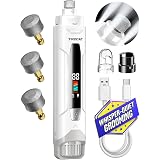
Whisper-Quiet Dog Nail Grinder, 50% More Powerful 6-Speed Pet Nail Trimmer with LED Display & 4 LED Lights, 3 Grinding Bits, No Over-Cutting, Stress-Free Grooming for Dogs, Cats & All Sensitive Pets
$24.99 (as of 06/25/2026 06:45 GMT +00:00 - More infoProduct prices and availability are accurate as of the date/time indicated and are subject to change. Any price and availability information displayed on [relevant Amazon Site(s), as applicable] at the time of purchase will apply to the purchase of this product.)
LIANZIMAU 2CM Noise Reduction Padding Dog Ear Muffs Noise Protection Comfort Calming Hoodie for Fireworks Anxiety Adjustable Dog Ear Covers for Grooming with Elastic Eye Strap Polyester
(as of 06/25/2026 06:45 GMT +00:00 - More infoProduct prices and availability are accurate as of the date/time indicated and are subject to change. Any price and availability information displayed on [relevant Amazon Site(s), as applicable] at the time of purchase will apply to the purchase of this product.)
EHEYCIGA Orthopedic Dog Beds for Extra Large Dogs 44x32Inch, Waterproof Memory Foam XL Pet Bed with Sides, Non-Slip and Egg-Crate Foam Big Dog Couch Bed with Washable Removable Cover, Grey
$33.99 (as of 06/25/2026 06:45 GMT +00:00 - More infoProduct prices and availability are accurate as of the date/time indicated and are subject to change. Any price and availability information displayed on [relevant Amazon Site(s), as applicable] at the time of purchase will apply to the purchase of this product.)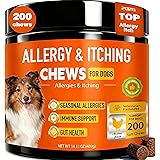
Dog Allergy Chews 200ct,Probiotics for Dogs Itching Skin Relief for Skin and Paw Licking, Dogs is Human Multivitamin Itch Relief for Seasonal Allergies-Support a Healthy lmmune System Chicken Flavor
$23.66 (as of 06/25/2026 06:45 GMT +00:00 - More infoProduct prices and availability are accurate as of the date/time indicated and are subject to change. Any price and availability information displayed on [relevant Amazon Site(s), as applicable] at the time of purchase will apply to the purchase of this product.)
rabbitgoo Dog Harness No Pull with 2 Leash Clips, Adjustable Soft Padded, Reflective Oxford No Choke Pet Vest with Easy Control Handle for Large Dogs, Black, L
$15.17 (as of 06/25/2026 06:45 GMT +00:00 - More infoProduct prices and availability are accurate as of the date/time indicated and are subject to change. Any price and availability information displayed on [relevant Amazon Site(s), as applicable] at the time of purchase will apply to the purchase of this product.)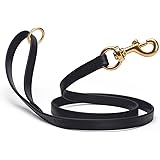
Viper Biothane K9 Working Dog Leash Waterproof Lead for Tracking Training Schutzhund Odor-Proof Long Line with Solid Brass Snap for Puppy Medium and Large Dogs 6ft, Black
$24.99 (as of 06/25/2026 06:45 GMT +00:00 - More infoProduct prices and availability are accurate as of the date/time indicated and are subject to change. Any price and availability information displayed on [relevant Amazon Site(s), as applicable] at the time of purchase will apply to the purchase of this product.)
Country Style Soccer Jersey Dog Bandana | Country & Flag| Soccer Jersey Style |100% Cotton Adjustable Triangle || 1840 (Colombia, One Size)
$15.99 (as of 06/25/2026 06:45 GMT +00:00 - More infoProduct prices and availability are accurate as of the date/time indicated and are subject to change. Any price and availability information displayed on [relevant Amazon Site(s), as applicable] at the time of purchase will apply to the purchase of this product.)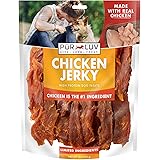
Pur Luv Chicken Jerky Dog Treats, Made with 100% Real Chicken Breast, 16 Ounces, Healthy, Easily Digestible, Long-Lasting, High Protein, Satisfies Dog's Urge to Chew
$14.09 (as of 06/25/2026 06:45 GMT +00:00 - More infoProduct prices and availability are accurate as of the date/time indicated and are subject to change. Any price and availability information displayed on [relevant Amazon Site(s), as applicable] at the time of purchase will apply to the purchase of this product.)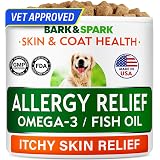
BARK&SPARK Dog Allergy Relief Soft Chews for Skin Health & Seasonal Allergies - Anti-Itch Supplement w/Omega-3, Quercetin & Bromelain Immune Treats for Dry Skin & Hot Spots - BBQ Chicken - 60ct
$9.99 (as of 06/25/2026 06:45 GMT +00:00 - More infoProduct prices and availability are accurate as of the date/time indicated and are subject to change. Any price and availability information displayed on [relevant Amazon Site(s), as applicable] at the time of purchase will apply to the purchase of this product.)Fresh pet food for cats is a growing trend among pet owners who want to provide their feline companions with a healthier and more natural diet. Unlike traditional processed cat food, fresh pet food is made from real, whole ingredients that are minimally processed and free from artificial additives and preservatives. This article will explore the benefits of feeding your cat fresh food, the nutritional needs of cats, the dangers of processed cat food, how to transition your cat to a fresh food diet, the best ingredients for a balanced cat diet, DIY fresh cat food recipes, the importance of variety in a cat’s diet, tips for storing and serving fresh cat food, and frequently asked questions about fresh pet food for cats.
Key Takeaways
- Fresh pet food for cats is a healthier alternative to processed cat food.
- Feeding your cat fresh food can improve their overall health and well-being.
- Understanding your cat’s nutritional needs is important for creating a balanced diet.
- Processed cat food can be dangerous due to additives and preservatives.
- Transitioning your cat to fresh food requires patience and a gradual approach.
The Benefits of Feeding Your Cat Fresh Food
Feeding your cat fresh food can have numerous benefits for their overall health and well-being. One of the main advantages is improved digestion. Fresh food is easier for cats to digest compared to processed food, which often contains fillers and artificial ingredients that can cause digestive issues such as diarrhea or constipation. By providing your cat with a diet that is rich in whole ingredients, you can help promote healthy digestion and reduce the risk of gastrointestinal problems.
In addition to improved digestion, feeding your cat fresh food can also lead to better overall health. Fresh food is packed with essential nutrients that are necessary for cats to thrive. These nutrients include high-quality protein, healthy fats, vitamins, and minerals. By providing your cat with a diet that is rich in these nutrients, you can help support their immune system, promote healthy organ function, and reduce the risk of chronic diseases such as obesity or diabetes.
Another benefit of feeding your cat fresh food is increased energy levels. Cats are natural carnivores and require a diet that is high in protein to meet their energy needs. Fresh food provides cats with a source of high-quality protein that is easily digestible and can help fuel their active lifestyles. By providing your cat with a diet that is rich in protein, you can help ensure that they have the energy they need to play, explore, and engage in their natural behaviors.
Furthermore, feeding your cat fresh food can also lead to a shiny coat and healthy skin. The nutrients found in fresh food, such as omega-3 fatty acids, can help promote healthy skin and a lustrous coat. These nutrients can also help reduce the risk of skin allergies or irritations that can cause itching or discomfort for your cat. By providing your cat with a diet that is rich in these essential nutrients, you can help keep their skin and coat looking and feeling their best.
Understanding Your Cat’s Nutritional Needs
To provide your cat with a balanced and nutritious diet, it is important to understand their specific nutritional needs. Cats are obligate carnivores, which means they require a diet that is high in animal protein to meet their nutritional needs. Protein is essential for cats as it provides them with the necessary amino acids for growth, repair, and maintenance of their body tissues. Without adequate protein in their diet, cats can develop muscle wasting, weakness, and other health issues.
In addition to protein, fat is also an important component of a cat’s diet. Fat provides cats with a concentrated source of energy and helps support the absorption of fat-soluble vitamins. It also plays a role in maintaining healthy skin and coat. However, it is important to note that not all fats are created equal. Cats require a balance of omega-3 and omega-6 fatty acids in their diet for optimal health. Omega-3 fatty acids are found in fish oil and can help reduce inflammation and support brain health, while omega-6 fatty acids are found in plant oils and can help support healthy skin and coat.
Vitamins and minerals are also essential for a cat’s overall health and well-being. These micronutrients play a role in various bodily functions, including immune function, bone health, and energy metabolism. Some important vitamins for cats include vitamin A, vitamin D, vitamin E, and the B vitamins. Important minerals for cats include calcium, phosphorus, magnesium, and potassium. It is important to provide your cat with a diet that is balanced in these essential vitamins and minerals to ensure their nutritional needs are met.
The Dangers of Processed Cat Food
| Category | Metric | Impact |
|---|---|---|
| Health | Obesity | Processed cat food can contain high levels of carbohydrates and calories, leading to weight gain and obesity in cats. |
| Health | Diabetes | Processed cat food can contain high levels of carbohydrates, which can lead to insulin resistance and diabetes in cats. |
| Health | Urinary tract problems | Processed cat food can contain high levels of minerals, which can lead to urinary tract problems in cats. |
| Environment | Carbon footprint | The production and transportation of processed cat food can contribute to greenhouse gas emissions and climate change. |
| Cost | Expensive | Processed cat food can be more expensive than homemade or natural cat food options. |
While processed cat food may be convenient and readily available, it can pose potential dangers to your cat’s health. One of the main risks associated with processed cat food is the presence of artificial preservatives and additives. These substances are often added to extend the shelf life of the food and enhance its flavor or appearance. However, many of these additives have been linked to various health problems in cats.
For example, some artificial preservatives such as BHA (butylated hydroxyanisole) and BHT (butylated hydroxytoluene) have been associated with an increased risk of cancer in cats. Other additives such as artificial colors or flavors can cause allergic reactions or digestive issues in some cats. Additionally, some processed cat foods may contain high levels of carbohydrates or fillers that can contribute to obesity or diabetes in cats.
Furthermore, a diet consisting solely of processed cat food may not provide all the necessary nutrients that cats need for optimal health. Many processed cat foods are formulated with a one-size-fits-all approach and may not take into account the specific nutritional needs of individual cats. This can lead to nutrient deficiencies or imbalances that can negatively impact your cat’s health over time.
How to Transition Your Cat to Fresh Food
Transitioning your cat to a fresh food diet can be a gradual process that requires patience and persistence. It is important to make the transition slowly to allow your cat’s digestive system to adjust to the new diet. Abruptly switching your cat’s food can cause digestive upset and may make it more difficult for them to accept the new food.
To start the transition, begin by mixing a small amount of fresh food with your cat’s current food. Gradually increase the proportion of fresh food over time while decreasing the amount of processed food. Monitor your cat’s appetite and digestion during the transition period. If your cat experiences any digestive issues or refuses to eat the new food, you may need to slow down the transition process and give them more time to adjust.
It is also important to note that some cats may be more resistant to change than others. If your cat is particularly finicky or has a sensitive stomach, you may need to experiment with different types of fresh food or consult with a veterinarian for guidance. They can provide recommendations based on your cat’s specific needs and help ensure a smooth transition to a fresh food diet.
The Best Ingredients for a Balanced Cat Diet
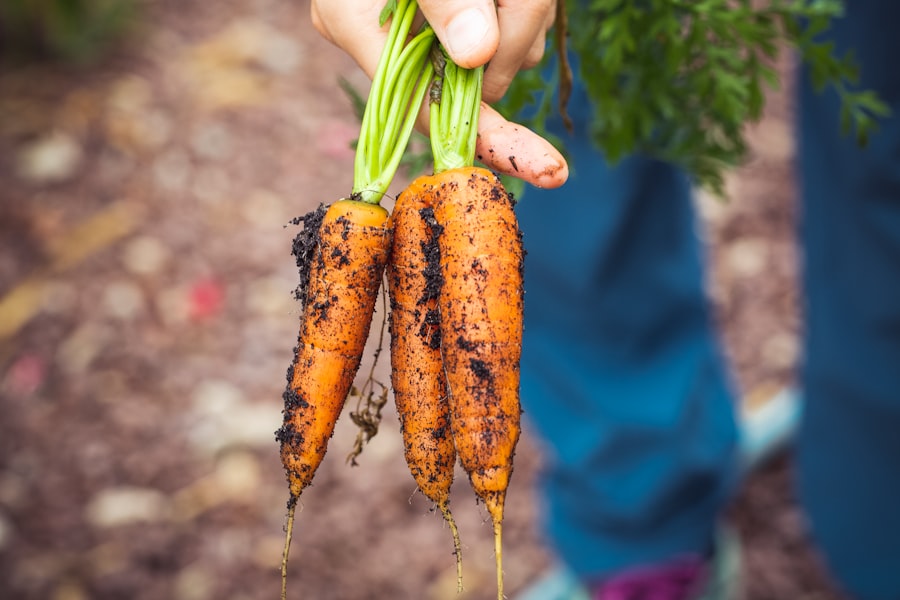
A balanced cat diet should consist of high-quality ingredients that provide all the necessary nutrients for optimal health. When selecting ingredients for your cat’s diet, it is important to choose those that are rich in protein, healthy fats, vitamins, and minerals.
Protein is the most important nutrient for cats and should make up a significant portion of their diet. Good sources of protein for cats include lean meats such as chicken, turkey, or beef, as well as fish such as salmon or tuna. It is important to choose high-quality protein sources that are free from antibiotics or hormones and are cooked thoroughly to ensure they are safe for consumption.
Healthy fats are also essential for a balanced cat diet. Cats require a balance of omega-3 and omega-6 fatty acids in their diet for optimal health. Good sources of omega-3 fatty acids include fish oil, while omega-6 fatty acids can be found in plant oils such as flaxseed oil or sunflower oil. It is important to provide your cat with a balance of these essential fatty acids to support their overall health and well-being.
In addition to protein and fat, cats also require a variety of vitamins and minerals to meet their nutritional needs. Some important vitamins for cats include vitamin A, vitamin D, vitamin E, and the B vitamins. Good sources of these vitamins include organ meats, eggs, and leafy green vegetables. Important minerals for cats include calcium, phosphorus, magnesium, and potassium. These minerals can be found in bone meal, fish, and vegetables.
DIY Fresh Cat Food Recipes
Making your own cat food can be a rewarding and cost-effective way to provide your cat with a fresh and nutritious diet. There are many easy and nutritious DIY cat food recipes that you can try at home. Here are a few examples:
1. Chicken and Vegetable Stew:
– Ingredients: boneless chicken breast, carrots, peas, sweet potatoes
– Instructions: Cook the chicken breast until fully cooked. Chop into small pieces. Steam or boil the carrots, peas, and sweet potatoes until tender. Mix all the ingredients together and serve.
2. Salmon and Brown Rice:
– Ingredients: canned salmon, cooked brown rice, spinach
– Instructions: Drain the canned salmon and mix it with cooked brown rice. Steam or sauté the spinach until wilted. Mix all the ingredients together and serve.
3. Turkey Meatballs:
– Ingredients: ground turkey, eggs, oats, pumpkin puree
– Instructions: Mix ground turkey with eggs, oats, and pumpkin puree. Form into small meatballs and bake in the oven until fully cooked. Serve as a treat or mix with other ingredients for a complete meal.
These are just a few examples of DIY cat food recipes that you can try at home. It is important to consult with a veterinarian or a veterinary nutritionist to ensure that the recipes you choose provide all the necessary nutrients for your cat’s specific needs.
The Importance of Variety in Your Cat’s Diet
Variety is important in a cat’s diet to ensure they receive a wide range of nutrients and to prevent them from becoming bored with their food. Cats are known for being finicky eaters, and feeding them the same food day after day can lead to food aversions or a lack of interest in their meals.
By providing your cat with a variety of different proteins, such as chicken, beef, fish, or turkey, you can ensure they receive a wide range of essential amino acids. Additionally, rotating different protein sources can help reduce the risk of developing food allergies or sensitivities.
It is also important to vary the types of fruits and vegetables you include in your cat’s diet. Different fruits and vegetables provide different vitamins and minerals, so by offering a variety, you can help ensure your cat receives a balanced diet. Some safe fruits and vegetables for cats include blueberries, pumpkin, spinach, and carrots.
Tips for Storing and Serving Fresh Cat Food
Proper storage and serving of fresh cat food are essential to maintain its freshness and prevent the growth of harmful bacteria. Here are some tips to keep in mind:
– Store fresh cat food in an airtight container in the refrigerator to keep it fresh for longer. Avoid storing it for more than three to four days to minimize the risk of bacterial growth.
– Thaw frozen fresh cat food in the refrigerator overnight before serving. Avoid thawing it at room temperature as this can promote bacterial growth.
– Serve fresh cat food at room temperature to enhance its aroma and appeal to your cat’s senses.
– Use clean utensils and bowls when serving fresh cat food to prevent contamination.
– Follow proper portion sizes recommended by your veterinarian to ensure your cat receives the right amount of food for their size and activity level.
Improper storage and serving of fresh cat food can increase the risk of bacterial contamination and foodborne illnesses. It is important to follow these tips to ensure the safety and quality of the food you provide to your cat.
Frequently Asked Questions about Fresh Pet Food for Cats
1. Is fresh pet food better than processed cat food?
Fresh pet food is generally considered to be a healthier option compared to processed cat food. Fresh pet food is made from real, whole ingredients that are minimally processed and free from artificial additives and preservatives. It provides cats with a diet that is closer to their natural diet as obligate carnivores.
2. Are there any risks associated with feeding cats fresh pet food?
While fresh pet food can provide numerous benefits for cats, there are some potential risks to be aware of. One risk is the potential for bacterial contamination if the food is not stored or handled properly. It is important to follow proper storage and serving guidelines to minimize this risk. Additionally, it is important to ensure that the fresh pet food you provide meets all of your cat’s nutritional needs. Consulting with a veterinarian or a veterinary nutritionist can help ensure that your cat’s diet is balanced and complete.
3. Should I consult with a veterinarian before switching my cat to a fresh food diet?
Yes, it is always recommended to consult with a veterinarian before making any changes to your cat’s diet. A veterinarian can provide guidance on the specific nutritional needs of your cat and help you create a balanced and nutritious diet plan. They can also address any concerns or questions you may have about transitioning your cat to a fresh food diet.
Feeding your cat fresh pet food can have numerous benefits for their overall health and well-being. Fresh pet food is made from real, whole ingredients that are minimally processed and free from artificial additives and preservatives. It provides cats with a diet that is closer to their natural diet as obligate carnivores.
By feeding your cat fresh food, you can improve their digestion, promote better overall health, increase their energy levels, and enhance the appearance of their coat and skin. It is important to understand your cat’s specific nutritional needs and provide them with a balanced diet that includes high-quality protein, healthy fats, vitamins, and minerals.
Transitioning your cat to a fresh food diet should be done gradually to allow their digestive system to adjust. There are many DIY fresh cat food recipes that you can try at home, but it is important to consult with a veterinarian or a veterinary nutritionist to ensure that the recipes you choose provide all the necessary nutrients for your cat’s specific needs.
Variety is important in a cat’s diet to ensure they receive a wide range of nutrients and to prevent them from becoming bored with their food. Proper storage and serving of fresh cat food are essential to maintain its freshness and prevent the growth of harmful bacteria. It is important to follow proper storage and serving guidelines to ensure the safety and quality of the food you provide to your cat.
Overall, providing your cat with a balanced and nutritious diet is essential for their health and well-being. Fresh pet food can be a great option for cats as it provides them with the essential nutrients they need in a natural and minimally processed form. By making the switch to fresh pet food, you can help ensure that your cat lives a long, healthy, and happy life.
FAQs
What is fresh pet cat food?
Fresh pet cat food is a type of cat food that is made with fresh, whole food ingredients. It is minimally processed and does not contain any artificial preservatives, colors, or flavors.
What are the benefits of feeding my cat fresh pet food?
Feeding your cat fresh pet food can provide a number of benefits, including improved digestion, increased energy levels, healthier skin and coat, and better overall health. Fresh pet food is also more palatable for cats, which can encourage them to eat more and maintain a healthy weight.
What types of ingredients are typically used in fresh pet cat food?
Fresh pet cat food is typically made with high-quality, whole food ingredients such as meat, fish, vegetables, and fruits. These ingredients are often sourced locally and are minimally processed to retain their nutritional value.
Is fresh pet cat food more expensive than traditional cat food?
Fresh pet cat food can be more expensive than traditional cat food, but the cost can vary depending on the brand and the specific ingredients used. However, many pet owners find that the health benefits of feeding their cat fresh pet food outweigh the cost.
Can I make my own fresh pet cat food at home?
Yes, it is possible to make your own fresh pet cat food at home using whole food ingredients. However, it is important to ensure that the recipe is nutritionally balanced and meets your cat’s specific dietary needs. Consult with a veterinarian or animal nutritionist before making your own cat food at home.
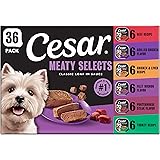
Cesar Wet Dog Food Classic Loaf in Sauce Grilled Chicken, Filet Mignon, Porterhouse Steak, Beef, Chicken & Liver and Turkey Variety Pack 3.5 oz. Easy Peel Trays (36 Count, Pack of 1)
$35.94 (as of 06/25/2026 06:45 GMT +00:00 - More infoProduct prices and availability are accurate as of the date/time indicated and are subject to change. Any price and availability information displayed on [relevant Amazon Site(s), as applicable] at the time of purchase will apply to the purchase of this product.)
Regalo Safety 29-38.5" Baby Gate for Doorways & Bottom of Stairs, Pressure Mounted Baby Gate with Door for Babies, Toddlers & Pets, Tested & Safe for 30 Years, American Designed, American Owned, White
$38.69 (as of 06/25/2026 06:45 GMT +00:00 - More infoProduct prices and availability are accurate as of the date/time indicated and are subject to change. Any price and availability information displayed on [relevant Amazon Site(s), as applicable] at the time of purchase will apply to the purchase of this product.)
N-Bone Puppy Teething Ring Chicken Flavor (1 Pack Of 6 Rings) (113048)
$8.50 (as of 06/25/2026 06:45 GMT +00:00 - More infoProduct prices and availability are accurate as of the date/time indicated and are subject to change. Any price and availability information displayed on [relevant Amazon Site(s), as applicable] at the time of purchase will apply to the purchase of this product.)
Blue Buffalo Life Protection Formula Chicken & Brown Rice Adult Dry Dog Food, Supports Immunity with Antioxidant-Rich LifeSource Bits, Promotes Healthy Muscle Development, Skin & Coat Health, 5 lbs.
$14.97 (as of 06/25/2026 06:45 GMT +00:00 - More infoProduct prices and availability are accurate as of the date/time indicated and are subject to change. Any price and availability information displayed on [relevant Amazon Site(s), as applicable] at the time of purchase will apply to the purchase of this product.)
Muddy Mat® | Super Water Absorbent Door Mat Indoor, Microfiber Quick Dry Chenille Entryway Rug, Non-Slip Front Door Mat, Indoor Mats for Entryway, Machine Washable Pet Rug, Grey 30"x19"
$18.95 (as of 06/25/2026 06:45 GMT +00:00 - More infoProduct prices and availability are accurate as of the date/time indicated and are subject to change. Any price and availability information displayed on [relevant Amazon Site(s), as applicable] at the time of purchase will apply to the purchase of this product.)
Greenies Veterinarian-Recommended Adult Natural Dental Dog Treats Teenie Size, Dog Dental Chews, Original Flavor, 36 oz. Pack, 130 Count
$28.64 (as of 06/25/2026 06:45 GMT +00:00 - More infoProduct prices and availability are accurate as of the date/time indicated and are subject to change. Any price and availability information displayed on [relevant Amazon Site(s), as applicable] at the time of purchase will apply to the purchase of this product.)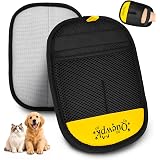
Quewpk Pet Hair Removal Glove for Dogs & Cats, Reusable Electrostatic Pet Hair Remover for Couch, Carpet, Clothing & Car Seats, Washable Fur Remover Glove for Laundry, Furniture & Pet Bed
$14.99 (as of 06/25/2026 06:45 GMT +00:00 - More infoProduct prices and availability are accurate as of the date/time indicated and are subject to change. Any price and availability information displayed on [relevant Amazon Site(s), as applicable] at the time of purchase will apply to the purchase of this product.)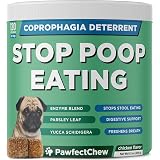
PAWFECTCHEW Coprophagia Deterrent for Dogs & Breath Aid Support - No Poo Chews for Dogs w/Probiotics, Digestive Enzymes Stop Dog Poop Eating - Stool Eating Deterrent - Made in USA
$9.97 (as of 06/25/2026 06:45 GMT +00:00 - More infoProduct prices and availability are accurate as of the date/time indicated and are subject to change. Any price and availability information displayed on [relevant Amazon Site(s), as applicable] at the time of purchase will apply to the purchase of this product.)